
The best 3.5mm microphone depends on where you plan to use it: the Sony ECMLV1 is designed for clipped-on stereo pickup, the Futheda mini mic is a compact plug-in option, and the FingerLakes and SEYUGOPTI models are intended for car stereo microphone inputs. Before buying, check whether your device needs a stereo or mono microphone and whether its input is 3.5mm or 2.5mm.
| Product | Best for | Key feature |
|---|---|---|
| Sony ECMLV1 | Clipped-on stereo recording | Omnidirectional pickup and rotating clip |
| Futheda Mini Microphone | Compact, direct plug-in use | Small, battery-free design |
| FingerLakes FL11 | Car hands-free communication | Three-meter cable and clip |
| SEYUGOPTI External Car Mic | Car stereos with different input sizes | 3.5mm plug and 2.5mm adapter |
| FingerLakes Car Mic Assembly | Car radios with a 3.5mm mic input | Electret condenser cartridge |
Sony ECMLV1 Compact Stereo Lavalier Microphone

The Sony ECMLV1 is the clearest fit among these options for buyers seeking a small, clip-on microphone with stereo pickup. Its omnidirectional design is intended to capture sound from multiple directions, while the 360-degree rotating clip allows the user to adjust the attachment angle.
- Best for: Buyers who want a compact lavalier-style microphone and stereo sound pickup.
- Why it was selected: The listing specifically identifies stereo pickup, an included wind-screen, and an adjustable clip.
- Useful detail: The included wind-screen is designed to reduce wind noise.
Choose this if the rotating clip and stereo pickup suit your recording setup. The listed features do not specify the microphone’s device compatibility or connector wiring, so confirm both with your recording device before purchase. Avoid assuming that a 3.5mm plug alone guarantees compatibility with every phone, camera, or computer.
Futheda 3.5mm Mini 3-Pole Microphone

This Futheda microphone is a compact option for buyers who want a small microphone that plugs directly into a compatible device. The listing describes it as a 3.5mm, 3-pole stereo microphone. It is battery-free and is intended for plug-and-play use, which avoids the need to manage a separate microphone battery.
- Best for: Buyers who prioritize a small, portable microphone for a device with a compatible 3.5mm input.
- Why it was selected: Its listed 3-pole stereo design makes it a relevant choice for a search specifically about 3.5mm stereo microphones.
- Useful detail: The listing describes high sensitivity and interference resistance.
Choose this if you need a pocket-sized, battery-free design rather than a cable-mounted lavalier or car microphone. The listing names phones, tablets, PCs, and laptops, but connector requirements can differ among devices. Confirm that your device accepts this microphone’s 3-pole connection; a 3.5mm socket may serve a different purpose or use different wiring.
FingerLakes FL11 Car Microphone
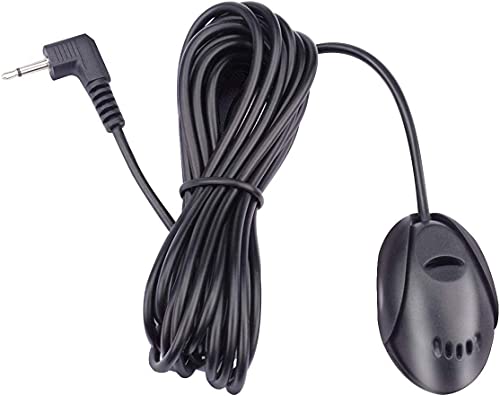
The FingerLakes FL11 is a car-focused microphone for a compatible head unit with a 3.5mm microphone input. Its three-meter cable gives more placement flexibility than a short, direct-plug microphone, and the microphone can be removed from its clip to adjust its position.
- Best for: Drivers replacing or adding a microphone for a compatible car hands-free system.
- Why it was selected: The listing identifies a standard 3.5mm plug, a long cable, a clip, and an electret condenser cartridge.
- Useful detail: The stated omnidirectional design is intended to pick up speech from different directions.
Choose this if cable reach and repositioning are important for your installation. The listed features describe a 3.5mm plug but do not include a 2.5mm adapter. Avoid this model if your head unit requires a 2.5mm connection unless you have confirmed a suitable adapter separately. Verify the head unit’s microphone input before ordering.
SEYUGOPTI External Car Microphone

The SEYUGOPTI is a practical choice to consider when a car stereo’s microphone connection may require either a 3.5mm or 2.5mm interface. The listing includes a 3.5mm female-to-2.5mm male adapter and describes a three-meter cable, an omnidirectional condenser microphone, and compatibility with several named receiver brands.
- Best for: Buyers replacing a car microphone who need the included 2.5mm adapter option.
- Why it was selected: Its adapter and long cable address two common installation questions: connector size and microphone placement.
- Useful detail: The product listing names Pioneer, Kenwood, JVC, Jensen, Alpine, and other receiver brands.
Choose this if your receiver’s input matches the supplied connection or adapter and you need a longer cable for routing. The listing’s brand and model examples should not be treated as a guarantee for every receiver in those product families. Check the exact head-unit input and model before buying. The microphone is described as mono omnidirectional, not stereo.
FingerLakes 3.5mm Car Microphone Assembly
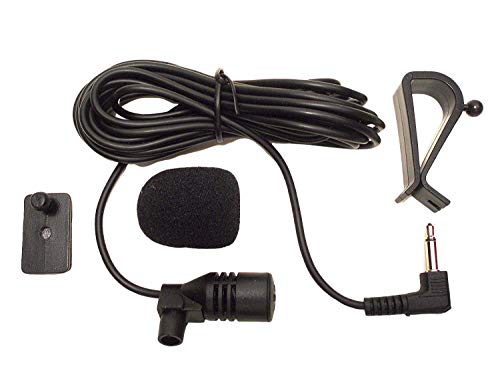
This FingerLakes microphone is an aftermarket car option for radios with a 3.5mm microphone input. Its listed features include an electret condenser cartridge, high sensitivity, low impedance, and resistance to noise and interference. The listing also says it is intended to work with most car radios that have a 3.5mm mic input.
- Best for: Buyers seeking a replacement microphone for a car radio with a confirmed 3.5mm mic input.
- Why it was selected: It is specifically described as a car head-unit microphone and directly matches the 3.5mm connector search.
- Useful detail: The product description emphasizes clear, stable voice transmission while driving.
Choose this if your car stereo has the required microphone input and you want a straightforward aftermarket assembly. The listing does not state a cable length or include an adapter in the supplied features. Avoid relying on the broad “most car radios” wording without checking your exact receiver’s connector and microphone requirements.
Buying Guide: How to Choose a 3.5mm Microphone
Do you need stereo or mono sound?
Start by checking whether stereo capture is essential. A stereo microphone is designed to record sound across two audio channels, while a mono microphone provides a single-channel signal. The Sony ECMLV1 is listed as an omnidirectional stereo microphone, and the Futheda is identified as a 3-pole stereo microphone. The car models in this selection are described as mono or omnidirectional car microphones, so they are aimed at hands-free vehicle use rather than stereo recording.
Do not infer stereo capability from the 3.5mm plug alone. Connector size describes the physical plug, not necessarily the number of audio channels, wiring arrangement, or the device’s input requirements. Look for explicit stereo language in the product description and verify the input type of your recording equipment.
Will a 3.5mm microphone work with your device?
Check the device manual or specifications for a dedicated microphone input and the supported connector type. Some 3.5mm ports combine headphone and microphone functions, while others are output-only or use wiring that may not match a particular microphone. A plug that fits physically may still fail to deliver the expected audio.
For car installations, identify the head unit’s microphone socket rather than relying only on the stereo brand. The SEYUGOPTI listing includes a 2.5mm adapter; the FingerLakes FL11 listing specifies a standard 3.5mm plug. If your receiver uses a different connection, confirm that the microphone and any adapter support that exact input.
How much cable length do you need?
A compact plug-in microphone can reduce cable clutter, but it offers fewer placement options. A cable-mounted car microphone can be positioned closer to the driver or routed toward a preferred mounting location. The FingerLakes FL11 and SEYUGOPTI listings specify three-meter cables, which may help with longer routing paths.
Measure the route from the receiver to the intended microphone location before choosing. Account for the path around panels and trim rather than measuring only the straight-line distance. A longer cable can help with placement, but it also requires planning how to keep the cable routed neatly and safely.
What microphone pickup pattern suits your use?
An omnidirectional microphone is designed to pick up sound from multiple directions. That can be useful when the wearer or speaker moves relative to the microphone, but it may also capture surrounding sound. A clip-on microphone can keep the capsule near the speaker; a vehicle microphone can be mounted at a convenient position for hands-free calls.
Consider where the microphone will sit and what sounds are nearby. The Sony listing includes a wind-screen intended to reduce wind noise. The car microphone listings mention noise or interference resistance, but these descriptions do not establish that all road, cabin, or background noise will be removed.
Which microphone is best for car hands-free use?
For a car, choose a model described for head units and match its connector to the receiver. The FingerLakes FL11 is a 3.5mm option with a three-meter cable and clip. The SEYUGOPTI offers a 3.5mm connection with a listed 2.5mm adapter. The other FingerLakes assembly is another option when the car radio has a confirmed 3.5mm microphone input.
These car models should not be confused with general-purpose stereo recording microphones. The listings describe them for vehicle head units and hands-free communication. Check the exact receiver model and input before selecting one, especially if the manufacturer’s documentation specifies a proprietary microphone or adapter.
What should you verify before ordering?
- Connector: Confirm the device accepts a microphone input in the listed size, such as 3.5mm or 2.5mm.
- Channel format: Check whether you need stereo or mono audio; do not assume all 3.5mm microphones are stereo.
- Device support: Verify compatibility with the exact phone, computer, camera, or car head unit.
- Placement: Compare a direct-plug design with a clip-on microphone or a model with a longer cable.
- Included accessories: Confirm whether the package includes the adapter, clip, or wind-screen you need.
- Installation: For car microphones, plan the cable route and mounting location before installation.
Frequently Asked Questions
Does every 3.5mm microphone record in stereo?
No. A 3.5mm plug does not guarantee stereo recording. Check the product description for an explicit stereo designation and confirm that your device supports the microphone’s connector wiring.
Is the Sony ECMLV1 a car microphone?
The listed product is a compact stereo lavalier microphone with an omnidirectional pickup pattern, a wind-screen, and a rotating clip. Its provided features do not identify it as a car head-unit microphone.
Can a 3.5mm car microphone fit a 2.5mm input?
Not directly unless the connector or an appropriate adapter supports the connection. The SEYUGOPTI listing includes a 3.5mm female-to-2.5mm male adapter. Check the receiver’s socket and the adapter’s direction before ordering.
What is the difference between a lavalier and a car microphone?
A lavalier is a small microphone designed to attach to clothing or another nearby surface. A car microphone is intended to connect to a compatible vehicle head unit for hands-free communication. Their connectors and wiring may differ even when both use a 3.5mm plug.
Does plug-and-play mean a microphone works with every device?
No. Plug-and-play describes setup but does not guarantee universal compatibility. The device still needs a microphone input that supports the microphone’s connector and wiring.
Should I choose an omnidirectional microphone?
Choose an omnidirectional model if you want pickup from multiple directions, as described for several products here. If you need to limit surrounding sound, check the microphone’s pickup design and intended placement before buying; omnidirectional pickup does not mean background noise is eliminated.