Best 6.5 Mid Bass Speaker for Clear Midrange and Dynamic Car Audio
Car audio enthusiasts seek mid-bass clarity, high efficiency, and reliable power handling. The following 6.5-inch mid-bass options are designed to deliver strong vocal presence, accurate instrumentals, and robust performance across a wide frequency range. This guide highlights five top performers, with a quick comparison and practical buying tips to help you choose the right match for your vehicle and listening preferences.
| Product | Brand | Impedance | Max Power | RMS Power | Voice Coil |
|---|---|---|---|---|---|
| Skar Audio FSX65-4 | Skar Audio | 4 Ohm | 300 Watts | 150 Watts | 1.5″ Ferrite |
| ORION CM654 | ORION | 4 Ohm | 1000 Watts | 250 Watts | 1.5″ |
| DS18 PRO-GM6 | DS18 | 8 Ohm | 480 Watts | 140 Watts | 1.5″ Kapton |
| ORION XTX654 | ORION | 4 Ohm | 1400 Watts | 350 Watts | 1.5″ |
| ORION XTRPRO XPM654MBF | ORION | 4 Ohm | 1600 Watts | 400 Watts | 2″ |
Below you’ll find five carefully chosen 6.5-inch mid-bass models. Each entry includes a brief technical snapshot, notable strengths, and practical use cases to help you compare standout options without needing to dig through multiple product pages.
Skar Audio FSX65-4 6.5″ Midrange Speaker
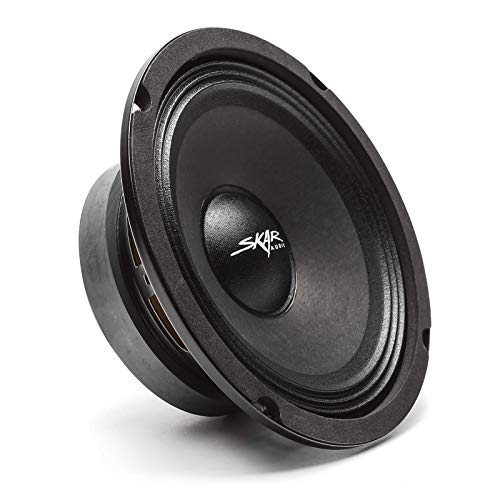
The Skar FSX65-4 is a 6.5-inch midrange speaker rated at 300 Watts max with 150 Watts RMS. It uses a 1.5-inch voice coil and ferrite magnet construction for solid power handling in compact installations. With a 4-ohm impedance, this model is well-suited for front-stage or component setups where space is limited and a punchy midrange partner is desired to complement a separate high- and low-frequency system. Its ferrite magnet design favors affordability and broad compatibility across various head units and amplifiers.
ORION Cobalt CM654 High Efficiency Midrange

The CM654 delivers balanced sound with a wide frequency range and 1000 Watts max power, 250 Watts RMS. Its 1.5-inch voice coil and 96.67 dB efficiency support clear, dynamic midrange performance with relatively efficient power usage. This pair-rated speaker is designed for car audio systems that demand robust midrange clarity without excessive distortion at higher volumes. The CM654’s construction emphasizes durability for daily driving and long listening sessions.
DS18 PRO-GM6 6.5″ Midrange
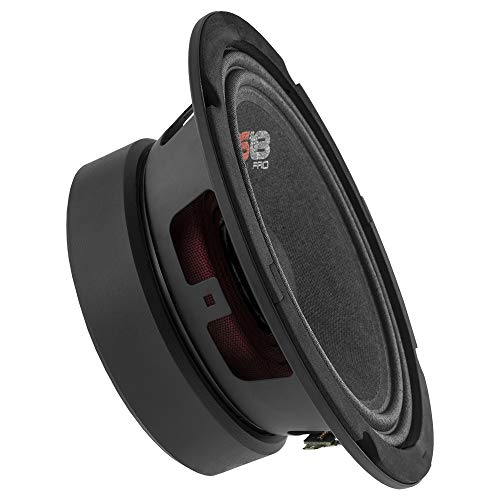
The DS18 PRO-GM6 midrange handles demanding applications with 480 Watts max power and 140 Watts RMS at 8 Ohms. Its 1.5-inch high-temperature Kapton voice coil supports reliability under heat and high excursion. This model is appropriate for door panels or rear decks where midrange clarity matters for vocals and instrumentals, delivering detailed presence across the midrange spectrum while maintaining steady performance in less-than-ideal listening environments.
ORION XTX654 High Efficiency Midrange

The ORION XTX654 offers 1400 Watts max power and 350 Watts RMS with a 1.5-inch high-temperature voice coil. It delivers a refined midrange response with a high efficiency of 97 dB, designed for clear vocal articulation and instrument detail. The compact 6.5-inch format fits into many budget-friendly upgrades while maintaining strong performance for daily driving and weekend enthusiast setups alike.
ORION XTRPRO XPM654MBF High Performance Mid-Bass

The XTRPRO XPM654MBF is a high-performance mid-bass pair with 1600 Watts max and 400 Watts RMS, a 2-inch voice coil, and 54 Oz magnet structure. Its 99.3 dB efficiency and robust build emphasize loud, accurate mid-bass delivery with strong control at higher volumes. This model suits enhanced system designs where mid-bass impact and tightness are prioritized, such as in competition-inspired installs or full-range upgrades that demand precise midrange depth.
Buying Guide
Key purchase considerations help match a 6.5-inch mid-bass to your vehicle and listening goals. Here are practical angles to review:
- Power handling: Compare RMS power ratings to your amplifier’s output. Higher RMS with stable heat management yields cleaner midrange at louder volumes.
- Impedance: Most 6.5-inch mid-bass speakers use 4 Ohms, which pairs well with common car amps. If your amp is 2 Ohms stable, you may gain louder output but must ensure tonality remains balanced.
- Voice coil and material: Larger or higher-temperature voice coils (e.g., 1.5″ and 2″) improve heat tolerance and excursion, aiding dynamic response in demanding tracks.
- Frequency range: Look for midrange speakers that extend well into the upper midrange to preserve vocal clarity and instrumental detail, especially when paired with a dedicated tweeter or full-range setup.
- Mounting depth and enclosure type: Slim or shallow baskets fit tight door cavities, while deeper baskets may improve coil cooling. Consider the mounting depth in your vehicle’s doors or panels.
- Durability and weather resistance: If the installation area is exposed to the elements, consider models with rugged cones and protective surrounds to resist wear and moisture.
- System integration: Decide whether the mid-bass will serve as a primary midrange, a step alongside a subwoofer, or part of a two-way or three-way component system. Matching crossovers and treble components is essential for coherent sound staging.
Choosing between the options often comes down to your priorities: higher max power and efficiency for louder, more dynamic playback (as seen in the Orion XTX654 and XTRPRO XPM654MBF), or balanced, versatile performance suitable for everyday listening (as with the Skar FSX65-4 and DS18 PRO-GM6). For door installations where space is limited, compact 1.5″ voice coils with reliable heat handling provide a strong foundation. If you want two-way separation with a robust midrange emphasis, a combination like a midrange with a complementary tweeter and appropriate crossovers can yield a coherent, detailed soundstage.
Across the reviewed models, design choices reflect a balance between price, power handling, and efficiency. When assessing a purchase, consider how the mid-bass will interact with your existing head unit, amplifier, and any other speakers in the system. Practical testing in your vehicle—listening to a mix of vocals, instruments, and dynamic tracks—will help confirm whether the midrange presence aligns with your listening preferences and room for wiring and mounting in your car.