
Best 8 Ohm Center Channel Speakers for Clear Dialogue and Home Theater
Answering the need for clear, centered dialogue in home theater setups, these 8 ohm center channel speakers are well-suited for standard AV receivers and most TV-focused audio tasks. The top picks below are chosen for vocal clarity, compatibility with common receivers, and balanced midrange performance. They cater to movie lovers, binge-watch enthusiasts, and music listeners who want crisp dialogue without sacrificing overall sound. The table highlights each option’s best-use scenario to help you decide quickly.
| Product | Best For |
|---|---|
| Polk Audio Blackstone TL1 Center Channel Speaker | TV dialogue, polished finish for living rooms |
| Saiyin 17″ Slim Center Channel Speaker | Compact, wall-mount versatility, strong vocal presence |
| Klipsch R-52C Center Channel Speaker | Powerful, dynamic center with wide sweet spot |
| Saiyin Center Channel Dual 4-Inch Woofers | Balanced, cinematic bass with clear highs |
| Micca MB42X-C Center Channel Speaker | Budget-friendly, compact, accurate imaging |
Polk Audio Blackstone TL1 Center Channel Speaker
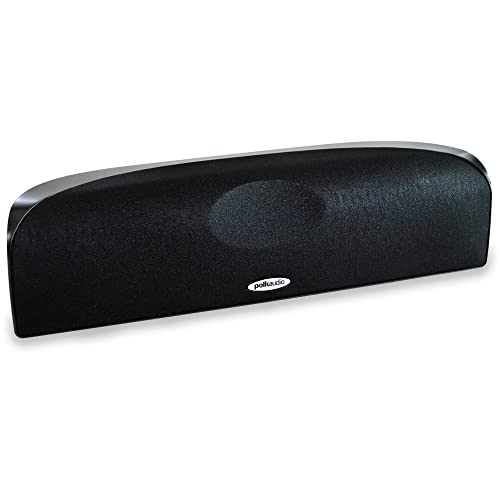
Best for TV-integrated setups where aesthetics matter. The TL1 uses a curved, high-gloss enclosure with a 1/2″ silk dome tweeter and dual 2-1/2″ mids/woofers for balanced midrange and clear vocal detail. Time Lens technology aims to align drivers for cohesive sound staging, improving dialogue clarity in movies and TV. Best for: small living rooms and flat-screen–friendly decor. Caution: not optimized for very large listening rooms where louder dialogue is needed.
Saiyin 17″ Slim Center Channel Speaker

Best for compact rooms needing strong vocal clarity with flexible placement. This center features two 3.5″ woofers and a horn tweeter to deliver crisp highs and a robust low end. The slim profile supports wall mounting or shelf placement, making it versatile for various room layouts. Caution: higher sensitivity to amplifier power in very small rooms may require careful gain matching.
Klipsch R-52C Center Channel Speaker
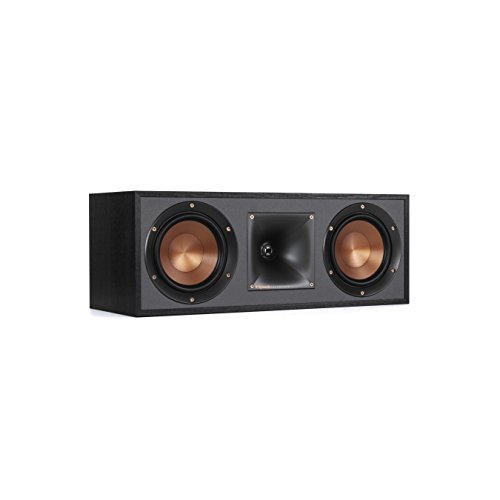
Best for dynamic cinema sound with a strong sense of direction. The R-52C uses dual 5.25″ spun-copper IMG woofers and a 1″ aluminum LTS tweeter with a 90×90 Tractrix horn to deliver a wide sweet spot and detailed highs. Best for: mid-to-large rooms where you want dialogue that cuts through action sounds. Caution: may require a larger cabinet footprint than some compact centers.
Saiyin Center Channel Speaker Dual 4-Inch Woofers

Best for balanced theater sound with a classic appearance. Its dual 4″ woofers provide a tight, powerful bass while the horn tweeter ensures clear highs for speech and effects. Best for: homes needing a visually understated center that still delivers solid dialogue. Limitation: the data notes specific amplifier requirements; check your AVR compatibility before purchase.
Micca MB42X-C Center Channel Speaker
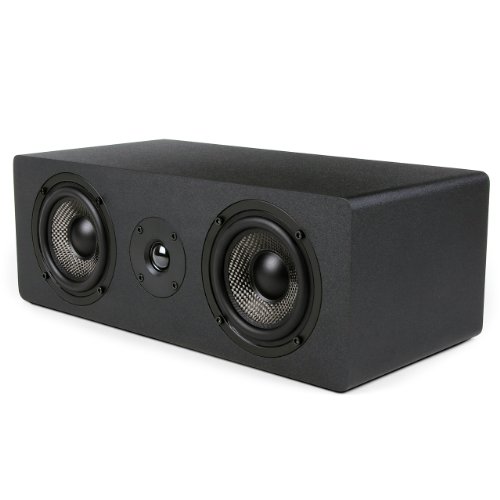
Best for budget-conscious setups needing accurate imaging. The MB42X-C uses a balanced woven carbon fiber woofer for impactful bass and a silk dome tweeter for smooth highs, with a ported enclosure to extend low-end response. Best for: first-time home theater builds or small apartments. Caution: may require careful placement to avoid bass booms in small rooms.
Buying Guide
What to consider when choosing an 8 ohm center channel speaker:
- Compatibility with your receiver: Ensure the center’s impedance and power handling align with your AVR’s specs. 8 ohms is a common standard and tends to work well with most receivers.
- Dialogue clarity vs. overall balance: Some centers emphasize vocal clarity at the expense of bass; others offer fuller bass. Match with room size and preferred listening level.
- Speaker size and placement: Slim or compact centers fit tighter spaces or shelf setups, while larger centers may deliver more robust bass in bigger rooms.
- Tweeter and horn design: Horn-loaded tweeters can improve dispersion and intelligibility in cold spots across seating positions.
- Finish and aesthetics: If the center sits on a cabinet or matches a flat-panel TV, a high-gloss or neutral finish can blend in better with decor.
Frequently Asked Questions
- What is an 8 ohm center channel speaker?
– It refers to the speaker’s impedance being around 8 ohms, a common value that works with many receivers and provides stable power handling for dialogue-focused soundbars and home theater setups. - Do I need a dedicated center channel?
– A center channel improves dialogue clarity and direct sound from the screen area, especially in multi-channel setups where background effects may overwhelm voices. - Can I use any center channel with my existing speakers?
– Yes, but ensure impedance and power ratings are compatible with your AV receiver to avoid distortion or overheating. - Is a larger center better for dialogue?
– Not always. Larger centers can deliver fuller bass but may not improve dialogue clarity if room acoustics or receiver settings aren’t optimized. - How should I place a center channel?
– Place it directly above or below the TV, centered to the screen, and at ear level for most seating. If seating is varied, aim for consistent horizontal alignment with the listener group.