Best 8 String Baritone Guitars: Top Picks for Extended Range Players
Answering the search for an 8 string baritone guitar means identifying instruments that extend the low end without sacrificing playability or tone. This guide highlights five strong options ideal for beginners exploring extended range, intermediate players building a heavier sound, or seasoned players seeking studio-friendly baritone flexibility. Each choice targets a distinct player type, from rhythm-focused ensembles to lead-focused metal work. Below, a quick summary table helps you compare core traits at a glance.
| Product | Best For | Low-Bend Range |
|---|---|---|
| BT-258E Deluxe (Guild) | Ensemble players seeking a lush, harp-like baritone | Extended low B |
| Ibanez RG8 | Metal players needing tight, high-output tones | Low B |
| Alvarez ABT60CE | Acoustic-electric baritone players | Baritone low B/A |
| Kala Solid Cedar Acacia Baritone 8-String | Folk/roots players exploring baritone textures | Low A/B |
| AKLOT XRN Multi-Scale 8-String (Roasted Maple) | Extreme low-end tones with fast playability | Low B |
BT-258E Deluxe 8-String Baritone
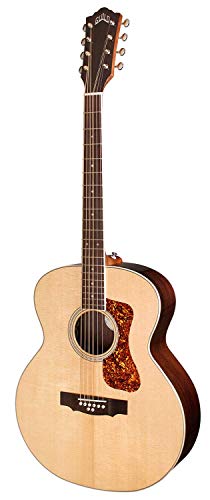
The BT-258E Deluxe 8-string Baritone from Guild delivers a deep, full-frequency voice with two octave strings for added sparkle. Its jumbo body and pressed back construction contribute to a sonorous low end, while the arched rosewood back helps project whole frequencies. Best for players who want a symphonic baritone that can be heard in a band setting or used for lush solo lines. Caution: as a larger instrument, it may feel unwieldy in small practice spaces or for players with a lighter playing style.
Ibanez RG8 – White

The Ibanez RG8 offers a solidbody 8-string design with a Meranti body and Jatoba fingerboard, paired with two humbuckers. It suits players chasing tight, aggressive low-end tones with reliable intonation and modern playability. Best for metal players or riff-driven genres who need a stable platform for extended-range tunings. Limitation: as a mid-range production model, some players may prefer higher-end hardware for extended-range setups.
Alvarez ABT60CE Artist Series 8-String Baritone Acoustic-electric

The Alvarez ABT60CE combines an 8-string baritone design with a spruce top and laurel fingerboard, offering a balanced acoustic-electric option. This choice benefits players seeking a studio-ready baritone with natural projection and onboard electronics for stage use. Best for players who want acoustic warmth with electronic versatility. Limitation: acoustic-electric models may not sustain as long as solid-body electrics in high-gain settings.
Kala Solid Cedar Acacia Baritone 8-String

The Kala Solid Cedar Acacia Baritone 8-String brings a cedar top paired with acacia back and sides for a distinct warmth with projection. This baritone instrument targets players who value a balanced, wood-rich voice suitable for fingerstyle and ensemble use. Useful for players exploring warm textures and lyric lines at lower tunings. Caution: acoustic guitar builds vary, so setup and neck relief can influence intonation on longer scale lengths.
AKLOT XRN Multi-Scale 8-String Electric (Roasted Maple)

The AKLOT XRN Multi-Scale 8-string electric guitar pushes modern metal design with a flat-C roasted maple neck and a 27″ scale length on the low end. It features a string-through body and flexible pickup options to handle deep chugs and articulate high-end leads. Best for players seeking aggressive tone with fast playability. Limitation: multi-scale builds can feel unfamiliar to players new to extended-scale guitars and may require adaptation time.
Buying Guide: Key Considerations for 8-String Baritone Guitars
What to evaluate when choosing an 8-string baritone
Scale length matters. Longer scales maintain string tension and intonation at lower tunings. Choose between 25.5″ to 27″ low-end scales depending on your preferred tension and feel. Body construction influences sustain and resonance; solid bodies generally offer more attack, while hollow or semi-hollow-like designs can deliver warmer textures.
Body and neck feel
Consider neck profile and fret access. Heavier necks can improve stability at low tunings, but may reduce speed for some players. Flat-C roasted maple craft often yields faster playability and precise action, especially in multi-scale designs.
Electronics and pickups
For electrics, humbuckers or dual-coil configurations provide ample headroom for downtuned tones. For acoustics, onboard preamps and pickup systems influence stage presence and feedback control. Ensure compatibility with your preferred amplification or PA setup.
Intonation and setup considerations
Extended-range guitars require precise setup to maintain intonation across the fretboard. Pay attention to truss rod relief, bridge saddles, and nut height, especially for lower tunings that increase tension on the neck.
Intended use and playing style
Rhythmic, riff-focused players may favor tighter feel and stable pickups. Lead players might prioritize string clarity and high-end articulation. Acoustic-electrics suit live performance, while solid-body electrics excel in high-gain environments.
FAQ
Q: What is the main difference between a baritone guitar and a standard 6-string guitar?
A: Baritone guitars extend the low range, usually with longer scale lengths and lower tunings, enabling deeper, heavier tones without sacrificing string tension and playability.
Q: Are 8-string baritone guitars good for beginners?
A: They can be, especially models with comfortable necks and manageable action. Beginners should start with proper setup and gradually explore extended ranges to avoid tension and fatigue.
Q: Do all 8-string baritone guitars require special amplifiers?
A: Not necessarily. Most can be amplified with standard guitar amps or audio interfaces, but certain models may benefit from preamps or DI boxes to optimize tone at lower tunings.
Q: Is multi-scale design essential for 8-string baritone guitars?
A: Not essential, but many players prefer multi-scale for improved tension balance across strings and easier playability in extended ranges.
Q: How important is wood choice for baritone guitars?
A: Wood affects tone, resonance, and sustain. Solid woods like spruce or cedar on top and rosewood or maple backings influence projection and timbre, which matters when tuning down.