
The best acoustic guitar stomp box depends on whether you want a physical foot drum, an electronic kick sample, or a guitar signal-control pedal. The Ortega ANNAlog is best for players seeking a passive, wood-housed kick sound; the Meinl digital pedal is better for a ready-made kick sample and amplifier or PA connection; and the Classic KSB319 is designed for a deep timber tone. The Caline CP-40 is a DI box, not a percussion stomp box, so it suits players who need signal and feedback control instead.
| Product | Best For | Sound or Function |
|---|---|---|
| Ortega ANNAlog | Passive acoustic foot percussion | Piezo-generated kick sound |
| Meinl Digital Stomp Box | Players wanting an electronic kick | One pre-programmed kick sample |
| Ortega ANNAlogX-SE Bundle | Players seeking a passive stomp box bundle | Piezo kick sound; no power supply needed |
| Classic KSB319 | Live performers wanting a timber tone | Compressed-air-activated pickup |
| Caline CP-40 DI-Box | Acoustic signal and feedback control | DI function with anti-feedback foot switch |
Ortega ANNAlog Analog Stomp Box

The Ortega ANNAlog is an analog stomp box with a built-in passive piezo pickup for a kick sound. Its solid cherry wood housing and ergonomic design make it a physical foot-percussion option for guitarists who want to add a bass-drum-like pulse while playing. The listed design aims to minimize surrounding noise while maximizing bass punch.
Best for: Singer-songwriters and acoustic guitar players looking for a straightforward, passive kick-style stomp sound. It is a strong match when the priority is foot-controlled percussion rather than a range of electronic samples.
Why it stands out: The built-in piezo, cherry wood housing, and ergonomic shape distinguish it from a digital pedal that plays a stored sound sample. Choose this if a physical stomp-box approach suits your playing setup.
Limitation: The provided product details do not list selectable sounds or tone controls. Avoid this if you need multiple percussion samples or detailed electronic sound shaping.
Meinl Digital Stomp Box

This digital stomp box is a hands-free electronic pedal that produces a pre-programmed kick drum sample when tapped with a foot. The large push button is described as highly reactive for playing in time. Its quarter-inch output jack sends the signal to an amplifier or PA system, and the listed uses include accompaniment with cajon, guitar, bass, and other instruments.
Best for: Players who want a consistent electronic kick sound and a direct output connection to amplification. It is better suited than a passive timber stomp box when a stored percussion sample is the desired sound.
Why it stands out: The product provides one defined sound effect, a kick drum, rather than relying on a physical wood tone. That makes its core function easy to compare with analog stomp boxes.
Limitation: It has a single pre-programmed percussion sample, so it is not the choice for players who want several onboard sounds. The listed details also state that the cable is not included.
Ortega ANNAlogX-SE Stomp Box Bundle

The Ortega ANNAlogX-SE is an analog percussion stomp box with a built-in piezo for kick sound. Its listed setup needs no battery or power supply, and the product information describes an input and output using only one channel. This bundle also includes two patch cables and six Dunlop picks.
Best for: Acoustic players who want a passive stomp-box format and value the included accessories. Choose this if avoiding a dedicated power supply is important and the bundle’s cables and picks are useful for your setup.
Why it stands out: Its stated power-free operation and one-channel input/output are useful points for comparing basic signal requirements. The built-in piezo keeps the focus on a kick-style percussion sound.
Limitation: The provided details do not specify multiple sounds, sound controls, or the materials of the housing. It may not suit players who need a choice of electronic percussion voices.
Classic KSB319 Acoustic Stompbox
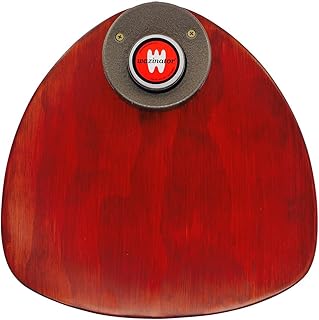
The Classic KSB319 is a foot drum designed to produce a deep timber tone that complements acoustic guitar. Its pickup is activated by compressed air when the timber pad is stomped. The product is described as suitable for live performance, with a large foot size intended for use while standing or sitting.
Best for: Performers seeking a physical foot percussion instrument with a timber-based tone. The large foot area may be relevant to players who need to operate the stomp box while seated or standing.
Why it stands out: Its compressed-air-activated pickup differs from the piezo-based Ortega options and from the Meinl’s electronic sample. It offers a distinctive mechanism and a stated focus on live performance.
Limitation: The listed information does not describe sound adjustment or selectable percussion sounds. Choose another option if you need multiple samples or specific electronic controls.
Caline CP-40 Acoustic DI Box

The Caline CP-40 is an acoustic guitar DI box, not a foot drum or percussion stomp box. Its listed features include true bypass and an anti-feedback foot switch. It is relevant to a stomp-box search for guitarists comparing foot-operated stage tools, but its stated purpose is signal handling and feedback control rather than adding a kick rhythm.
Best for: Acoustic guitar players who need a DI-style pedal and an anti-feedback foot switch. Consider it alongside a percussion stomp box if your stage setup calls for both guitar signal management and foot percussion.
Why it stands out: True bypass and the anti-feedback switch are the specific functions listed, making it a different category from the other four products. It is included to help buyers distinguish an acoustic DI pedal from a percussion device.
Limitation: The product information does not identify a percussion sound or kick-drum function. Avoid it if your main goal is to create a foot-played beat.
Buying Guide: How To Choose An Acoustic Guitar Stomp Box
Start by deciding whether you need percussion or guitar signal control. A percussion stomp box adds a rhythmic sound from foot movement. A DI box such as the Caline CP-40 serves a different role; its listed anti-feedback foot switch and true-bypass feature do not make it a kick drum pedal.
Do you want a physical tone or an electronic kick?
Analog and physical stomp boxes use a foot-operated surface or pickup to create a kick-style effect. The Ortega ANNAlog and ANNAlogX-SE list built-in passive piezo pickups, while the Classic KSB319 uses a pickup activated through compressed air when its timber pad is stomped. These are relevant choices when the character of a physical stomp box is a priority.
The Meinl digital pedal instead plays one pre-programmed kick drum sample. Choose it if you want that specific electronic sound and a quarter-inch output to an amplifier or PA. Its single-sample design is a clear trade-off: it provides a defined kick sound but does not offer a listed selection of other percussion samples.
Will you need power or extra equipment?
The ANNAlogX-SE is explicitly listed as requiring no battery or power supply. The Meinl has a quarter-inch output, but its cable is not included according to the product details. Check the connection requirements of any stomp box against the equipment you already use, and do not assume that cables, amplification, or other accessories are included unless the listing says so.
The ANNAlogX-SE bundle includes two patch cables and six picks. Those accessories may be useful, but they do not change the stomp box’s stated core function: producing a kick sound through a built-in piezo.
Which design fits your playing position?
Consider how the pedal will be operated during a song. The Classic KSB319 is described as having a large foot size for standing or sitting. The Ortega ANNAlog is described as ergonomic. These are the relevant supplied details for comparing physical operation; the available product information does not provide dimensions or weight for a direct size comparison.
Also consider how much rhythmic control you want. A simple foot-tapped kick can support a steady pulse while your hands play guitar, but the product descriptions do not specify adjustable sensitivity or detailed sound-shaping controls for these models. If those features matter, verify them in the current product information before buying.
How should you compare the short list?
| Need | Product Type To Consider | Key Trade-Off |
|---|---|---|
| Passive piezo kick sound | Ortega ANNAlog or ANNAlogX-SE | Listed details do not describe multiple sounds |
| One electronic kick sample | Meinl Digital Stomp Box | Only one pre-programmed sample is listed |
| Timber-based foot drum tone | Classic KSB319 | Sound adjustment details are not provided |
| Acoustic guitar feedback control | Caline CP-40 DI box | It is not a percussion stomp box |
Frequently Asked Questions
What does an acoustic guitar stomp box do?
A percussion stomp box lets a guitarist add a foot-controlled rhythmic sound while playing. Depending on the design, it may produce a physical kick-style tone or trigger an electronic sample.
Is a DI box the same as a stomp box for percussion?
No. A DI box is used for guitar signal handling, while a percussion stomp box creates a beat or kick sound. The Caline CP-40 is listed as an acoustic DI box with an anti-feedback foot switch, not as a percussion pedal.
Which option has a pre-programmed kick drum sound?
The Meinl Digital Stomp Box has one pre-programmed kick drum sample. It sends its signal through a quarter-inch output to an amplifier or PA system; the listed details say the cable is not included.
Which listed stomp box does not need a power supply?
The Ortega ANNAlogX-SE product details state that no battery or power supply is needed. It uses a built-in piezo for kick sound.
Can these products provide more than one percussion sound?
The supplied details identify one pre-programmed kick sample for the Meinl and do not list selectable sounds for the other percussion products. Buyers seeking multiple sounds should confirm that feature in the current product specifications before purchasing.