
Best Active Speakers With Subwoofer for Rich Home Audio
Looking for a complete, plug-and-play sound setup that combines active speakers with a built-in subwoofer? This guide highlights five solid options that suit different rooms and budgets. The selections favor clarity, deep bass, and easy integration with TVs, computers, or home theaters. Best for small spaces, mid-sized living rooms, or gaming setups, these picks balance performance and practicality for American households.
Summary of chosen products
- Edifier T5s Powered Subwoofer — Best for compact spaces and precise bass control.
- Edifier R1280DBs — Best for wireless versatility and simple TV/PC use.
- Polk Audio PSW10 — Best budget-friendly subwoofer with strong bass punch.
- Behringer EUROLIVE B1200D-PRO — Best for larger rooms and PA-style output.
- Sony SA-CS9M2 — Best for tight, controlled low end in compact setups.
Edifier T5s Powered Subwoofer — Deep Bass With 8″ Woofer
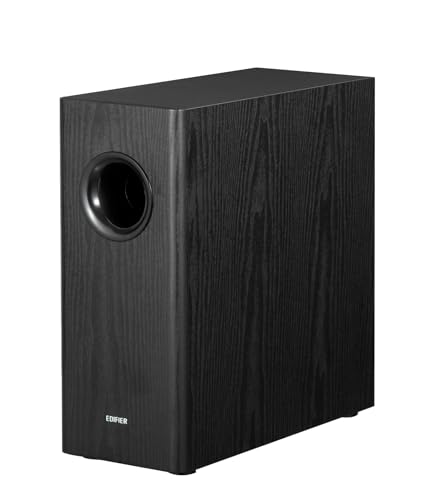
Best for bedrooms, desks, or small living rooms where space matters. The 8-inch woofer delivers deep 35 Hz bass and a 70W RMS Class-D amp for clean, punchy output. Low-pass filter adjustment (30 Hz–160 Hz) and a phase switch (0°/180°) ensure easy integration with existing active speakers, helping you tailor bass to your room and listening preferences.
Who it’s best for: users needing compact, controllable bass without sacrificing clarity. Why selected: precise filtering makes it easy to pair with a range of active speakers while maintaining a tight, deep low end. Caution: the compact cabinet may limit extremely large-room bass impact.
Edifier R1280DBs Active Bluetooth Bookshelf Speakers
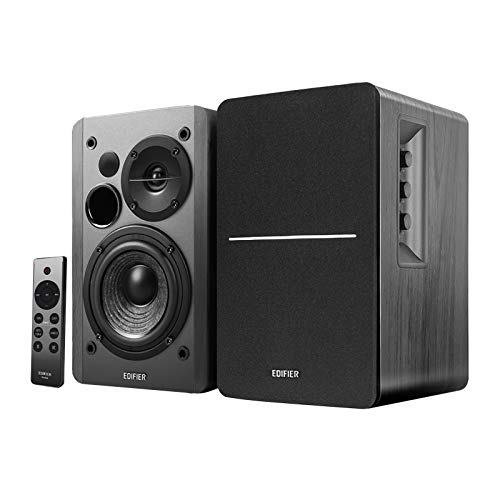
Best for wireless listening and TV/PC connections in a compact setup. These 42W continuous power speakers include Bluetooth 5.0, optical/coax inputs, and a built-in sub-out option for easy expansion. The 13mm silk dome tweeter and 4-inch sub-woofer deliver a balanced, distortion-free sound with optional Soundfield Spatializer for a wider soundstage.
Who it’s best for: streaming music lovers and casual home theater users who want wireless versatility. Why selected: seamless wireless connection plus flexible inputs. Caution: the built-in sub-out assumes you’re adding a separate sub; bass may feel light if used as a standalone pair without a sub.
Polk Audio PSW10 Subwoofer
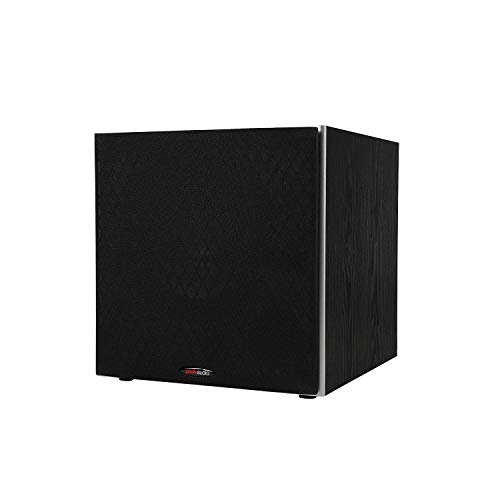
Best for budget-conscious buyers seeking noticeable bass without complexity. The 10-inch dynamic balance woofer and a built-in 50W RMS amp deliver robust low-end performance for small-to-mid-size rooms. A direct, punchy bass response pairs well with most shelf or floor-standing speakers, with minimal setup fuss.
Who it’s best for: cost-conscious listeners wanting solid bass. Why selected: strong bass at a modest price; caution: the 10-inch woofer may be less punchy in very large rooms without boundary reinforcement.
Behringer EUROLIVE B1200D-PRO Subwoofer

Best for larger rooms or party spaces needing substantial, room-shaking bass. This 500-watt active subwoofer offers built-in crossover and high-pass outputs, enabling a flexible setup with multiple main speakers. It’s a straightforward, robust option for DJs or home entertainment systems that require strong bass projection.
Who it’s best for: larger rooms or events where strong, reliable bass is essential. Why selected: the built-in crossover and outputs simplify complex plays; caution: heavier and less ideal for compact desks or small apartments.
Sony SA-CS9M2 Subwoofer
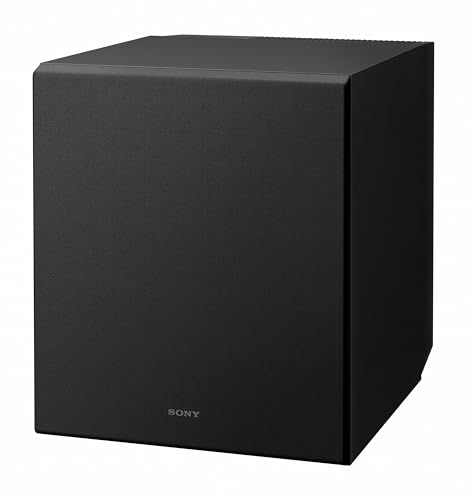
Best for compact spaces needing deeper bass emphasis without taking up too much room. The 10-inch active subwoofer features bass reflex ducts to reduce noise and improve low-frequency reproduction, delivering tight, powerful bass with less rumble. Ideal when paired with small-to-moderate main speakers for a fuller sound.
Who it’s best for: small living rooms or desks where a controlled, deep bass is desired. Why selected: designed for clean, non-fatiguing bass; caution: may not satisfy those seeking wall-rattering output in very large rooms.
Buying Guide: Key Considerations For Active Speakers With Subwoofers
- Room size and listening goals: Match subwoofer size and wattage to room volume and whether you want music or home theater emphasis.
- Integration with existing gear: Look for sub-out, line-level inputs, and adjustable crossovers to ensure smooth blending with your main speakers.
- Wired vs wireless: If you need minimal cabling, consider Bluetooth-enabled models and sub-out options for a clean setup. Wired connections reduce latency and potential dropouts.
- Controls and placement: Favor models with adjustable phase, low-pass filter, and volume controls. Placement can affect bass response; experiments near walls or corners can boost or muddy bass.
- Build and durability: MDF enclosures with rear-ported designs tend to reduce resonance and cabinet vibration, improving clarity at higher volumes.
- 用途 and user scenarios: For gaming or movies, prioritize bass extension and dynamic range. For music only, aim for honest, distortion-free mids and highs along with solid bass.
Frequently Asked Questions
- What is an active speaker with a subwoofer?
An active speaker system includes built-in amplification, and a subwoofer adds deep bass, delivering a complete, self-contained audio solution.
- Do I need a separate sub for bookshelf speakers?
Not always. If the bookshelf speakers are small, a subwoofer often provides significantly deeper bass for music and movies.
- How do I integrate a sub with my existing speakers?
Connect the sub’s line input to the main amplifier or receiver’s sub-out, adjust the crossover frequency, and balance bass with the main speakers.
- What should I consider when choosing a sub for a living room?
Consider room size, desired bass impact, speaker compatibility, and whether you prefer wireless control or hard-wired reliability.
- Is a larger woofer always better?
Not necessarily. Larger woofers extend lower frequencies but may require more space and careful placement for optimal response.
- Can multiple subs improve bass consistency?
Yes, using two subwoofers can create smoother bass across the room and reduce nulls, but requires careful placement and calibration.