
Best Amplifiers for Door Speakers and Tweeters: Top Multi-Channel Picks
Answer: For boosting door speakers and tweeters, choose a compact, reliable multi-channel amplifier with clean power, good thermal performance, and easy installation. This guide covers five solid options suited for front/rear door speakers and tweeters, plus setup tips. Best for enthusiasts who want clear highs, tight mids, and strong overall music reproduction without bulky rigs.
| Product | Power (approx.) | Best For |
|---|---|---|
| Taramps TS 400×4 | 400W RMS total | Full front/rear channels, demanding setups |
| Banda Audiopart BD-400.4 | 400W RMS total | Compact four-channel bridge-ready layouts |
| ARRAROWN ZK-1002T | 200W (100W×2) | Budget Bluetooth two-channel boost |
| CYDZSW CT-001 Tweeters | 120W Max per pair | High-frequency extension for door tweets |
| ORION CT-CK655 | 2-way 6.5” coax pair | Integrated speaker and tweeter upgrade |
Taramps TS 400×4 400W RMS 4-Channel Car Amplifier
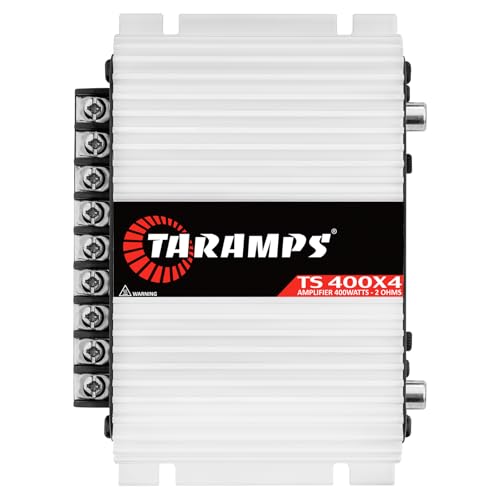
The Taramps TS 400×4 is a multi-channel Class D amplifier designed for four-channel setups, suitable for driving door speakers and tweeters with balanced power. It supports two bridged channels for flexibility in system configuration. Best for users seeking strong, clean output in a relatively compact chassis. Caution: Professional installation is strongly recommended to ensure proper setup and safety; improper installation may void the warranty.
Banda Audiopart BD-400.4 4-Channel Amplifier
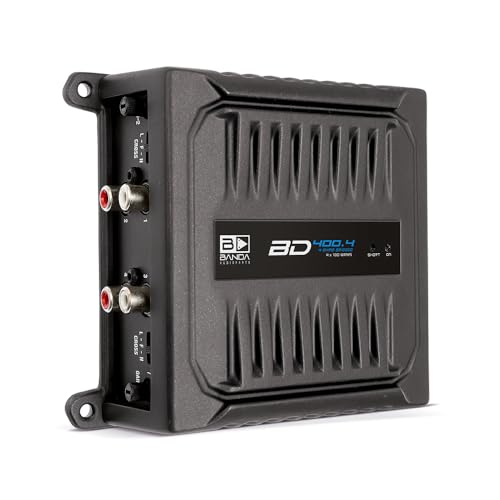
The Banda Audiopart BD-400.4 delivers 400W RMS across four channels, making it a compact solution for powering door speakers and tweeters in a full-range setup. It is a good pick for users needing a small-footprint amplifier that still provides robust output. Best for small to mid-size cars and installations where space is at a premium. Consider its compact dimensions when planning under-seat or trunk mounting.
ARRAROWN ZK-1002T Bluetooth 2.0 Channel Amp Board

The ARRAROWN ZK-1002T is a two-channel Bluetooth 5.0 amplifier board, offering a wireless option for adding amplifier power to a system. It features independent treble and bass adjustments and supports Bluetooth, USB, and AUX inputs. Best for hobbyists seeking easy integration with a wireless front-end for subwoofers or smaller speakers. Limitation: It’s a compact two-channel module; may require an additional amp for full four-channel door speaker setups.
Pyle Car Three Way Speaker System (G6.3) Pair

The Pyle three-way 6.5″ speakers are a full-range option that include a separate tweeter. They are designed to complement a door speaker and tweeter upgrade, delivering a balanced sound profile with a wide frequency response. Best for users who want a straightforward, mid-budget upgrade with a focus on clear highs and detailed mids. Limitation: They are speakers, not an amplifier; pairing with an appropriate amp is essential for full performance.
CYDZSW 1 Inch Tweeters for Car Audio (CT-001)

The CYDZSW CT-001 tweeters are designed to extend high-frequency response, with a nominal 120W max and 35W RMS per unit. They are suitable for upgrading door tweeters or as part of a two-way component system. Best for users seeking to improve highs without drastically altering the rest of the setup. Caution: Ensure the tweeters are powered within their recommended RMS ratings to avoid distortion or damage.
ORION Cobalt CT-CK655 6.5″ 4 Ohm 2-Way Kit

The ORION CT-CK655 kit provides a 6.5″ two-way coaxial approach with a dedicated tweeter, offering a simple upgrade path for car door speakers and highs. Best for those wanting a complete, ready-to-install speaker solution that pairs with an amp for improved dynamics and clarity. Limitation: This is a speaker kit, so it requires an amplifier and proper enclosure or mounting considerations.
Buying Guide
What should you check when buying an amp for door speakers and tweeters?
- Power needs: Match the RMS power to your door speakers and tweeters. Too little power can cause distortion; too much without proper gains can damage drivers.
- Channel count and flexibility: Four-channel amps work well for door speakers and tweeters; two-channel options can be bridged for subwoofers or added channels for a separate tweeter amp.
- Size and installation: Consider under-seat, trunk, or dashboard mounting space. Compact amps may fit better in tight cars but can require careful heat management.
- Signal quality and features: Look for Class D efficiency, good thermal performance, and features like bass/treble control or remote bass adaptation to tailor sound in different vehicles.
- Compatibility: Ensure wiring kits, RCA inputs, and impedance match your speakers (commonly 4-ohm in car audio).
- Bluetooth and inputs: If you want wireless control or streaming, Bluetooth-enabled amps offer convenience, though wired connections typically yield cleaner signal.
How to choose by use case
- Best for high-power front-end: TS 400×4 or BD-400.4 offer robust four-channel outputs for door speakers and tweeters across both rows of seating.
- Better for compact builds: ARRAROWN ZK-1002T provides a compact two-channel option with Bluetooth integration for smaller installations.
- Choose this if you want quick tweeter upgrades: CYDZSW CT-001 tweeters pair well with existing amp outputs for clearer highs.
- Avoid this if you plan a simple two-speaker setup: A two-channel amp alone might not suffice for a full door-tweeter system without additional channels.
Installation considerations
- Professional installation can ensure proper power and grounding, reducing the risk of shorts or distortion.
- Plan a clean grounding point and wire routing to minimize interference and heat buildup.
- Test connections with a multimeter and set gains gradually to protect drivers from sudden power surges.
FAQ
- Q: Do I need a four-channel amplifier for door speakers and tweeters? A: A four-channel amp is common for driving two door pairs; a two-channel amp can work with a separate tweeter amp if needed.
- Q: Is Bluetooth enough for car audio optimization? A: Bluetooth adds convenience but may introduce latency and slightly lower signal purity; wired connections are typically preferred for critical components.
- Q: Can I bridge channels on a four-channel amp? A: Some models allow bridging; check the manual to confirm channel bridging options and power ratings.
- Q: What size speakers can fit in stock doors? A: It depends on the vehicle; verify mounting depth and diameter before selecting speakers.
- Q: Is a subwoofer necessary when upgrading door speakers? A: Not strictly, but many setups benefit from a dedicated sub for deep bass while door speakers handle mids and highs.
- Q: Should I upgrade tweeters first or the whole door kit? A: Upgrading tweeters can yield noticeable high-frequency improvements; a complete door kit provides balanced overall upgrades.