
Best Audio Interface With EQ for Clear, Studio-Quality Recordings
The best audio interface with built‑in equalization or EQ features helps you shape tone while delivering clean, professional recordings. This guide highlights five solid options suited to different needs—from solo artists and podcasters to gamers and hobbyists—so you can pick the right interface for your workflow. The table below compares key aspects of each recommended product.
| Product | Best For | Key Benefit | Limitations |
|---|---|---|---|
| Focusrite Scarlett Solo 3rd Gen USB-C | Vocalists and guitarists starting out | Bright, clean pre-amps and Air mode for clarity | No built‑in large EQ; relies on software EQ |
| Focusrite Scarlett Solo 4th Gen USB-C | Singer‑songwriters needing studio sound on the go | Large dynamic range with studio-grade converters | Single‑channel focus; EQ primarily via software |
| PIYONE Audio Interface 2×2 | Mac/PC hobbyists and mobile creators | Driverless USB‑C, 24‑bit/192kHz fidelity | Occasional driver compatibility checks for some setups |
| Focusrite Scarlett 2i2 4th Gen USB-C | Home studios and multi‑instrument setups | Auto Gain and Clip Safe for easy capturing | Two inputs; EQ primarily via software |
| MAONO G1 Neo Gaming Audio Mixer | Streamers and content creators seeking built‑in effects | Integrated voice effects, RGB lighting, and 48V phantom power | Designed more for streaming than traditional recording fidelity |
Focusrite Scarlett Solo 3rd Gen USB-C Audio Interface

The Focusrite Scarlett Solo 3rd Gen emphasizes pro pre‑amps with Air mode to add brightness and clarity to acoustic recordings. Best for solo vocalists and guitarists who want clean, studio-like results with minimal setup. Two high‑headroom instrument inputs ensure guitar or bass parts shine without clipping. This model targets entry‑to‑midlevel creators who prioritize pre‑amp quality and reliable converters (up to 24‑bit/192kHz). A practical limitation is that the EQ is typically applied in software, not a built‑in hardware stage, so on‑device tone shaping is modest.
Focusrite Scarlett Solo 4th Gen USB-C Audio Interface

Designed for songwriters and solo performers, the 4th Gen Scarlett Solo delivers studio‑grade sound with a 120dB dynamic range and upgraded Air mode for enhanced vocal presence. Its emphasis on high‑quality converters mirrors Focusrite’s flagship interfaces, enabling clean tracking and mixing. The Live EQ work is typically handled in software, but the hardware pre‑amps and improved Air mode help vocals and guitar tracks sit clearly in the mix. Choose this when you want big‑studio sound from a compact interface.
PIYONE Audio Interface 2×2

The PIYONE 2×2 interface offers a driverless USB‑C setup with 24‑bit/192kHz fidelity, making it a practical choice for Mac or PC users who want quick, reliable connectivity. It is ideal for those who need a compact two‑input solution for podcasts, music recordings, or mobile setups. Best for users who value plug‑and‑play ease and a clean signal path. A potential limitation is that some users may prefer more extensive built‑in monitoring options than the basic controls provide.
Focusrite Scarlett 2i2 4th Gen USB-C Audio Interface
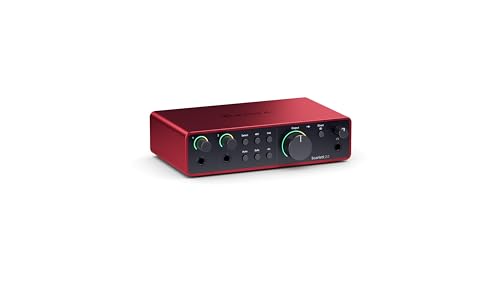
The 2i2 4th Gen expands Scarlett’s popular line with two inputs and the same 120dB dynamic range and high‑quality converters. Auto Gain helps set levels quickly, while Clip Safe reduces the risk of distortion during loud takes. This makes it well suited for home studios and projects with multiple instruments. The built‑in EQ is largely a software feature, but the hardware gain staging and monitoring clarity can reduce editing time.
MAONO G1 Neo Gaming Audio Mixer

The MAONO G1 Neo is built for streamers and gaming content creators. It combines a compact mixer with USB audio interface functionality, 48V phantom power, and a suite of DSP effects and sound pads. Best for those who want integrated voice effects and quick scene changes during streams. A limitation is that it prioritizes streaming features and live effects over pristine studio‑grade monitoring, so use it when streaming is the primary goal rather than critical studio recording.
Buying Guide: Key Considerations For Choosing An Interface With EQ
- Purpose and workflow: Are you recording vocals, guitar, podcasts, or gaming streams? Choose a model aligned with your primary task and whether you need hardware EQ or rely on software processing.
- Inputs and outputs: Do you require one, two, or more inputs? Consider instrument inputs, XLR compatibility, and monitor outputs for headphones or speakers.
- Audio quality: Look for interfaces offering high dynamic range (120dB or more in Focusrite lines) and 24‑bit/192kHz resolution for clear, detailed recordings.
- Monitoring features: Auto Gain, Clip Safe, direct monitoring, and latency considerations affect how you capture performances in real time.
- EQ and processing: Many interfaces provide hardware pre‑amps with Air or similar modes that adjust tonal character; most EQ is software‑based, so plan for your DAW or companion apps to handle tone shaping.
- Portability and power: USB‑C powered interfaces are convenient for mobile rigs; consider bus‑powered or external power for larger setups.
- Software ecosystem: Some brands bundle suites or plugins that complement recording and mixing; verify compatibility with your computer OS and DAW.
FAQ
- Do I need hardware EQ on the interface?
Most interfaces provide tone shaping in software. Hardware “Air” or similar modes are designed to alter the perceived brightness or presence of recordings, but substantial EQ is usually done in your DAW.
- Is a two‑input interface enough for my guitar and microphone?
Yes, if you only need one mic and one instrument at a time, a 2‑input model like the Scarlett Solo 4th Gen or 2i2 is sufficient; upgrade if you plan to record multiple sources simultaneously.
- Which interface is best for streaming?
Interfaces with built‑in monitoring and strong DSP effects, like the MAONO G1 Neo, can be advantageous for streaming, but for pristine studio recordings, consider models focused on audio fidelity.
- Will I see a big difference between 24‑bit/192kHz and lower resolutions?
Higher resolution offers more detail and headroom, especially in complex mixes. For basic podcasts or voice work, 24‑bit/192kHz provides a clean, forgiving recording path.
- What about latency?
Latency depends on drivers, buffer settings, and computer performance. Interfaces with direct monitoring and well‑optimized drivers minimize noticeable delay during recording.
In summary, the Focusrite Scarlett line delivers reliable, studio‑grade sound with easy workflows for vocalists and guitarists. The PIYONE and M‑AUDIO options offer strong value for beginners or mobile setups. For streamers, MAONO G1 Neo provides creative DSP features on a compact form. Consider your primary use case, needed inputs, and whether you prefer hardware‑driven tonal adjustments or software‑based EQ when making your choice.