
Best Bluetooth Microphones for Car Stereo: Clear Hands-Free Calls and Strong Sound
If you’re shopping for a Bluetooth-enabled car mic to improve hands-free calling or voice commands, these options are well-suited for aftermarket or factory head units. The top picks below are best for drivers seeking clear voice pickup, easy plug-and-play setup, and compatibility with common 3.5mm or 2.5mm microphone inputs. The list targets different car setups: standard 3.5mm mic inputs, Pioneer/2.5mm systems, and dual-mic configurations for crisper call quality. Use the quick table to compare core picks and suitability at a glance.
| Product | Best For | Key Benefit |
|---|---|---|
| FingerLakes 3.5mm Microphone Assembly | Most standard car radios | High-sensitivity electret cartridge with low impedance |
| FingerLakes Mic 3.5mm External Microphone Assembly | Long cable setups | 3 m cable; improved omnidirectional design |
| FingerLakes Microphone Mic 2.5mm Pioneer Compatible | Pioneer head units | 2.5mm mic input compatibility |
| JOYROOM Bluetooth 6.0 AUX Car Adapter | Dual mic, hands-free calls | Dual mics with noise filtering |
| COMSOON Bluetooth Receiver for Car | Bluetooth audio with 3.5mm AUX | BT5.0, clear calls, up to 16h play time |
FingerLakes 3.5mm Microphone Assembly for Car Stereo
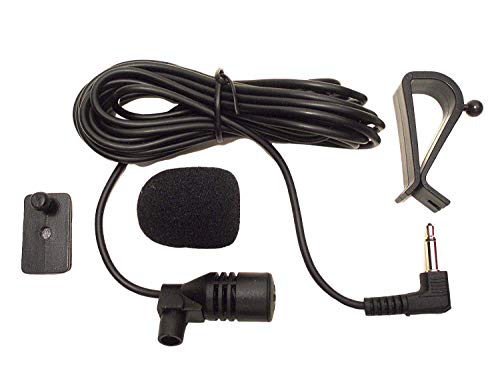
Best for: Standard car radios with a 3.5mm mic input. This mic uses an electret condenser cartridge with high sensitivity and low impedance to reduce noise and ensure stable voice transmission in typical driving conditions. It is suitable for after-market head units that support a 3.5mm microphone input and aims to provide clear voice pickup during calls or voice commands.
Why selected: Wide compatibility with 3.5mm inputs and emphasis on reducing interference makes it a solid baseline choice for many car radio setups. Limitation: Compatibility depends on the radio’s mic input wiring and power supply; some radios may require adapter wiring.
FingerLakes Mic 3.5mm External Microphone Assembly (FL11)
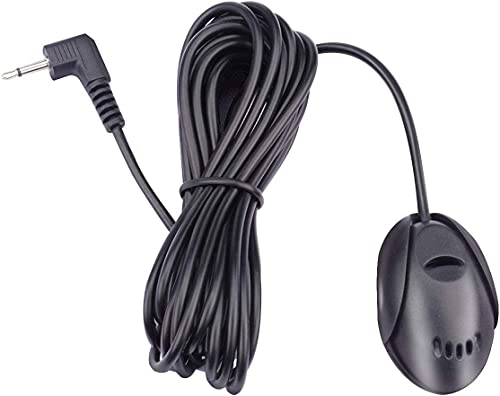
Best for: Cars needing a longer mic reach. This mic uses a 3 m (9 ft) cable and a plug-and-play 3.5mm interface. The improved omnidirectional design helps deliver better sound during transit while reducing wind or road noise. It suits hands-free calling on many after-market radios and GPS/DVD receivers with mic input.
Why selected: The longer cable offers flexibility for dash or visor placement, which can improve voice capture in larger vehicles. Limitation: Cable length could be excessive for compact cabins and may require routing to avoid wear.
FingerLakes Microphone Mic 2.5mm Pioneer Compatible
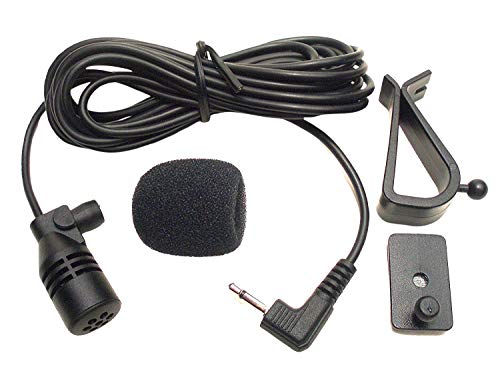
Best for: Pioneer head units with a 2.5mm mic input. The microphone uses a high-sensitivity electret cartridge and features fast data transmission for clear voice pickup across varied driving environments. It’s a practical upgrade for older Pioneer models lacking robust built-in mics.
Why selected: Specifically tailored for 2.5mm inputs, offering straightforward compatibility. Limitation: Verifying the exact MIC port size on the radio is essential to avoid mismatch.
Car Microphone 3.5mm by Weishan

Best for: Vehicles using 3.5mm mics with adapters to accommodate 2.5mm or 3.5mm inputs. The kit includes an aftermarket microphone with a 3.5mm female to 2.5mm male adapter and supports mono omnidirectional capture. It emphasizes fast, accurate transmission for hands-free calls.
Why selected: Flexibility with adapters makes it compatible with multiple radio families. Limitation: Compatibility depends on whether the radio supports an external mic via the provided adapters; some models may require additional wiring.
JOYROOM Bluetooth 6.0 AUX Car Adapter
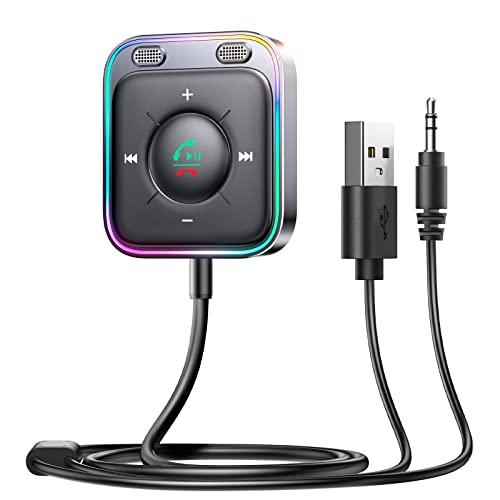
Best for: Cars needing dual microphone coverage and strong Bluetooth reliability. This device provides a stable AUX connection and dual mics to capture voices from multiple directions. It improves call clarity and reduces road noise thanks to CVC8.0-like processing.
Why selected: The dual-mic setup helps with smoother hands-free calls, and the device supports automatic pairing for simple use. Limitation: It requires a 3.5mm AUX port and USB power; older cars without an AUX input may not be compatible.
COMSOON Bluetooth Receiver for Car, 3.5mm AUX

Best for: Cars with non-Bluetooth radios that want wireless streaming and clearer calls. The device uses Bluetooth 5.0 for stable connectivity and features DSP-based noise reduction. It supports up to 16 hours of battery life and can be used while charging.
Why selected: Combines wireless streaming with improved noise reduction; handy for longer trips. Limitation: As a receiver, it adds another component to the audio chain and may require routing to access the 3.5mm input on your car stereo.
SCREENTRONICS 2.5mm Plug Microphone Replacement

Best for: Pioneer and related head units that use a 2.5mm mic. The universal 2.5mm mono connector supports a wide range of Pioneer and similar radios, making it a versatile upgrade option. It’s suitable for hands-free calls and clear audio transmission.
Why selected: Broad compatibility across multiple Pioneer models. Limitation: The exact radio series list is long; verify that your model is on the supported list before purchase.
SCREENTRONICS 3.5mm/2.5mm Compatible Clip-On Mic
Best for: Sony MEX and XAV series car stereos needing a flexible external microphone. The mic supports 3.5mm and 2.5mm inputs via included adapters and is designed for hands-free communication and clearer audio pickup.
Why selected: Good option for Sony head units with external mic needs. Limitation: Compatibility is best confirmed against the exact Sony model family and input size on the radio.
Buying Guide
- What input does your radio use? Confirm whether your car stereo requires a 3.5mm, 2.5mm, or AUX microphone input to choose the correct mic type.
- Cable length vs. placement: Longer cables provide placement flexibility for dash or visor mounting but add more routing considerations.
- Dual vs. single mic: Dual-mic setups can improve call clarity in noisy cabins; single-mic options are simpler and often sufficient for standard use.
- Noise reduction and omnidirectional pickup: Look for features like low impedance, anti-noise, and omnidirectional design to reduce wind and road noise.
- Power and compatibility: Some mics require power from the head unit or an external supply; ensure your radio can support external mics if needed.
- Mounting and durability: Consider how the mic will be mounted (dash, visor, or near the microphone input) and whether the device feels sturdy for daily use.
FAQ
- What is the best mic for a Pioneer head unit?
– A 2.5mm or 3.5mm mic designed for Pioneer models, like those listed, depending on your exact mic port size on the radio. - Do I need dual mics for clearer calls?
– Dual mics can improve voice pickup from multiple directions, especially in noisy cabins or when passengers talk from different seats. - Can I use any Bluetooth car adapter as a mic?
– Bluetooth adapters that provide a mic input or pass audio through to the car system can work, but ensure compatibility with your radio’s mic input and power requirements. - Is a longer mic cable better?
– Longer cables offer placement flexibility but may require careful routing to avoid wear and interference. Choose a length that fits your car’s interior layout. - Will these mics work with non-Bluetooth radios?
– Yes, many mics are wired to the radio’s mic input; Bluetooth adapters can supplement wireless functionality in non-Bluetooth systems. - What should I check before buying?
– Verify input size (3.5mm vs 2.5mm), radio compatibility, mounting options, and whether the kit provides adapters for your specific unit.