
The best broadcast quality headset microphone depends on whether you need studio-style monitoring, noise isolation, or a headset for everyday calls. The Audio-Technica BPHS1 is best for broadcast work in noisy surroundings, while the BPHS2 suits buyers who want a low-profile design and hypercardioid boom mic. The RØDE NTH-100M is a strong fit for media creators seeking accurate headphone sound. The talomen is a detachable-mic option for studio workflows, and the EKSA is geared toward office communication.
| Headset | Best suited for | Standout feature |
|---|---|---|
| Audio-Technica BPHS1 | Broadcasting around background noise | Closed-back circumaural ear cups |
| RØDE NTH-100M | Media and content creation | Accurate frequency response |
| talomen Studio Monitor Headphones | Flexible studio and podcast use | Detachable cardioid boom mic |
| EKSA Wired Computer Headset | Office calls and online meetings | USB connection and call controls |
| Audio-Technica BPHS2 | Broadcast speech and compact fit | Hypercardioid dynamic microphone |
Audio-Technica BPHS1 Broadcast Headset
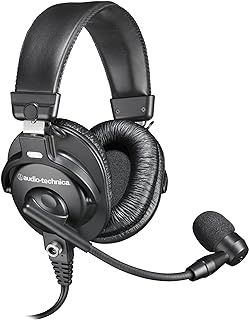
The Audio-Technica BPHS1 pairs a dynamic cardioid boom microphone with closed-back circumaural ear cups. Its microphone polar pattern and frequency response are tailored for intelligible vocal reproduction. The ear cups help seal out crowd noise and other background distractions, while neodymium magnets in both the microphone and headphones support high output and detailed sound reproduction.
Best for: Broadcasters, commentators, and other users who need to monitor audio while limiting surrounding noise. It is selected for its combination of speech-focused microphone design and closed-back, around-ear coverage.
Limitation: Its circumaural, closed-back format may be less suitable for buyers who prefer an on-ear or open listening design. The provided product details do not specify connection requirements, so check the listing against your intended equipment.
RØDE NTH-100M Professional Headset
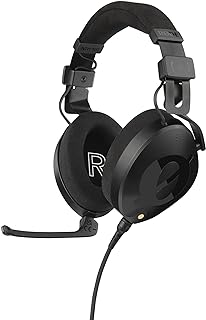
The RØDE NTH-100M is an over-ear headset positioned for media, broadcasting, podcasting, streaming, and office use. Its custom-matched drivers and acoustic design are described as delivering an accurate frequency response with detail and clarity. The built-in broadcast-quality microphone is designed for speech intelligibility and natural voice reproduction across different environments.
Best for: Creators who need one headset for spoken audio and detailed headphone monitoring. It is a better fit than a call-center-focused model when accurate listening is an important part of the workflow.
Limitation: The supplied features do not describe its microphone pickup pattern, connection type, or controls. Confirm those details before choosing it for a specific mixer, computer, or recording setup.
talomen Studio Monitor Headphones

The talomen headset combines wired studio-monitor headphones with a detachable dynamic cardioid boom microphone. The headphones are tuned for clear mids, balanced bass, and detailed highs, according to the listed features. The removable mic is intended for voice isolation and clear communication during podcast recording, streaming, meetings, and broadcast sessions.
Best for: Podcasters and creators who want a headset that can support monitoring and spoken communication, with the option to remove the boom mic. It is also presented for audio editing, vocal monitoring, music production, and gaming commentary.
Limitation: The feature list does not state the connector type or specific device compatibility. Check those details before buying, especially if your setup requires a particular input or adapter.
EKSA Wired Computer Headset

The EKSA is a USB over-ear computer headset built around office calls, call-center work, online courses, and meetings. Listed features include an environmental noise-canceling chipset intended to reduce ambient noise picked up during calls, plus volume and microphone-mute controls. It has an adjustable headband and removable ear pads described as soft and breathable. The product information lists compatibility with PC, laptop, and Mac OS devices.
Best for: Buyers prioritizing everyday communication and straightforward USB use over studio monitoring. Choose it if call controls, a computer-oriented setup, and noise reduction for speech are more important than a broadcast-specific microphone pattern.
Limitation: The provided features focus on office communication rather than broadcast production or accurate audio monitoring. Verify that its USB connection fits your intended device and workflow.
Audio-Technica BPHS2 Broadcast Headset

The Audio-Technica BPHS2 uses a hypercardioid dynamic boom microphone with a frequency response tailored for broadcast-ready vocal reproduction. Its low-profile, closed-back on-ear design is intended to provide isolation and fit. The headphones use proprietary 45 mm large-aperture drivers, with rare-earth magnets and copper-clad aluminum wire voice coils.
Best for: Broadcast users who want a lower-profile on-ear design and a hypercardioid dynamic microphone for speech. It is a useful comparison with the BPHS1: the BPHS2 is on-ear and hypercardioid, while the BPHS1 is circumaural and cardioid.
Limitation: On-ear coverage differs from the BPHS1’s around-ear design, so compare the fit and isolation style you prefer. The provided details do not identify the connection type.
Buying Guide: How to Choose a Broadcast Headset Microphone
A broadcast headset microphone combines a microphone and headphones in one wearable system. This can simplify monitoring while speaking, but the right model depends on the room, recording chain, listening needs, and fit preferences. Start by deciding whether your priority is voice capture, headphone accuracy, sound isolation, or convenient computer calls.
Which microphone pickup pattern fits your environment?
A microphone’s polar pattern describes how it responds to sound arriving from different directions. The BPHS1 has a cardioid mic, while the BPHS2 and talomen list cardioid and hypercardioid designs, respectively. The product descriptions identify these patterns but do not provide detailed pickup charts, so they should not be treated as guarantees of performance in every room.
For a noisy setting, also consider the headset’s ear-cup construction and how well your microphone placement suits your speaking position. The BPHS1 specifically lists closed-back circumaural cups that help seal out crowd noise. The BPHS2 has a closed-back on-ear design. These are headphone isolation features; they are separate from microphone pickup behavior.
Do you need accurate monitoring or a clear call headset?
Accurate monitoring matters when you edit, mix, or need to hear details in recorded content. The RØDE NTH-100M emphasizes accurate frequency response and detail. The talomen describes clear mids, balanced bass, and detailed highs. These stated features make them the more relevant choices for buyers who want headphones intended for media or studio workflows.
For calls, the EKSA emphasizes USB computer use, noise reduction for communication, and volume and mute controls. Those are practical features for meetings, classes, and office calls, but the listed information does not position it as an audio-mixing headset.
Should you choose over-ear or on-ear headphones?
Over-ear and circumaural designs surround the ears, while on-ear designs rest on them. The BPHS1 uses circumaural cups, and the RØDE and EKSA are described as over-ear headsets. The BPHS2 is explicitly low-profile and on-ear. There is no single best fit for everyone: consider how much coverage you want and whether you prefer a lower-profile design.
Fit can affect comfort during longer sessions, but product descriptions do not establish that a headset will suit every user. Look for adjustable features and ear-pad details, and review the product specifications if dimensions or replacement parts matter to you.
Is a detachable microphone useful?
A detachable boom can be useful when you want to remove the mic for listening or adapt the headset to different tasks. The talomen lists a removable cardioid boom microphone. The other products in this selection do not state that their microphones are detachable, so do not assume that they can be removed.
If you will record regularly, also check how the headset connects to your recording equipment. The supplied product details do not specify connection types for the Audio-Technica, RØDE, or talomen models. The EKSA is listed as USB. Confirm connector, adapter, and input requirements before purchase.
What should you check before buying?
- Use case: Separate broadcast production, podcasting, editing, streaming, and office calls. A headset designed for calls may not meet monitoring priorities.
- Microphone pattern: Compare the listed cardioid or hypercardioid design with your room and microphone placement needs.
- Headphone style: Choose among circumaural, over-ear, and on-ear designs based on your coverage and fit preference.
- Connection: Confirm the connector and whether your equipment needs an adapter. Do not infer compatibility from the word “professional.”
- Controls: If you take frequent calls, determine whether volume and mute controls are important. The EKSA listing specifically mentions both.
- Removable components: Check whether the microphone or ear pads are removable if that matters for your workflow or cleaning routine.
Frequently Asked Questions
What makes a headset microphone suitable for broadcasting?
Relevant features include a speech-focused microphone, headphones for monitoring, and a design that suits the recording environment. The products in this guide list different combinations of these features, so compare their microphone patterns, headphone construction, and connection requirements.
Which headset in this list is designed to help block surrounding noise?
The Audio-Technica BPHS1 lists closed-back circumaural ear cups that help seal out crowd noise and other background distractions. The BPHS2 also lists a closed-back design, but it is on-ear rather than circumaural.
Which option has a detachable boom microphone?
The talomen Studio Monitor Headphones list a detachable dynamic cardioid boom microphone. The other product descriptions do not specify a detachable microphone.
Which headset is intended for office calls?
The EKSA is described for office, call-center, Skype, school, and online meeting use. Its listed features include USB connectivity, volume and microphone-mute controls, and environmental noise-canceling technology for calls.
Are these headsets all compatible with professional audio equipment?
Compatibility is not established for every model in the supplied details. Only the EKSA is specifically described as a USB headset with listed computer and operating-system compatibility. Check the connector and input requirements for each other headset before purchase.
What is the difference between the BPHS1 and BPHS2?
The BPHS1 has a dynamic cardioid boom microphone and closed-back circumaural ear cups. The BPHS2 has a hypercardioid dynamic boom microphone and a low-profile closed-back on-ear design. Choose based on the microphone pattern and headphone fit you need.