
Best Crash Cymbals for Drums: A Clear Buyer’s Guide for 5 Top Picks
Answering the question: which crash cymbal best fits your drum setup and playing style? This guide highlights five strong options, spanning beginner-friendly models and more durable brass varieties. Each pick is explained for who it suits, why it stands out, and any small limitations to watch for. A compact comparison table at the start helps you see key differences at a glance.
| Product | Brand | Best For |
|---|---|---|
| Arborea 16″ Crash | Arborea | Practice-focused players seeking bright, responsive attack |
| Meinl 18″ HCS18C | Meinl Percussion | Entry-level kits needing durable, real-sounding corrosion-resistant brass |
| Sabian 16″ SBR | Sabian | Budget-conscious beginners wanting easy intro to bronze-tones |
| Zildjian Planet Z 16″ Crash | Zildjian | Beginners to intermediates seeking bright, controlled tone |
| Meinl 16″ HCS16C | Meinl Percussion | Compact size replacement for small kits with solid sustain |
Arborea 16″ Crash Cymbal

The Arborea 16″ Crash Cymbal is crafted from high-quality alloy materials with a copper-plated surface. It features fine workmanship and a car-pattern finish that helps enhance the sound’s ductility. The 16″ size provides a bright, immediate attack with a balanced tail. This model is designed to resist bending due to its special processing, making it a practical option for practicing drummers who need reliability. Best for players seeking a responsive practice cymbal with clear projection and a crisp cut in busy rhythm sections.
Best for: beginners and intermediate players who want a bright, punchy crash with dependable durability. Choose this if you value a distinctive surface treatment that helps sound clarity in small rooms or practice spaces. Caution: as with many budget-friendly alloys, the sustain may be shorter than higher-end lines, which could matter for slower, legato fills.
Meinl 18” Crash Cymbal – HCS18C

The Meinl 18″ HCS18C crash is part of the HCS brass line and intended as an upgrade from stock cymbals on entry-level kits. It delivers a brighter hit with controlled sustain and solid durability, ideal for regular practice sessions. The brass composition supports a punchy, articulate attack that sits well with other cymbals in a standard kit. Best for: players who want a real-feel crash that lasts just long enough to punctuate accents without washing out the mix.
Limitation: entry-level brass can be less complex in overtone character than higher-end bronze cymbals, which may matter for players who seek a very lush wash across longer phrases.
SABIAN 16″ SBR Crash Cymbal
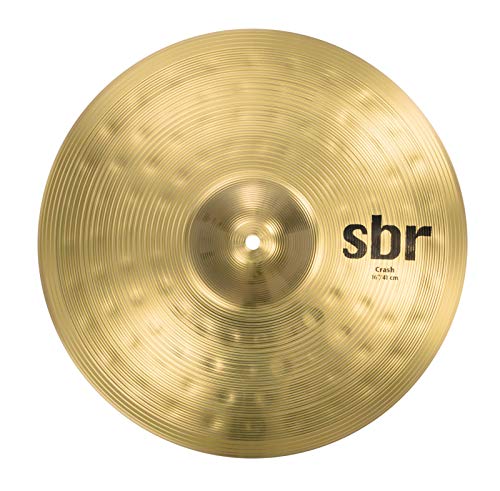
The Sabian 16″ SBR crash emphasizes fast, punchy accents with a price point that makes it accessible for beginners. SBR brass offers a straightforward, bright tone that’s easy to control in a variety of genres. Best for: new players needing an easy-to-use crash that quickly integrates with practice routines and band contexts. Caution: the sound character can be less nuanced than higher-grade bronze options, which may matter for players aiming for complex dynamics.
Avedis Zildjian Planet Z Crash Cymbal (ZP16C)

The Zildjian Planet Z Crash is redesigned for 2020 to serve as a strong entry point into the Zildjian line. Made in the USA from brass, these cymbals offer bright cutting tones with focused sound and solid control. The Planet Z range provides an attractive balance of quality and price for beginners and intermediate players alike. Best for: novices seeking a recognizable brand with dependable brightness and quick response. Caution: the entry-level positioning means it may lack the deeper wash some players prefer for slower, legato sections.
Meinl 16” Crash Cymbal – HCS16C

This 16″ HCS crash from Meinl matches the HCS brass line with a bright, punchy attack and controlled sustain. It’s designed to replace stock cymbals on many entry-level kits, offering a more musical sound and improved durability. Best for: beginners who want a compact, reliable crash that pairs well with standard 14″ crashes and 18″ crashes in a basic setup. Caution: the 16″ size may feel less substantial in louder rock contexts where a larger crash could be more expressive.
Buying Guide: Key Considerations For Crash Cymbals
- Material matters: Bronze cymbals usually offer richer overtones and longer sustain than brass, but brass models are often brighter, lighter on the wallet, and great for practice spaces.
- Size and purpose: Common crash sizes range from 14″ to 18″. Larger cymbals provide louder accents and longer decay; smaller ones cut through dense mixes but may sound thinner in larger rooms.
- Application: For practice rooms and school kits, budget-friendly lines (like HCS or SBR) provide reliable response. For more nuanced playing and stage use, investing in a higher-quality bronze crash is often worth it.
- Durability vs. overtones: Heavier brass or bronze with thicker taper resists beating and bending, but can produce more aggressive attack. Lighter models respond quickly but are more prone to denting in hard-hitting genres.
- Brand ecosystem: Reputable brands offer consistent tonal character, compatibility with other cymbals, and predictable performance across sizes in a line.
Frequently Asked Questions
- What’s the main difference between brass and bronze crash cymbals? Brass (often labeled HCS or SBR) provides bright, focused attacks with good durability and lower cost. Bronze cymbals offer richer sustain and more complex overtones but tend to be pricier.
- Which size should I start with for learning? A 16″ crash is versatile for most practice rooms and beginner setups, offering a balanced attack and easy control across styles.
- Are there any cautions when buying budget cymbals? Budget cymbals can have less refined overtones and shorter sustain. They are reliable for practice and learning, but may not provide the same musical versatility as higher-end options.
- Should I match crash cymbals by brand? Not always necessary, but staying within a consistent family can help maintain a cohesive sound and physical compatibility with future purchases.
- Is a larger crash always better for louder gigs? Not necessarily; larger sizes are louder but can overwhelm smaller rooms. Consider the venue, kit size, and your playing style when choosing.