
A 3-way speaker crossover routes audio into high-, midrange-, and low-frequency paths so compatible speaker drivers can handle different parts of the signal. The HiQltyla PUV-W3 is a straightforward option for buyers seeking a pair of passive home-audio crossovers; the 400W model emphasizes adjustable operation, and the CRX-303 is specifically described for car audio. Compare the stated power and impedance carefully with your drivers and amplifier before choosing. The listings provide limited technical detail, so confirm crossover frequencies, wiring, and fit before purchase.
| Product | Stated use or feature | Best suited for |
|---|---|---|
| HiQltyla PUV-W3, 200W | Passive, 4–8 ohms, two-pack | Home-audio or bookshelf-speaker projects |
| Adjustable 400W crossover | 4–8 ohms, adjustable | Buyers prioritizing adjustability |
| 800W crossover | 4–8 ohms, three-way board | Buyers comparing higher stated power handling |
| CRX-303, 300W | 4 ohms, passive car-audio model, two-pack | Car-audio projects using 4-ohm drivers |
| HiQltyla PUV-W3 alternate listing | Same stated model and specifications | Buyers comparing the separate listing |
HiQltyla PUV-W3 200W Passive Crossover
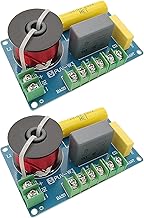
This two-pack is listed as a 200W passive crossover for HiFi home audio. Its name specifies a 4–8-ohm range and describes bass, midrange, and tweeter use, making it the clearest match here for a conventional three-driver home speaker project.
Best for: DIY bookshelf or home-audio builders who need two passive crossover units and whose planned system matches the stated impedance range. It was selected because the listing explicitly identifies the three frequency roles and home-audio use.
Check before buying: The supplied product details do not state crossover frequencies, slopes, dimensions, or terminal layout. Confirm those requirements with the seller and compare them with your drivers. The 200W figure is a listing claim, not a substitute for checking the whole system’s power limits.
Adjustable 400W 3-Way Crossover

This two-piece crossover listing states 400W and 4–8-ohm operation. It describes an adjustable three-way frequency divider with one high-frequency output and two low-frequency outputs. That output description differs from the simple high, midrange, and bass wording used by other listings, so buyers should inspect the wiring diagram and confirm how the outputs are intended to connect.
Best for: Builders who specifically want an adjustable crossover and need to evaluate a design with the listed one-high/two-low output arrangement. It was selected for that distinguishing feature rather than an assumption that it fits every three-driver speaker.
Check before buying: The provided information does not explain what is adjustable, the adjustment range, or whether the two low outputs are intended for separate drivers. Verify the crossover layout and compatibility with your speaker plan before ordering.
800W 4–8-Ohm Three-Way Crossover

This listing describes an 800W, 4–8-ohm three-way frequency-divider board for HiFi home speakers. It identifies treble, alto, and bass as the three bands. “Alto” is the wording in the product name; buyers should confirm the manufacturer’s intended midrange connection and terminal labels rather than relying on translated descriptions alone.
Best for: Buyers comparing a board with a higher stated power figure and a stated 4–8-ohm range. It earns a place in this selection because its listing gives both an impedance range and a three-band home-speaker description.
Check before buying: The supplied details do not provide crossover points, frequency response, board dimensions, or a definition of the 800W rating. Do not choose it based on the wattage figure alone; verify the full specifications against the amplifier and drivers.
CRX-303 300W 4-Ohm Car Audio Crossover

The CRX-303 is described as a two-pack of 300W passive three-way crossovers for car audio. Its listed impedance is 4 ohms, rather than the 4–8-ohm range stated by several home-audio products in this group.
Best for: Car-audio builders whose planned drivers and system call for a 4-ohm passive crossover. It was selected because the product name directly identifies car audio and specifies its impedance.
Check before buying: The provided information does not list crossover frequencies, wiring details, dimensions, or whether the power figure is measured per unit or for the pair. Confirm these details and make sure the crossover is appropriate for the exact drivers in your installation.
HiQltyla PUV-W3 200W Alternate Listing

This separate listing describes the same HiQltyla PUV-W3 model: a two-pack of 200W passive crossovers for 4–8-ohm home audio, with bass, midrange, and tweeter use named in the product title. Its stated specifications match the other PUV-W3 listing in this article.
Best for: Buyers who want to compare the separate listing for the same named model before deciding where to purchase. It is included to represent the supplied product listing, not because the provided information establishes a technical difference from the other PUV-W3 entry.
Check before buying: The product information supplied here does not explain how this listing differs from the other PUV-W3 listing. Compare the current listing details, image, included quantity, and seller information, and verify the technical specifications before ordering.
Buying Guide: How To Choose A 3-Way Speaker Crossover
A passive crossover sits between an amplifier and speaker drivers, directing different frequency ranges to the intended drivers. A three-way system generally separates the signal into low, middle, and high bands. The crossover must suit the drivers and the intended speaker design; matching a product’s headline wattage or impedance alone does not establish that it will work well in a particular build.
Does the crossover match your drivers’ impedance?
Start with the nominal impedance specified for each driver and compare it with the crossover listing. The products here state either 4 ohms or a 4–8-ohm range. That wording is not enough to confirm compatibility in every configuration. Multiple drivers wired together can change the load presented to the crossover and amplifier. Check the intended wiring plan and manufacturer documentation before connecting components.
What crossover frequencies do your drivers need?
Crossover frequency determines where one driver’s assigned range transitions toward another. The supplied descriptions do not provide crossover points for these products. Ask for the frequency values and, where available, the crossover slopes and response information. Compare those specifications with the usable frequency ranges recommended for the woofer, midrange driver, and tweeter. If those details cannot be confirmed, the product may not be a suitable choice for a carefully specified design.
What does the wattage rating tell you?
The product names state ratings of 200W, 300W, 400W, or 800W. Treat these as manufacturer or listing claims that need clarification, not as a direct measure of sound quality or guaranteed compatibility. Check whether the rating applies to each crossover or a set, and what conditions or measurement method it uses. Also consider the power limits of the drivers and amplifier; the crossover rating does not raise their limits.
Is a passive crossover the right type?
The PUV-W3 and CRX-303 listings explicitly say passive. A passive crossover is generally used between an amplifier and speaker drivers. An active crossover works at a different point in the signal chain and needs a compatible system setup. Do not assume that a product is active, adjustable, or suitable for a particular amplifier unless its documentation says so. The 400W listing uses the word “adjustable,” but the supplied details do not explain what can be adjusted.
Are the outputs arranged for your speaker design?
Look at the product’s wiring diagram before purchase. The 400W listing describes one high-frequency output and two low-frequency outputs, while the other listings describe three frequency bands. That wording could matter for how the drivers are connected. Confirm the number and labeling of inputs and outputs, the intended driver connections, and whether the crossover is designed for the configuration you plan to build.
Should you choose a home-audio or car-audio model?
The PUV-W3 and 800W board are described for HiFi or home speakers, while the CRX-303 is explicitly described for car audio. Use the stated application as a starting point, not a complete compatibility guarantee. Compare dimensions, mounting options, connection method, operating environment, and electrical specifications with the planned installation. Those details are not included in the product information provided here, so confirm them from the full listing or seller.
What should you verify before installing?
- Confirm the crossover frequencies and intended driver roles.
- Match the impedance and wiring arrangement to the crossover and amplifier.
- Check the number and labels of inputs and outputs against the speaker design.
- Clarify the wattage rating and whether it applies per unit or per set.
- Check dimensions and mounting requirements against the available enclosure space.
- Follow the product’s wiring instructions and avoid connecting components based only on wire color or an assumed terminal layout.
Frequently Asked Questions
What does a 3-way speaker crossover do?
It divides an audio signal into low-, midrange-, and high-frequency bands and directs those bands toward the intended speaker drivers. The exact crossover points depend on the product and speaker design.
Can any 3-way crossover work with any three drivers?
No. The crossover’s frequency ranges, impedance requirements, wiring layout, and power limits must suit the drivers and amplifier. Check the manufacturer’s technical information before connecting a system.
Is a 4–8-ohm crossover automatically suitable for 4-ohm speakers?
Not automatically. The listed range is useful information, but the full driver configuration and wiring affect the electrical load. Confirm the crossover and amplifier requirements for the planned setup.
Does a higher wattage rating mean better sound?
No. A higher stated wattage does not establish sound quality or driver compatibility. Crossover frequencies, design, impedance, installation, and driver characteristics also matter.
What is the difference between the two HiQltyla listings?
The supplied product names describe both as the PUV-W3, a two-pack of 200W passive crossovers for 4–8-ohm home audio. No technical difference is provided, so compare the complete listings and verify the specifications before buying.
What information is most important if it is missing from a listing?
Ask for crossover frequencies, wiring diagrams, impedance guidance, dimensions, and an explanation of the power rating. These details help determine whether the crossover fits the speaker design and installation.