Best Digital Audio Recording Equipment for Clear, Pro-Looking Audio
Answering the question “What digital audio recording equipment should I buy?” this guide spotlights five solid options for creators who record podcasts, music, lectures, or field notes. Each pick is evaluated for who it’s best for, what it delivers, and any practical caveats. Whether you’re a beginner streamer, a student journalist, or a home studio hobbyist, these kits and devices help capture clean, professional-sounding audio with minimal hassle.
Summary table of chosen products:
| Product | |||
|---|---|---|---|
| MAONO Podcast Equipment Bundle (AU-AM200-S1) | All-in-One Podcast Studio | Live streaming and multi-person recording | Two mics, built-in effects, real-time monitoring |
| M-AUDIO M-Track Duo USB Audio Interface | USB audio interface | Musicians and podcasters needing two inputs | Dual XLR/Line/DI inputs with zero-latency monitoring |
| EVIDA 128GB Digital Voice Recorder | Portable voice recorder | On-the-go recording of lectures and meetings | Long battery life and high-capacity storage |
| Tonfarb 64GB Digital Voice Recorder | Portable recorder | Interviewing and field work | 64GB memory, long playback, noise reduction |
| disoidoe Magnetic Voice Recorder | Magnetic compact recorder | Hands-free or discreet recording | Strong magnet mounting and DSP noise reduction |
MAONO Podcast Equipment Bundle Audio mixer All-in-One

Product overview: This all-in-one kit integrates a mixer, two-mic potential, and a built-in voice processing suite. Best for aspiring podcasters or streamers who want a compact, turn-key setup. The S1 bundle includes a condenser microphone and supports two mic inputs, accompaniment input, and real-time monitoring. It offers multiple built-in effects and voice-changing capabilities to experiment with tone and presentation. The kit is designed to simplify live streaming and recording on smartphones or PCs.
Who it’s best for and why selected: Ideal for creators who want a straightforward path to professional-sounding voice with minimal gear swaps. The built-in effects and multi-device compatibility make it suitable for solo hosts or small groups. Choose this if you value an all-in-one solution with immediate plug-and-play use.
Caution/limitation: The bundle relies on USB-powered operation; performance may vary with non-standard computer setups or older USB ports. If you expect advanced outboard gear integration, this kit may feel limited.
M-AUDIO M-Track Duo USB Audio Interface
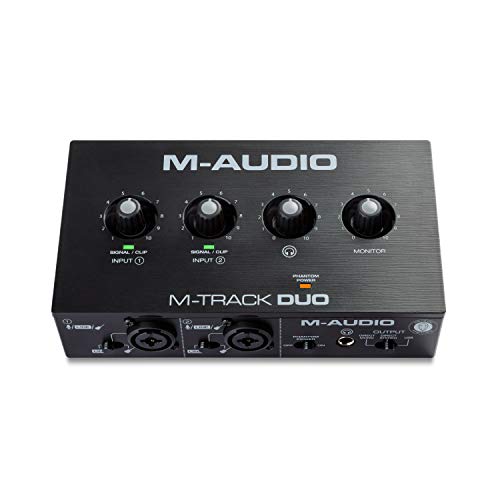
Product overview: A compact USB interface with two combo XLR/Line/Instrument inputs, phantom power, and separate monitoring outputs. Best for podcasters and musicians who need two independent inputs with clean, low-latency monitoring. It delivers 48kHz audio resolution for crisp recordings and easy monitoring through headphones and line outputs. It’s a robust, portable choice for home studios or mobile setups.
Who it’s best for and why selected: Suited for users who want more flexible routing and direct monitoring, plus the ability to record instruments or two voices simultaneously. Choose this if you plan to run a multi-source setup or require a reliable USB audio interface that works with major DAWs.
Caution/limitation: No built-in microphone preamps beyond what the two inputs provide; you may still need external mics or accessories for optimal vocal quality.
EVIDA 128GB Digital Voice Recorder
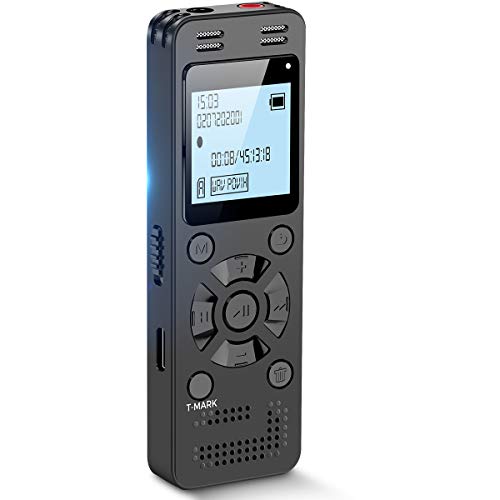
Product overview: A high-capacity digital voice recorder designed for long recording sessions with playback. It supports up to 9296 hours of storage, depending on settings, and offers voice-activated recording modes. Best for students, professionals, and researchers who need reliable, discreet capture of lectures or meetings. The device supports multiple bitrates and structured playback for easy review.
Who it’s best for and why selected: Ideal for those who conduct long-form interviews or lectures and require substantial storage without frequent transfers. Choose this if you value long-term recording autonomy and straightforward playback management.
Caution/limitation: The strength of noise handling is practical but not a substitute for a dedicated microphone in loud environments; rely on proper mic placement for best results.
Tonfarb 64GB Digital Voice Recorder

Product overview: A compact recorder with 64GB of storage and a robust battery designed for up to 48 hours of continuous recording at lower bitrates. Best for field work, interviews, and lectures where portability matters. It includes automatic noise reduction and PCM recording options for higher quality when needed.
Who it’s best for and why selected: Suitable for researchers, journalists, and students who need a lightweight device that can run long sessions without frequent battery changes. Choose this if you need a reliable, pocketable recorder with solid storage and simple operation.
Caution/limitation: At higher bitrates, storage may be consumed quickly; plan batch transfers to a computer or external drive when possible.
disoidoe Magnetic Voice Recorder DSP5.0
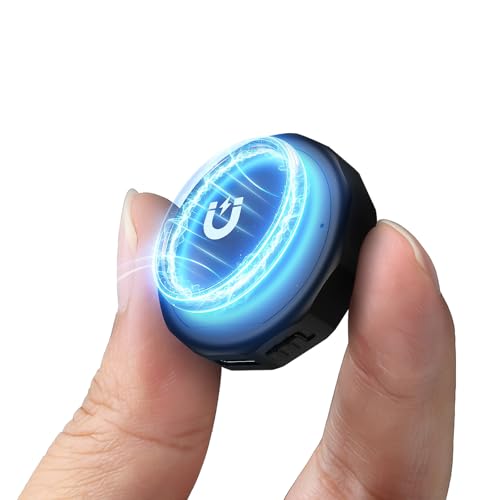
Product overview: A magnetic, compact voice recorder designed to attach to metal surfaces for hands-free use. Best for note-taking during meetings or classroom settings where discreet placement matters. It features triple noise reduction and a DSP 5.0 chip for clearer voice capture and simplified on-off operation.
Who it’s best for and why selected: Great for situational recording in desks or kitchens where mounting is advantageous. Choose this if you want a discreet device that stays out of the way while capturing important dialogue. Caution: Magnetic mounting may not work on non-metal surfaces or certain desk materials.
Buying Guide: Key Considerations For Digital Audio Recording Equipment
What should you look for when buying digital audio recording equipment? Consider the following factors to align a purchase with your goals.
- Recording environment: Quiet room vs. noisy surroundings. If you’re often in noisy spaces, prioritize devices with noise reduction features or a compatible high-quality microphone and proper isolation.
- Mobility needs: Do you need a portable recorder or a desktop setup? Portable recorders are ideal for fieldwork, while interfaces and mixers work best in a fixed home studio.
- Input options: Number and type of inputs matter. A two-mic setup helps with interviews or dual-voice podcasts; a single input may suffice for solo creators.
- Storage and battery life: High-capacity storage and long battery life reduce interruptions during long sessions. Look for models offering extended storage or easy data transfer.
- Compatibility: Ensure the device works with your computer, smartphone, DAW, or other devices you use. USB interfaces generally offer broad compatibility with major operating systems.
- Audio quality and format: Check the supported bitrates and formats (WAV, MP3, PCM). Higher bitrates produce clearer sound but require more storage.
- Ease of use: For beginners, an all-in-one kit with built-in effects can accelerate setup. Advanced users may prefer modular systems for customization.
FAQ
What is the difference between an audio interface and a digital voice recorder?
An audio interface connects multiple audio sources to a computer for recording and monitoring, often used in studio setups. A digital voice recorder is a standalone device designed for portable, on-the-go capture with built-in storage and playback.
Do I need built-in effects for podcasting?
Built-in effects can help with quick level adjustment and voice shaping. However, you can also process recordings later in a DAW for more precise control.
Is two-mic input necessary for podcasts?
Two-mic setups are beneficial for co-hosts or guest interviews, reducing the need to share a single microphone and improving overall sound balance.
What maintenance do digital recorders require?
Keep batteries charged, store recordings in organized folders, back up data regularly, and protect devices from moisture and extreme conditions to extend life and reliability.