
The best ebonite alto saxophone mouthpiece depends on your playing style, preferred facing, and the exact material and model details confirmed by the seller. The Selmer S-80 is the clearest ebonite match in this selection because its listing identifies it as ebonite. The BetterSax Classic is presented for beginner and band use, while the D’Addario Select Jazz is aimed at jazz players. Check material and tip-opening details before ordering if ebonite is essential to your search.
| Product | Best suited for | Listing detail to note |
|---|---|---|
| Selmer S-80 Series C | Players seeking a named ebonite model | Alto saxophone; made in France |
| BetterSax Classic | Beginners and school-band players | Described as reed friendly and hand-finished |
| D’Addario Select Jazz D6M | Players looking for a jazz-oriented option | Jazz model; D6M designation |
| Yamaha 4C Standard Series | Players comparing a standard-series model | Material is not stated in the supplied listing |
| Vandoren V16 A7 Medium Chamber | Players comparing a medium-chamber model | Material is not stated in the supplied listing |
Selmer S-80 Series C Alto Mouthpiece

Best for: Alto saxophonists who specifically want a mouthpiece identified as ebonite. The product name explicitly labels this Selmer S-80 as an ebonite model and gives the facing designation C, making it the most direct match for the keyword in this group.
The supplied details identify it as an alto saxophone mouthpiece and state that it is made in France. Those are useful points to compare when material and product origin matter to a buyer. The listing also provides package dimensions, but those measurements describe the package rather than the mouthpiece’s playing characteristics.
Why it was selected: It is the only product here whose supplied product name explicitly confirms ebonite. That makes it the clearest choice for shoppers filtering by mouthpiece material rather than by a general brand or playing-style term.
Limitation: The supplied information does not explain the C facing’s measurements or provide further details about tip opening, chamber, or included accessories. Confirm those specifications with the seller if they affect your choice.
BetterSax Classic Alto Saxophone Mouthpiece
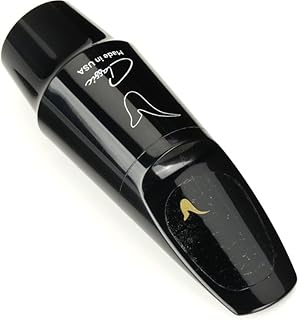
Best for: Beginners and players in concert band, jazz band, or marching band who want a mouthpiece described for those settings. The listing calls it reed friendly, hand-finished, and made in the USA, giving shoppers several concrete product descriptors to compare.
Why it was selected: Its stated audience makes it a relevant option for players looking for a general-purpose alto saxophone mouthpiece rather than a model labeled specifically for jazz or a named chamber style. The listing’s “reed friendly” description may be useful to beginners comparing how a product is presented, but it does not replace choosing a reed strength that suits the player.
Material check: The supplied product name does not identify this mouthpiece as ebonite. Choose it for its listed intended use only if the material is not a strict requirement, or confirm the construction with the seller before buying.
Limitation: The supplied details do not state a tip opening, chamber size, or facing measurement. Players who need to match a specific setup should verify those details rather than infer them from the “Classic” name.
D’Addario Select Jazz Alto Sax Mouthpiece

Best for: Alto saxophone players searching for a jazz-oriented mouthpiece. The product name identifies it as a Select Jazz model and specifies D6M, so it is easy to distinguish from the standard-series and beginner-oriented options in this comparison.
Why it was selected: The jazz designation gives this mouthpiece a clear use category for shoppers comparing models by playing context. The D6M label is also a product-specific identifier that buyers can use when checking the exact model in a seller’s listing or comparing it with their current equipment.
Material check: The supplied product details do not state that this mouthpiece is ebonite. If you are shopping specifically for ebonite, verify the material before choosing this model; its jazz designation alone does not establish what it is made from.
Limitation: No additional specifications or playing characteristics were provided here. Do not assume a particular tone, response, or compatibility from the Select Jazz name alone.
Yamaha 4C Alto Mouthpiece

Best for: Buyers comparing an alto saxophone mouthpiece from a clearly named standard series. The supplied product name identifies the Yamaha 4C as part of the Standard Series, which provides a specific model reference for research and comparison.
Why it was selected: It broadens the comparison beyond the explicitly ebonite Selmer and the jazz-labeled D’Addario. Players who already have a Yamaha 4C in mind can use the model name to check the exact listing and compare its details with their intended setup.
Material check: The provided product information does not state that the Yamaha 4C is ebonite. If material is the deciding factor, do not treat the model name or series label as confirmation; check the seller’s current specifications.
Limitation: No facing, tip-opening, chamber, or included-item details were supplied for this product. Buyers needing those measurements should confirm them before ordering.
Vandoren V16 A7 Medium Chamber Mouthpiece

Best for: Players comparing a mouthpiece identified by its V16 series, A7 designation, and medium chamber. Those terms make the model distinct in this list and provide useful identifiers for checking product details with a seller.
Why it was selected: The named chamber style and model designation give buyers more specific labels to compare than a product described only as a standard mouthpiece. It is a relevant option for alto saxophonists who are already considering the V16 A7 configuration.
Material check: The supplied product name does not confirm ebonite. Buyers who require an ebonite mouthpiece should verify the material rather than assume it from the Vandoren brand or V16 name.
Limitation: The available product information does not include further specifications about the A7 designation, dimensions, or included accessories. Confirm details that matter to your setup before purchase.
Buying Guide: How to Choose an Ebonite Alto Saxophone Mouthpiece
Is the mouthpiece actually ebonite?
Start by checking the material stated in the exact product listing. “Ebonite” is the clearest material clue in the supplied product names: the Selmer S-80 is explicitly labeled ebonite, while the other listings here do not confirm that material. A model name, series name, or brand is not enough to establish construction.
Product listings can vary by seller, model, or version. If ebonite is a firm requirement, look for the material in the item description or ask the seller to verify it. Do not rely on a product photograph to identify the material, because images may not show construction details clearly.
What do facing and model labels tell you?
Facing designations such as C, A7, and D6M are product identifiers, but the information supplied here does not define their measurements. Treat each label as a way to locate the exact version, not as a complete explanation of how it will feel or sound. Check the manufacturer or seller specifications for tip opening and other measurements if you need to compare them.
When comparing two mouthpieces, match like with like where possible. Confirm the instrument type, exact model, facing or opening, and material. A product intended for alto saxophone should not be selected solely because its brand or series name is familiar; verify that the listing is for the instrument and model you need.
Should you choose by playing style?
Playing context can help narrow the list, but it does not confirm material or guarantee a particular sound. The BetterSax listing names concert band, jazz band, and marching band players as its intended audience. The D’Addario product is explicitly labeled Select Jazz. The Vandoren listing identifies a V16 A7 medium-chamber model. These labels help organize choices, while the Selmer listing is the one that explicitly specifies ebonite.
For a beginner, clear product details and a model that can be discussed with a teacher or band director may be more useful than a broad tone claim. More experienced players may want to compare exact facing measurements and chamber descriptions against their current setup. In either case, use verified specifications rather than assuming that a category name predicts performance.
How should you compare the five options?
- For confirmed ebonite in the supplied name: Start with the Selmer S-80 Series C.
- For beginner and band-use language: Compare the BetterSax Classic, while confirming its material if needed.
- For a jazz-labeled model: Review the D’Addario Select Jazz D6M listing.
- For a standard-series model: Check the Yamaha 4C listing and its current specifications.
- For a named medium-chamber configuration: Check the Vandoren V16 A7 listing and verify material separately.
This comparison describes the information available in the supplied product details, not a hands-on performance ranking. The best choice depends on the exact specifications you require and whether the listing confirms them.
What should you verify before ordering?
Confirm that the listing is for an alto saxophone mouthpiece and the exact model you intend to buy. If you need ebonite, confirm the material in writing. Check the facing or tip-opening designation, chamber description, and any included accessories when those details matter to your playing setup. Read the current listing carefully because product information can change.
Players replacing an existing mouthpiece should compare model and facing details rather than choosing by appearance alone. Students can also ask a teacher or ensemble director whether a particular configuration suits their current playing needs. These steps help avoid buying a mouthpiece based on an unverified assumption about material or specifications.
Frequently Asked Questions
Which mouthpiece in this list is explicitly labeled ebonite?
The Selmer S-80 Series Alto Saxophone Mouthpiece, facing C, is explicitly labeled ebonite in its supplied product name. The other product details provided here do not confirm ebonite construction.
Is the Yamaha 4C confirmed to be ebonite?
No. The supplied Yamaha 4C listing identifies it as an alto saxophone mouthpiece in the Standard Series but does not state its material. Check the current seller specifications if ebonite is required.
Which option is described for beginner and band use?
The BetterSax Classic listing names beginners and concert band, jazz band, and marching band players as its intended audience. The supplied details describe it as hand-finished and reed friendly.
Which product is labeled for jazz?
The D’Addario Select Jazz Alto Saxophone Mouthpiece is the product explicitly labeled Select Jazz. Its supplied model designation is D6M.
Does “medium chamber” confirm a particular material?
No. The Vandoren V16 listing identifies an A7 medium-chamber model, but the supplied details do not state its material. Verify ebonite separately if it is a purchase requirement.
What should I check if the facing label is unfamiliar?
Look up the exact model’s manufacturer or seller specifications for the facing or tip-opening measurement. The product names alone do not explain what each designation means or how it compares with your current mouthpiece.