
Best Electric Guitar Strings for Every Player
Answering the question most players ask when starting a new set: which strings should I buy based on gauge and coating? This guide highlights options ideal for different styles, from rock to blues to beginner setups. The top picks emphasize common gauges (like 10-46 and 9-42) and reputable brands. Best for players who want a familiar, widely used feel, long-lasting tone, or a ready-to-play bundle with tuners and tools. The profiles below explain who each set suits and why they stand out in real-world practice.
| Product | Brand | Why chosen | |
|---|---|---|---|
| Ernie Ball Regular Slinky Electric Strings, 10-46 | 10-46 | Ernie Ball | Industry standard, versatile across genres; popular among many pros. |
| Ernie Ball Regular Slinky 3-pack, 10-46 | 10-46 | Ernie Ball | Great value, same trusted feel, convenient for bulk replacements. |
| Ernie Ball Super Slinky 9-42 | 9-42 | Ernie Ball | Original Slinky gauge; lighter feel for easier bending and fast playing. |
| Elixir Nanoweb Nickel Plated 10-46 | 10-46 | Elixir | Long-lasting tone with corrosion resistance and smooth feel. |
| Havendi 6-string Electric Guitar Strings | Standard heavy-to-light mix (6-string set) | Havendi | German design focus; durable, tuning-stable with easy playability. |
Ernie Ball Regular Slinky Nickel Wound 10-46

Best for versatile players who want a familiar, widely supported feel. The Regular Slinky gauge set (10-46) has become the industry standard for many genres, delivering balanced tension and a bright, clear tone. Element Shield Packaging helps keep strings fresh, extending life between changes. This choice is ideal for players seeking mainstream compatibility with most electric guitars.
Who it’s best for: players seeking a classic feel, mid-range tension, and broad genre applicability. Caution: the standard gauge may feel stiffer for beginners transitioning from lighter sets.
Ernie Ball Regular Slinky 3-pack 10-46

This 3-pack provides additional value for players who like to stock up or restring multiple guitars. The 10-46 gauge remains the standard for consistent tension and tone. It’s well-suited for players who want ready-to-ship replacements without sacrificing the familiar Slinky feel.
Who it’s best for: owners of multiple guitars or those who prefer a budget-friendly option without changing string type. Caution: bulk packaging may delay immediate sign of freshness if not stored properly.
Ernie Ball Super Slinky 9-42

Best for players who want a lighter touch and expressive bending capabilities. The 9-42 gauge is one of the original Slinky options, maintaining popularity for decades. It delivers a brighter feel with easier fret access, making it a preferred choice for blues and lead players.
Who it’s best for: beginners and players seeking a lighter gauge for smoother playing. Caution: the lighter tension may produce more floppiness on aggressive picking with heavy tremolo use.
Elixir Nanoweb Nickel Plated 10-46
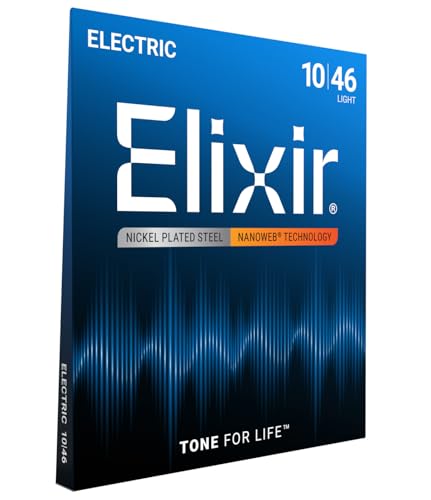
Best for players seeking long-lasting tone and corrosion resistance. Nanoweb coating provides a smooth feel and bright tone that remains vibrant longer than many uncoated sets. These strings are favored for live performances and studio work where tone consistency matters.
Who it’s best for: players who want extended tone life and a comfortable playing surface. Caution: coated strings can have a slightly different feel initially; some players may adapt over a few playing sessions.
Havendi Guitar Strings Electric 6-String

Best for players seeking German engineering and a durable setup. Havendi emphasizes durability, tuning stability, and ease of play, making it a solid choice for new players and performers who want a dependable, everyday string set. The 6-string package suits standard electric guitar configurations.
Who it’s best for: players who value stability, straightforward playability, and a German-design focus. Caution: coating or finish quality can vary by batch; verify consistency upon purchase.
Buying Guide: Key Purchase Considerations
- Gauge preference: Lighter gauges (9-42, 10-46) offer easier bending and faster play, while heavier gauges provide more tension and sustain but require more finger pressure.
- Coating vs. uncoated: Coated strings last longer and resist corrosion but can feel slick or slightly different from uncoated sets at first play. Uncoated sets offer a bright tone and traditional feel.
- Tonal character: Bright tone with strong upper harmonics is common with 9-42 and 10-46 sets (especially Slinkys). Warmer, fuller tones come from heavier gauges or coated strings.
- Playing style: Blues and lead players tend to favor lighter gauges for bending; blues-rock and metal players may prefer mid-range gauges for balance between feel and tone. Rhythm players often choose slightly heavier sets for sustain.
- Maintenance: Freshness and storage affect shelf life. Element Shield or similar packaging can help keep strings fresh longer between changes.
- Package options: Singles, 3-packs, and 6-string sets cover different repertoires—from single-guitar ownership to multiple instruments or backup stock.
FAQ
- What gauge should a beginner start with?
A beginner often starts with 9-42 or 10-46 for an easy transition and light bending effort. - Are coated strings worth the extra cost?
Coated strings last longer and resist corrosion, but may feel slightly different at first and cost more. - Which brand is most common among pros?
Brands like Ernie Ball Slinkys and Elixir Nanoweb are widely used by many professional players across genres. - Do string gauges affect intonation?
Gauge changes can subtly affect tension and tone, but proper setup and truss rod adjustments are typically enough to compensate. - How long should strings last?
Longevity depends on playing style, sweat, and environment; coated sets can last longer in humid or acidic conditions. - Is a 3-pack a good value?
Yes for players restringing multiple guitars or wanting backups; ensure proper storage to maintain freshness.