Best Exotic Wood Electric Guitars and Tonewoods for Crafting or Playing
Looking for exotic wood options that elevate tone, aesthetics, and build quality? This guide highlights five top picks that either deliver striking exotic wood guitars or provide premium tonewood blanks for custom builds. The list targets players seeking unique wood tones, luthiers planning DIY projects, and collectors who value visual flair. Each entry clarifies who it’s best for and why it stands out, plus a practical caveat to consider before buying.
Product Comparison Snapshot
| Product | Best For | Why It Stands Out |
|---|---|---|
| Yamaha TRBX174EW RTB 4-String Electric Bass Guitar With Exotic Wood Top | Bass players seeking exotic top aesthetics | Trusted Yamaha build with an exotic mango top for visual appeal and playability |
| 3-Piece Poplar Guitar Body Blank – 21″ x 14″ x 1-3/4″ | Luthiers and DIY builders | Planed and glued blank suitable for custom bodies |
| 3 Pieces Ambrosia Maple Electric Guitar Body Blank 21″ x 14″ x 2″ | DIY builders seeking tonal and visual richness | Kiln-dried, precision-cut, aesthetically matched grain |
| Exotic Wood Zone Guitar Body Blank 21″ x 14″ x 2″ (Sapele) | Luthiers wanting classic tonewood | Premium Sapele body blanks with planed finish |
| American Black Cherry Guitar Body Blank 21″ x 14″ x 1-3/4″ | Custom builders aiming for warm, resonant tone | Kiln-dried blank with recognizable cherry tones |
Yamaha TRBX174EW RTB 4-String Electric Bass Guitar With Exotic Wood Top

The Yamaha TRBX174EW RTB is a 4-string electric bass designed for players who want exotic wood visuals paired with reliable Yamaha electronics. Best for bassists who value a striking top and solid playability without sacrificing bass tone clarity. The exotic mango top adds a warm, refined veneer that complements modern stage and studio use. A caution: this model is a bass guitar, not a standard electric guitar, so players seeking regular guitar tuning and ergonomics should consider size and string spacing adjustments.
Exotic Wood Zone 3 Piece Electric Guitar Body Blank – 21″ x 14″ x 1-3/4″
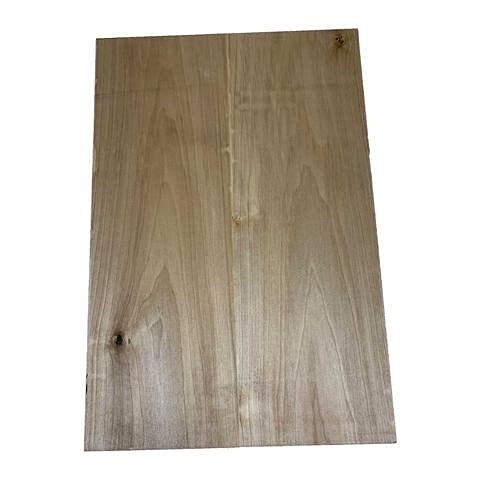
Best for DIY builders seeking a ready-to-work guitar body blank, this 3-piece poplar blank is planed and glued for straightforward bonding and shaping. It suits luthier projects where a balanced, plain-blade cut and stable work piece are desired. The main limitation is that it’s a blank: finishing, routing, and hardware installation are required by the user. Choose this if you want a reliable, cost-effective base to craft a personalized electric guitar body.
3 Pieces Ambrosia Maple Electric Guitar Body Blank 21″ x 14″ x 2″
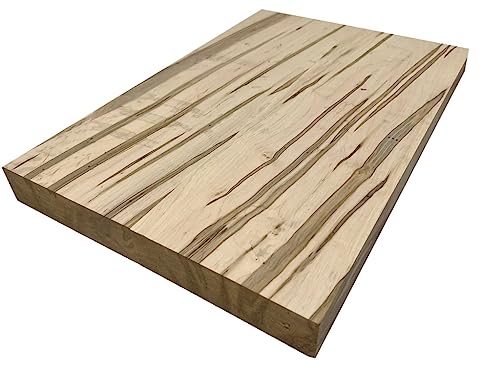
Best for builders who want warm, resonant tone with premium appearance, these Ambrosia Maple blanks are kiln-dried and precision-cut. The three-piece composition supports strong glue joints and consistent playability across guitar bodies or hollow-body projects. A caveat: unplaned versions may require additional surface work to achieve perfect bonding, depending on project needs.
Exotic Wood Zone Guitar Body Blank 21″ x 14″ x 2″ – Sapele

Best for those chasing a classic tonewood look, this Sapele body blank delivers solid midrange warmth and a traditional feel. It’s a three-piece glued block that’s planed to a smooth finish. Best for experienced builders who want predictable density and a proven tonewood. Limitations include potential grain and color variation between pieces, which can affect final appearance in a monochrome finish.
Exotic Wood Zone American Black Cherry Guitar Body Blank – 1-3/4″ Thick

Best for builders seeking a warm, rich tonal character and a familiar cherry visual. These kiln-dried blanks come as a two-piece glued block, planed to a consistent 1-3/4″ thickness for stable building. A caution: wood color can vary, so plan your finish and hardware to harmonize with the cherry tones if you require uniform appearance across the guitar body.
Exotic Wood Zone | Yellow Poplar Electric/Bass Body Blanks – 3 Pieces

Best for cost-conscious builders who still want a clean, even blank for either guitar or bass bodies, these planed 3-piece Yellow Poplar blanks arrive unguided for final shaping. The wood is straightforward to work with and ideal for beginners or practice pieces. A limitation is that color and grain can be less dramatic compared with exotic hardwoods, which affects the finished look.
Buying Guide: Key Considerations For Exotic Wood Guitars And Tonewoods
What should you examine when choosing exotic woods for guitars or build projects?
- Wood type and tonal potential: Different species like Sapele, Ambrosia Maple, and Padauk offer distinct midrange warmth, brightness, or sustain. Match to your desired sound profile.
- Moisture content and stability: Kiln-dried blanks resist warping and improve bonding. Drying methods impact stability over time.
- Grain pattern and aesthetics: Exotic woods give unique visuals—consider finished look, color consistency, and grain alignment with your hardware and pickups.
- Workability and compatibility: Some blanks are planed; others require more milling. Ensure your tools and jigs suit the wood thickness and glue joints.
- Quantity and project scope: Three-piece blanks provide strong joins for larger bodies; plan for waste and cutting strategies.
- Finish considerations: Some woods absorb finishes differently; test samples to anticipate color depth and transparency results.
- Best use case: Decide between buying a ready-made exotic guitar (for quick use) or a tonewood blank (for custom builds).
Frequently Asked Questions
- What is the benefit of exotic wood tops on guitars?
– Exotic tops add distinctive visuals and can subtly influence timbre by changing vibration patterns in the body. - Are tonewood blanks suitable for beginners?
– Yes, but expect additional shaping, routing, and finishing steps typical of DIY guitar projects. - Is Sapele a good substitute for mahogany?
– Yes, Sapele provides similar midrange warmth and good sustain, often at a lower cost. - Do kiln-dried blanks warp less than unseasoned woods?
– Generally, kiln-dried wood is more stable and less prone to warping when properly stored and sealed. - Can I use any wood blank for an electric guitar?
– Most blanks are designed for guitar bodies, but hardware routing and thickness compatibility should be considered for each project. - Should I choose a bass with an exotic top or a standard guitar for a unique look?
– A bass with an exotic top appeals to players seeking a distinctive stage presence; standard guitars offer broader compatibility for typical guitar setups.