
Best German Made Bass Guitars for Serious Players and Collectors
Looking for a German-made bass guitar that delivers tone, build quality, and playability? This guide highlights five standout options suited for pro players, collectors, and serious hobbyists who value craftsmanship, design, and lasting value. Each pick has distinct strengths, from boutique Sadowsky electrics to robust Warwick performance. The summary table below helps you compare at a glance.
| Product | Brand | Best For | Why It Stands Out |
|---|---|---|---|
| Warwick Pro Series Thumb BO 5-string | Warwick | Pro players seeking a flexible, modern 5-string | Ovangkol body/neck, 2-band preamp, active J pickups |
| Sadowsky MetroLine 21-fret Vintage J/J | Sadowsky | Jazz-rock players who want boutique vibe | Active electronics, alder body, Pau Ferro fingerboard |
| Ibanez GSRM20BS MiKro 4-string | Ibanez | Beginner to intermediate players seeking compact scale | 4-string, poplar body, Jatoba fingerboard |
| ESP LTD B-205 5-string | ESP Guitars | Metal and hard rock players | Spalted maple top, two humbuckers, 5-piece neck |
| Gretsch Streamliner Jet Club | Gretsch | Versatile modern player with punchy tone | Streamliner pickups, 30” scale, comfortable neck |
Warwick Pro Series Thumb BO 5-string Bass

The Warwick Pro Series Thumb BO 5-string Bass features an Ovangkol body and neck, delivering a balanced, mid-focused voice ideal for modern funk, rock, and fusion styles. It includes a 2-band preamp and two active J-style stacked-coil pickups for dynamic tonal shaping. Best for players who need a versatile, stage-ready bass with clear low B strings and aggressive midrange, plus a natural satin finish for a tactile feel. Caution: Heavy wood tones may require setup adjustments for drop tunings.
Sadowsky MetroLine 21-fret Vintage J/J Bass

The Sadowsky MetroLine Vintage J/J offers active electronics with a 21-fret range, alder body, and a Pau Ferro fingerboard. Its premium build suits jazz, fusion, and funk players seeking expressive, articulate tone with strong note definition across the fretboard. Best for performers who value boutique aesthetics and refined sustain. Limitation: Higher price point and longer lead times typical of boutique lines.
GLARRY Full Size Electric Bass Beginner Kit
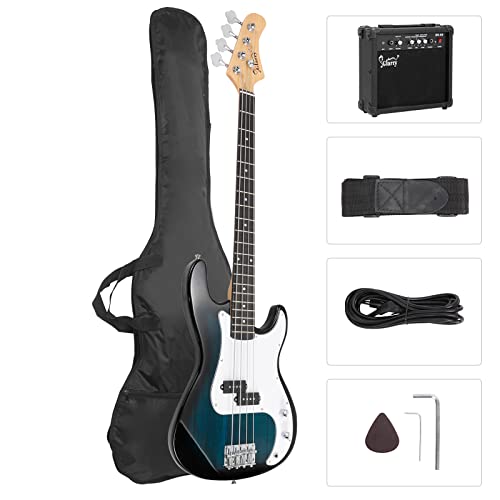
The GLARRY 4-string bass is a beginner-friendly option with basswood body, rosewood bridge, and fuller string tension. The kit includes a 20W amp and essential accessories, making it a practical start for learners. Best for beginners or players seeking a complete starter setup at an affordable entry point. Caution: Weight and neck feel vary; ensure proper setup for comfort during longer practice sessions.
Ibanez GSRM20BS MiKro – Brown Sunburst

The Ibanez GSRM20BS MiKro is a compact 4-string bass with a poplar body and Jatoba fingerboard. Its smaller scale is ideal for beginners, players with petite hands, or those seeking quick transitions between chords. Best for players prioritizing portability and affordability. Limitation: Reduced string count and scale length can affect deeper tonal options for some genres.
Sadowsky MetroLine 21-fret Hybrid P/J Bass

The Sadowsky MetroLine Hybrid P/J Bass combines a P/J pickup configuration with active electronics, featuring a swamp ash body and a solid dark lake placid blue finish. This model targets players who want the punch of a split-coil P pickup and the clarity of a bridge J pickup. Best for versatile stage tones across rock, funk, and pop. Caution: The hybrid setup may require careful EQ to balance the two pickup voices.
Buying Guide
What should you consider when selecting a German-made bass?
- Body and neck construction: Look for tonewoods, neck-through or bolt-on designs, and tight tolerances that influence sustain and stability.
- Electronic configuration: Active vs passive electronics, pickup arrangement (P, J, or humbucker), and preamp controls affect tone versatility.
- Scale length and string tension: Longer scales offer tighter lows; shorter scales improve playability for beginners or players with lighter touch.
- Playability and comfort: Neck profile, fingerboard radius, and weight impact long sessions and stage comfort.
- Intended genre and use-case: Jazz, funk, rock, metal, or studio work may steer you toward different pickup layouts and tonal ranges.
- Budget and availability: Boutique German-made basses may have longer lead times or higher prices; consider available alternatives if timing matters.
Practical buyer considerations by scenario:
- Pro stage player: Prioritize versatile electronics, stable necks, and dependable build like the Warwick or Sadowsky lines.
- Collector or boutique enthusiast: Sadowsky MetroLine models offer distinctive finishes and premium appointments.
- Beginner or student: Affordable kits like GLARRY or Ibanez MiKro provide ease of playability and immediate results.
- Metal or hard rock focus: ESP LTD B-205 delivers aggressive pickups and thick tonal options.
- Jazz-funk crossover: P/J configurations provide balanced, musical tones suitable for varied styles.
Frequently Asked Questions
- What makes German-made bass guitars special?
German manufacturing emphasizes precision, enduring hardware, and consistent setup, which appeals to players seeking reliable long-term performance.
- Are boutique brands always more expensive?
Typically yes, due to materials, craftsmanship, and limited production runs; consider budget-friendly models that still meet your tone goals.
- What pickup configuration is best for versatility?
A P/J or dual J configuration often provides a broad tonal palette suitable for many genres.
- Should beginners buy German-made basses?
It depends on budget and goals; entry-level German models exist but non-German options may provide better value for beginners.
- Is scale length important for comfort?
Yes. Shorter scales are easier to play for beginners or players with smaller hands, while longer scales offer tighter low-end for heavier styles.
- Do German-made basses hold value?
Quality construction and limited production can contribute to value retention, especially for boutique lines.