
Best Guitar Amp Head Cabinet Options for Home Studios and Stages
Looking for the right guitar amp head cabinet to pair with your head or mini head? This guide highlights five suitable options that balance tone, portability, and durability. Each pick is best for a specific setup—from compact practice rigs to stage-ready configurations—so you can choose the cabinet that best matches your amp head and playing style.
Summary table of selected products
| Product | Best For | Key Benefit |
|---|---|---|
| Monoprice 1×12 Cabinet | Stage-ready 30W head users | Vintage Celestion V30 tone with rugged build |
| JOYO Zombie-II BanTamp XL 20W | Small rigs with pedal-heavy tones | Flexible two-channel control, portable |
| JOYO BanTamp XL 8″ Cabinet | Mini amps needing a compact cabinet | Genuine Celestion Eight 15 for tight response |
| Tc electronic BH250 Bass Head | Bass players needing compact head | 250W with TonePrint and portability |
| Randall RX120RH Head | High-wattage guitar rigs | Two-channel versatility and built-in voicing |
Monoprice 1×12 Guitar Cabinet With Celestion Vintage 30

The Monoprice 1×12 cabinet uses a Celestion Vintage 30 speaker, favored for its classic rock and midrange bite. It’s designed to pair with a 30W Stage Right head, making it a strong choice for small to mid-size gigs or studio work. Best for players chasing iconic rock tones with solid projection and reliability.
- Best for: Players using a 30W head seeking a signature Celestion V30 character.
- Why selected: The V30 pairing is a longstanding choice for aggressive rhythms and singing leads.
- Caution: Only as loud as a 30W setup allows; consider pairing with a suitable head.
JOYO Zombie-II BanTamp XL Series Mini Amp Head 20W Hybrid Tube
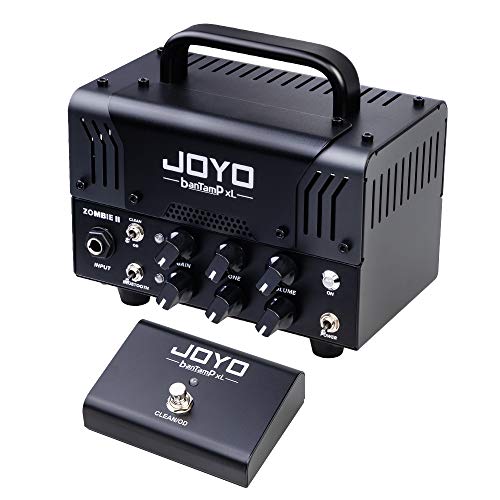
This 20W mini head emphasizes channel switching and tonal flexibility with two channels and six knobs. It excels as a compact, pedal-friendly platform for players who frequently swap tones and use overdrive pedals. Best for practice spaces, home studios, and small gigs where portability matters.
- Best for: Players who want quick channel access and pedal-friendly dynamics.
- Why selected: Strong low-volume performance with big-amp feel.
- Caution: May require an external speaker for full power and depth on certain tones.
JOYO Passive Guitar Speaker Cabinet 20W 8Ω

This 8Ω closed-back cabinet features a genuine Celestion Eight 15 1×8″ speaker, designed to complement JOYO BanTamp mini heads and other compact amps. It provides focused tone with solid lows and clear highs, suitable for rock, blues, and home studios. Best for compact setups that still demand authentic cabinet feel.
- Best for: Mini amp heads needing an accurate cabinet response.
- Why selected: Closed-back design improves projection and note definition.
- Caution: Limited low-end depth compared to larger cabinets.
Tc electronic BH250 Bass Head

The BH250 is a portable 250-watt bass head designed for stage and studio use, featuring a TonePrint knob for signature effects from renowned players. It’s ideal for bassists who value a compact footprint without compromising on power or tone shaping. Best for small to mid-sized venues and recording sessions.
- Best for: Bass players needing a compact, feature-rich head.
- Why selected: Combines portability with advanced tone-shaping capabilities.
- Caution: Intended for bass frequencies; compatibility with guitar cabinets should be planned accordingly.
AA AUDIO ACCESSORY Speaker Cable 1/4 Inch 3.3ft

Quality speaker cables matter for clean signal transfer. This 3.3-foot, 12 AWG, triple-shielded cable features silver-soldered connections and rugged construction to minimize noise and signal loss. Best for users who want reliable, interference-free connectivity between amp heads and cabinets.
- Best for: Clean, steady signal transmission in any rig.
- Why selected: Triple shielding and solid soldering improve reliability.
- Caution: Short length limits placement options for larger rigs.
JOYO Jackman II BanTamp XL Series Mini Amp Head 20W
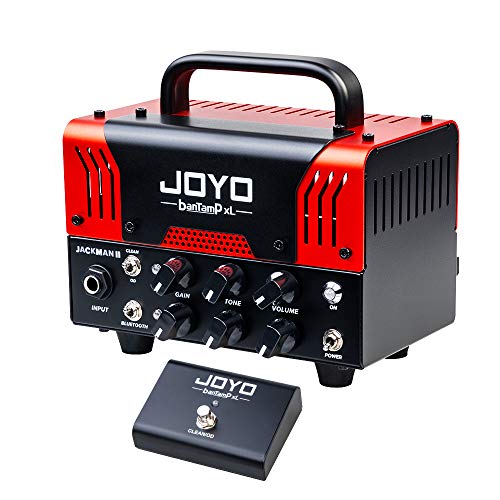
The Jackman II provides a classic mid-gain drive response with a clean pedal foundation. It’s ideal for players who want a versatile mini head that works well with pedalboards and can serve as a compact practice or rehearsal solution. Best for players who value pedal interaction and dynamic response.
- Best for: Pedal-friendly mini head rigs.
- Why selected: Delivers dynamic response with a strong clean platform.
- Caution: Like other mini heads, it benefits from a larger cabinet in louder scenarios.
Randall RX Series RX120RH Head

The Randall RX120RH offers 120 watts with two channels and built-in voicing options. This head is suitable for players seeking punchy, flexible tones for a variety of styles, from cleans to high-gain crunch. Best for mid-sized gigs where more wattage and tonal control are required.
- Best for: Musicians needing a two-channel, versatile stage head.
- Why selected: Clear voicing controls enhance adaptability across genres.
- Caution: Higher wattage requires compatible cabinets to avoid overdriving cabinets.
BOSS Katana Cabinet 212

The Katana Cabinet 212 accompanies the Katana-Head amp and features two custom 12-inch speakers. It emphasizes rugged durability and broad tonal range, from sparkling cleans to heavy tones. Best for players who want a versatile two-speaker cab to pair with a Katana head or similar high-gain setups.
- Best for: Katana head users or any rig needing strong bass response and punchy mids.
- Why selected: Two 12-inch speakers deliver a full, powerful sound with good projection.
- Caution: Heavier than smaller cabinets; ensure transport options fit your setup.
Buying Guide: Key Considerations For Choosing A Guitar Amp Head Cabinet
- Speaker size and type: Larger speakers deliver deeper bass and bigger stage presence; vintage Celestion V30s offer midrange bite.
- Impedance matching: Align cabinet impedance with your amp head (commonly 8Ω or 16Ω) to avoid power mismatches.
- Cabinet construction: Look for rugged corners, durable coverings, and reliable hardware for stage use.
- Portability vs. tone: Smaller cabinets are easier to transport but may sacrifice low-end fullness; choose based on venue needs.
- Closed-back vs open-back: Closed-back cabinets tend to project more aggressively with tighter bass; open-back can offer more spread and resonance.
- Cable considerations: Use high-quality shielded speaker cables to minimize noise and signal loss.
- Compatibility with heads: Some cabinets are designed to pair with specific mini heads; verify where intended use aligns with your rig.
FAQ
- What is a guitar amp head cabinet?
A guitar amp head cabinet is a speaker cabinet designed to be used with an amp head, housing one or more speakers to project the amp’s output.
- Do cabinet impedance and head impedance need to match?
Yes. Matching impedance (ohms) ensures proper power transfer and prevents potential damage to the head or speaker.
- Is a 1×12 cabinet sufficient for gigs?
For small to medium venues, a 1×12 can be sufficient with the right head and pedals; larger venues may benefit from 2×12 or bigger.
- What’s the benefit of a closed-back cabinet?
Closed-back cabinets provide tighter bass and more focused projection, which can help cut through the mix on stage.
- Should I buy a dedicated cabinet for each amp head?
Not necessarily. A versatile cabinet that handles multiple heads can simplify gear, but ensure impedance, power handling, and tone suit each head.
- Are mini amp head cabinets suitable for recording?
Yes, especially when paired with the right mic and room treatment; they’re convenient for compact, mobile recording setups.