
Best Guitar Speakers for Metal: Aggressive Tones for High-Gain Play
Answering the question, these picks focus on speakers that deliver tight bass, harsh highs, and responsive mids ideal for metal guitar tones. The top options suit players building high-gain rigs, stage rigs, or studio setups who want cutting projection and precise articulation. Best for metal players seeking punchy low end and aggressive attack, with clear highs that cut through dense mixes. The list includes 5 options that balance modern metal aggressiveness with studio- and stage-ready tone.
Summary of chosen products
- Eminence Karnivore 8 Ohm – aggressive highs, tight bass, 60W
- Eminence Karnivore 16 Ohm – same voice, different impedance for flexible cab matching
- Celestion VT Junior 8 Ohm – compact, clear highs and mid presence
- Celestion Ten 30 – classic bright 10″ option for tight, articulate metal tones
- Fender Champion II 25 – 8″ amp speaker in a versatile practice amp with metal-friendly voicings
Eminence Karnivore 8 Ohm – 60W Ceramic Magnet

Impedance: 8 Ohm • Power: 60W • Magnet: Ceramic • Size: 12 inch. Built for modern metal guitar, this speaker emphasizes aggressive highs and crushing lows with tight bass and strong mids. The open surround supports more movement for sizzling highs that cut through loud high-gain mixes, ideal for lead tones or heavy rhythm work in metal or rock contexts.
Best for: Metal players needing a punchy, focused low end and aggressive highs that stay articulate in dense mixes. This is a solid choice for stage or studio rigs where aggressive, cutting presence is priority.
Caution: The ceramic magnet design emphasizes tight bass, but you might want a matching cabinet with controlled dispersion to avoid overly bright reflections in small rooms.
Eminence Karnivore 12-Inch 16 Ohm – 60W Ceramic Magnet
Impedance: 16 Ohm • Power: 60W • Magnet: Ceramic • Size: 12 inch. This variant shares the Karnivore family’s modern metal design, delivering aggressive highs and strong mids with tight bass for heavy riffs. The higher impedance provides flexibility in cab wiring and multi-speaker setups, while preserving the same tonal character as the 8 Ohm version.
Best for: Players who want the Karnivore voice but need 16 Ohm compatibility for larger cabs or specific amp/cab configurations. Choose this if you’re wiring a multi-speaker rig and want consistent metal-forward tone.
Caution: Impedance matching is crucial; using the wrong cabinet or amp head pairing can underutilize the speaker’s potential. Ensure cab and head are designed for 16 Ohm loads.
Celestion VT Junior Guitar Speaker, 8 Ohm

General specifications include: 8 Ohm impedance, typical 50–55W power handling range for many small to mid-sized combos, sensitivity around 95dB, and a frequency range that supports clear mids and articulate highs. The VT Junior uses a ceramic magnet with a robust chassis, designed to produce a balanced, punchy response suitable for aggressive metal tones while still remaining suitable for a variety of genres.
Best for: Guitarists seeking a compact, reliable upgrade that preserves vocal-like mids with bright highs, aiding precision in fast palm-muted riffs and tight chug patterns.
Caution: Some metal players may find it lacks the extreme upper-highs of higher-efficiency, higher-frequency designs in larger cabinets. Pair with appropriate preamp gain to avoid muddiness in complex riffs.
Celestion Ten 30 Guitar Speaker
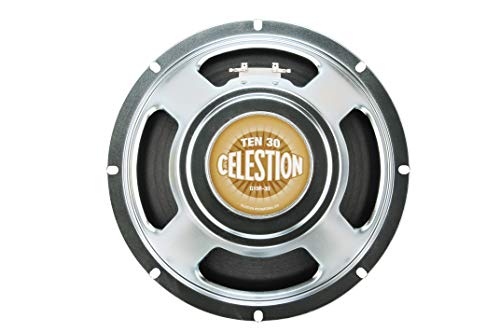
Size: 10 inch • Tone: Full-bodied with warmer lows, vocal mid-range, and articulate highs. The Ten 30 is a classic choice for compact recording amps and practice amps, offering solid metal-friendly presence without excessive brightness that can fatigue over long sessions.
Best for: Players prioritizing a balanced, expressive 10″ option that can still deliver cutting rhythm tones and clear lead lines in tight, controlled environments.
Limitation: For extremely high-gain settings, some players may prefer larger formats or speakers designed specifically for maximal high-end extension; this is a versatile compromise option.
Fender Champion II 25 Electric Guitar Amplifier

Built-in: 25W combo amp with an 8″ speaker, multiple amp voicings, and built-in effects (reverb, delay, chorus). It includes USB and Aux in for practice and recording. While a full amp, not a standalone guitar speaker, the Champion II is frequently used by metal players for practice and small-stage tones, offering metal-friendly voicings and punchy character in a portable package.
Best for: Beginners or players seeking an affordable, portable metal-friendly practice rig with flexible tones and effects. It’s a convenient all-in-one option for home studios or small stages.
Limitation: Not a standalone speaker; for cab-based metal rigs, consider dedicated speakers and a head or pedal platform beyond the built-in cab.
Buying Guide: Key Considerations For Metal Guitar Speakers
What should you consider when choosing a speaker for metal tones? Focus on how the speaker handles tight bass, aggressive highs, and strong mids, as well as how it fits into your cabinet or amp setup.
- Impedance and cabinet compatibility: 8Ω vs 16Ω affects how you wire multiple speakers and which head you can pair with. Match impedance to your amplifier and cab to maximize headroom and tone.
- Power handling: Look for a rating that exceeds your peak output to avoid early breakup. Metal tones often push amps hard, so higher headroom can preserve articulation and dynamics.
- Speaker size and voice: 8″ and 10″ speakers offer different dispersion, headroom, and feel. 12″ speakers provide broader low-end focus; choose the size that suits your rig and room.
- Magnet type and tone character: Ceramic magnets tend toward tighter bass and aggressive transients, while alnico magnets can impart different dynamics. For modern metal, ceramic often favors punch and cut.
- Response range and sensitivity: Higher sensitivity helps your signal cut through loud mixes, but consider the total system in your cab and stage volume.
- Pairing with amps and cabs: Some metal tones benefit from pairing a bright, aggressive speaker with an amp preamp that emphasizes gain and mid presence. Use a cabinet that complements the speaker’s voice for your preferred metal subgenre.
- Application: For practice, studio tracking, or live stages, consider whether you want a dedicated guitar speaker in a cab or an amp with a built-in speaker and effects.
Frequently Asked Questions
- What speaker size is best for metal guitars?
- 12″ speakers often provide strong lows and cutting mids, but 8″ and 10″ options can be effective in compact rigs. Choose based on cabinet size and room acoustics.
- Is 8 Ohm or 16 Ohm better for metal setups?
- 8 Ohm is common for single-cab setups and many heads, while 16 Ohm can be advantageous for larger multi-speaker rigs. Match to your amp’s design.
- Should I choose ceramic or other magnet types?
- Ceramic magnets typically provide tighter bass and aggressive transients, which suits heavy riffs and high-gain tones. Alnico can offer different dynamics and warmth.
- Can I use an amp with built-in speaker for metal?
- Yes, for practice or small gigs. For stage-level tones, a dedicated external cabinet with appropriate speakers may yield better projection and control.
- What should I look for in a metal guitar speaker?
- Aggressive highs, tight bass, strong mids, good headroom, impedance compatibility, and a speaker voice that complements your amp and playing style.
- Are these speakers suitable for studio recording?
- Yes, several options offer studio-grade tone with clear projection and controlled dynamics, helping metal performances sit well in dense mixes.