
Best Headphone Jack Splitter for Mic and Audio: Top 5 Picks for PC and Laptop
If you need to connect a headset with separate mic and audio jacks to a computer or laptop, a headphone jack splitter is essential. This guide highlights five reliable options that work well for VOIP, online gaming, and remote work. The best choices are suitable for gamers, remote workers, students, and casual users who want clear mic input and high-quality audio without signals loss. Each product is evaluated for compatibility, durability, and ease of use, with clear guidance on who should pick which model.
Quick reference buying table (selected products):
- D & K Exclusives Headphone Splitter — Best for travel and on-the-go setups
- ienza Headset Splitter Adapter — Best for universal CTIA headsets and gaming
- UGREEN Headphone Splitter — Best for durability and 24K gold-plated reliability
- KINGTOP 3.5mm Splitter — Best for PS4/Xbox and laptop compatibility
- MillSO Headphone Splitter — Best for CTIA-compatible devices and VOIP apps
D & K Exclusives Headphone Splitter For PC
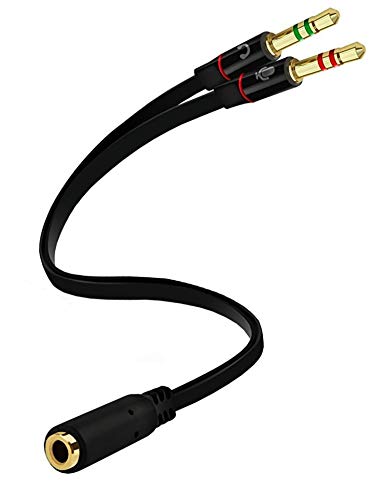
This 3.5mm Y-splitter connects a headset with separate audio and microphone jacks to a PC or laptop. It is ideal for VOIP applications such as Skype, MSN Messenger, Yahoo, Google Voice, and more. The adapter uses gold-plated connectors and oxygen-free copper for better conductivity and durability. Its compact design makes it easy to carry in a laptop bag. Best for travelers and remote workers who need reliable PC mic and audio connections on the go.
Best for: Users needing a portable PC headset adapter for VOIP and basic audio plus mic splitting.
Limitation: May require compatible CTIA/TRRS headsets; check your device’s jack standard before use.
ienza Headset Headphone Splitter Adapter Cable

This 4-pole CTIA-compatible Y-splitter has two 3.5mm male outputs for separate mic and audio. It supports common gaming headsets from major brands and is suitable for PC and console connections, as well as mobile devices. Best for: Gamers and multi-platform users who need a straightforward mic and audio split from a single 3.5mm jack.
Limitation: Some headsets with non-CTIA standards may not provide microphone compatibility; verify your headset standard before purchasing.
UGREEN Headphone Splitter for Computer
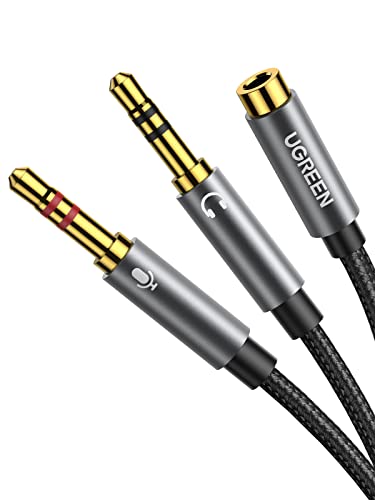
UGREEN’s splitter offers 2-to-1 mic and headphone output with polished 24K gold-plated connectors and oxygen-free copper wiring. It maintains original sound quality and is built with an aluminum alloy body for durability. Best for: Users who value higher durability and better signal integrity for VOIP, online meetings, and gaming.
Limitation: Proper mic output requires a 3.5mm CTIA-compliant TRRS cable; other standards may not work as expected.
KINGTOP 3.5mm Headphone Mic Splitter

KingTop’s adapter is a classic 1-to-2 splitter with 24K gold-plated connectors and TRRS configuration. It supports PC gaming headsets, PS4, Xbox One, Switch controllers, and newer laptops. Best for: Players who need a compact splitter that works across major gaming platforms and consoles.
Limitation: Some larger desktop mic setups may require higher-quality cables for optimal performance; consider the length and quality of your headset cable.
Maeline Headphone Splitter Adapter
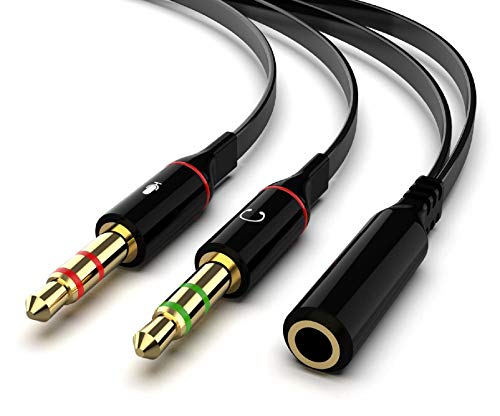
Maeline’s 3.5mm mic audio Y adapter splits a headset’s audio and microphone to PC or laptop connections. It uses polished 24K gold-plated connectors and a robust aluminum housing with nylon braided cable for durability. Best for: Users who want a durable, easy-to-use splitter with enhanced durability for daily use and long-lasting connection.
Limitation: Not all non-CTIA devices may work perfectly; verify compatibility with your headset’s plug standard before buying.
Buying Guide
What should you consider when choosing a headphone jack splitter for mic and audio?
- Compatibility: Check CTIA vs OMTP standards and whether the splitter supports TRRS or separate mic and audio jacks. This determines whether your headset’s microphone will work.
- Platform and devices: Consider where you will use the splitter most—PCs, laptops, PS4, Xbox, Nintendo Switch, or mobile devices—and select a model that lists those platforms.
- Durability and build: Look for gold-plated connectors, oxygen-free copper wires, and braided or aluminum housings for longer life, especially if you travel or move frequently.
- Sound quality and signal integrity: Gold-plated connectors and quality wiring help minimize noise and signal loss, which is important for clear mic input and audio output.
- Cable length and portability: Shorter cables are generally more portable; longer cables offer flexibility but may add tangling risk.
- Ease of use: A simple plug-and-play design with a stable fit reduces setup complexity and mic or audio dropouts during calls or gaming.
Frequently Asked Questions
- Do all headphone splitters work with any headset? Not necessarily. Some headsets use non-CTIA standards, and some devices require TRRS compatibility. Check the product notes for compatibility.
- Can a splitter cause mic delay or low audio quality? Quality build and proper compatibility reduce delays and maintain sound clarity. Look for gold-plated connectors and oxygen-free copper wiring.
- Is a 2-to-1 splitter better for gaming headsets? If your headset has a single combined jack, you need a CTIA-compatible splitter; if your headset already has separate mic and audio plugs, you may need a simple RS splitter.
- Will a splitter work with consoles like PS4 or Xbox? Many splitters are compatible with consoles that use a single 3.5mm jack for mic and audio, but verify platform compatibility in product details.
- Do I need a powered splitter? Most splitters are passive and do not require power. If your setup includes long cable runs or low-signal devices, a powered adapter might help maintain audio quality.
- What is CTIA and OMTP? They are different wiring standards for 3.5mm jacks. CTIA is the more common standard in newer devices and headsets and is generally recommended for compatibility.