
A headphone mic audio Y splitter connects a single 3.5 mm headset plug to separate headphone and microphone jacks, or shares one audio source with two headsets, depending on its wiring. For a headset with one plug and a computer with separate audio and mic ports, the UGREEN is best for buyers who want a clearly specified CTIA connection; the ienza is a good fit for buyers seeking a short adapter with listed gaming-headset compatibility. The IIISOGNO serves a different purpose: sharing audio and mic connections between two headsets.
| Product | Best For | Connection Purpose |
|---|---|---|
| UGREEN Headphone Splitter | Durability details and CTIA guidance | One headset to separate PC audio and mic jacks |
| ienza Headset Splitter | Listed gaming-headset compatibility | One headset to separate PC audio and mic jacks |
| D & K Exclusives Store Splitter | Portable PC headset connection | One headset to separate PC audio and mic jacks |
| Bordsek Headphone Mic Splitter | CTIA headsets and plug-and-play use | One headset to separate PC audio and mic jacks |
| IIISOGNO TRRS Splitter | Sharing audio and mic with two headsets | One device to two headset connections |
UGREEN Headphone Splitter For Computer

The UGREEN adapter is designed to connect a 4-pole 3.5 mm TRRS headset to a computer or laptop with separate headphone and microphone jacks. Its female headset connection branches into two male plugs, one for sound and one for mic input. The listed uses include online gaming, calls, classes, and meetings.
Best for: Buyers who want a PC headset adapter with explicit connector-standard guidance and construction details. The product information specifies that microphone output requires a CTIA-compliant TRRS headset cable; OMTP or other standards may not provide mic function.
- Gold-plated connectors and oxygen-free copper are listed for audio transmission.
- The cable has an aluminum-alloy casing and a nylon-braided jacket.
- The maker states that the cable passed more than 10,000 bending tests.
Limitation: Check the headset’s wiring standard before buying. The listed guidance warns that a non-CTIA headset may not send microphone audio through this adapter.
ienza Gaming Headset Y-Splitter

The ienza Y-splitter converts a four-pole CTIA TRRS headset plug into separate 3.5 mm microphone and audio plugs for a PC. Its product details name gaming headsets from brands including Astro, Turtle Beach, HyperX, SteelSeries, Razer, Sennheiser, and Sades. It is also described for headsets used with PS4, Xbox One, Switch, and smartphones when connecting to a computer with separate ports.
Best for: Buyers who want a simple PC adapter and find their headset among the listed examples. The cable is described as 8 inches (20 cm), a short length that may suit a desk setup or a compact kit.
Why it stands out: The product description makes the intended direction clear: one four-pole headset connection branches to separate computer microphone and headphone connectors.
Limitation: The listed compatibility is for CTIA TRRS headsets. Confirm the headset plug standard and the computer’s separate-port layout before ordering; the adapter is not described as a USB audio device.
D & K Exclusives Store PC Headset Adapter

This adapter is made to connect a newer headset with one 3.5 mm audio-and-microphone plug to a PC or laptop with separate headphone and mic jacks. The product listing identifies VOIP and chat applications as uses. Its two male connectors are assigned to the computer’s headphone and microphone ports.
Best for: Buyers looking for a basic, portable headset-to-PC cable for voice chat, calls, or similar computer use. The listing describes a compact design intended to be carried in a laptop bag.
- One female 3.5 mm headset port branches into two male 3.5 mm plugs.
- The listed cable uses gold-plated connectors and oxygen-free copper.
- The described purpose is to connect headset audio and microphone channels to separate computer ports.
Limitation: The product details do not specify a headset wiring standard. If microphone compatibility is important, verify that the headset and adapter use a compatible TRRS arrangement before purchasing.
Bordsek Headphone Mic Splitter For PC
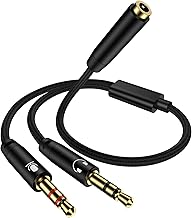
The Bordsek adapter splits a headset connection into two 3.5 mm male plugs for separate microphone and headphone jacks. The description says it works with most CTIA-standard TRRS headphones and names examples such as Turtle Beach, HyperX, Razer, Bose, and Sennheiser models. It is described as plug-and-play and does not require an app or extra drive.
Best for: Buyers with a CTIA headset who want a straightforward cable adapter for a computer or other listed equipment. Its stated use and connector layout make it a practical option for separating mic and audio signals from one headset plug.
The listing describes gold-plated contacts and identifies several headset and computer examples, including some gaming headsets and a ThinkPad T400. Use those examples as a starting point, but confirm the actual ports and headset wiring for your setup.
Limitation: The maker notes that the microphone will not work with Apple original earphones and Beats headphones. The listing also emphasizes CTIA compatibility, so it may not suit every headset standard.
IIISOGNO Two-Headset TRRS Splitter

This IIISOGNO cable has a different job from the PC adapters above. It takes one 3.5 mm source connection and provides two female headset connections, allowing two TRRS headsets to share audio and microphone functions at the same time. The listing describes it for phones, tablets, laptops, computers, game consoles, and other 3.5 mm TRRS devices.
Best for: Two people who want to listen or communicate through headsets connected to one device. It is the relevant choice when “splitter” means one source shared by two headsets, rather than a single headset plug divided into separate computer mic and headphone ports.
The listing says TRS headphones or speakers can be used for sound only. For microphone use, it calls for headsets with TRRS plugs and built-in microphones. Gold-plated connectors are also listed.
Limitation: This is not the right cable for connecting one headset to a desktop’s separate mic and headphone jacks. Check the direction of the split before buying.
Buying Guide: How To Choose A Headphone Mic Audio Y Splitter
What connection are you trying to make?
Start by identifying the number and type of ports at each end. A headset-to-PC adapter has one female 3.5 mm socket for the headset and two male plugs for separate computer audio and microphone jacks. A sharing splitter works in the opposite practical direction: one source connects to two headset sockets. These cable types are not interchangeable just because both have a Y shape.
Does your headset have one plug or two?
A headset with one 3.5 mm plug carrying both sound and microphone signals generally needs a headset-to-PC splitter when the computer has separate audio-out and mic-in jacks. A headset with two separate plugs may already match those computer ports and may not need this type of adapter. Check the number of black insulating rings on the plug and the device documentation if you are unsure about its wiring.
Why does TRRS and CTIA compatibility matter?
TRRS refers to a plug with four contact sections that can carry left audio, right audio, ground, and microphone signals. CTIA is a common wiring arrangement, but not every headset follows the same standard. The UGREEN, ienza, and Bordsek listings specifically refer to CTIA compatibility or CTIA requirements. A mismatch can leave the headphones working while the microphone does not.
Will it work with a laptop that has one combo jack?
A laptop with a single combo headset jack may accept a headset with one compatible TRRS plug directly, so a dual-male PC splitter may not be needed. The products in this comparison that branch to two male plugs are intended for separate audio and microphone ports. Check the laptop’s port layout and the adapter’s stated direction before choosing a cable.
What should I check for gaming and voice calls?
Confirm that the microphone plug is connected to the computer’s mic-in port and the headphone plug is connected to its audio-out port. Also check that the headset has a built-in microphone and a compatible plug standard. A passive splitter does not add a microphone to headphones that lack one, and these listed products are analog 3.5 mm adapters rather than USB audio interfaces.
Do cable materials and length matter?
For a cable that will be moved or packed regularly, look for construction details such as a braided jacket or reinforced casing. UGREEN lists an aluminum-alloy casing and braided jacket, while the D & K listing emphasizes compact portability. A short cable can reduce excess slack at a desk, but your setup may need more distance between the headset and computer ports.
| Buyer Need | What To Look For |
|---|---|
| One headset to separate PC ports | One TRRS female socket and two male plugs labeled for headphone and microphone |
| Two people sharing one device | One source plug and two headset sockets with the desired mic support |
| Microphone compatibility | TRRS headset support and the correct wiring standard, such as CTIA |
| Simple computer use | Confirm the computer has separate audio-out and mic-in ports |
Frequently Asked Questions
What does a headphone and mic Y splitter do?
A headset-to-PC Y splitter separates audio and microphone signals from one compatible 3.5 mm headset plug into two plugs. One connects to headphone output and the other to microphone input.
Can a headphone splitter make a microphone work?
It can route a compatible headset microphone signal to a separate mic port, but it cannot add a microphone or fix every wiring mismatch. The headset must have a mic and use a compatible TRRS standard.
Are all 3.5 mm Y splitters the same?
No. Some split one headset plug into separate audio and mic plugs. Others connect one source to two headsets. Match the cable’s input and output arrangement to your devices.
Can I use a TRRS headset on a computer with separate jacks?
Yes, when the headset and adapter wiring are compatible and the adapter’s two plugs are connected to the computer’s corresponding headphone and mic ports.
Will a splitter work with ordinary headphones?
Headphones without a microphone can generally provide audio through a compatible audio connection, but they cannot send microphone input. The IIISOGNO listing specifically describes TRS headphones as sound-only use.