
Best Headphones for Live Mixing: Precision Monitoring for DJs and Studios
Looking for headphones that deliver precise monitoring for live mixing? This guide highlights five reliable options that suit DJs, studio engineers, and music producers. Each pick emphasizes clear mids and highs, strong bass, and comfort for long sessions. The top picks are best for small-to-mid size studio setups, live performances, and home studios where accurate interpretation of the mix matters most.
Summary of chosen products
| Product | Best For | Key Benefit |
|---|---|---|
| Audio-Technica ATH-M20x | Budget-conscious studios | Balanced sound with sturdy build |
| OneOdio A71 Hi-Res | DJ mixing and monitoring | Hi-Res sound with wired reliability |
| MAONO MH700 | Pro-level monitoring | 50mm drivers with closed-back design |
| FIFINE HD8 | Professional recording and mixing | Wide frequency range for detailed monitoring |
| OneOdio A71D | DJing and live sessions | Single-sided monitoring and comfort |
Audio-Technica ATH-M20x Professional Studio Headphones

Best for: Beginners to intermediate mixers who need reliable, neutral monitoring without a high price tag. These work well for tracking and mixing in small studios or home setups. The 40 mm drivers with rare earth magnets and copper clad aluminum voice coils help deliver a balanced low-end and clear highs, suitable for assessing bass presence in live mixes.
Why chosen: The ATH-M20x emphasizes build quality and engineered sound tuned for studio tasks. It is a straightforward, durable option that minimizes coloration so you can trust your mix decisions.
Caution: Lacks wireless convenience; the wired connection requires proximity to your audio source.
OneOdio A71 Hi-Res Wired Over-Ear Studio Headphones

Best for: DJs and studio users who want robust wired reliability with Hi-Res capability. The 40 mm drivers provide detailed sound with strong bass and clear highs, making it a solid pick for monitoring live mixes and studio tracks alike.
Why chosen: Built for monitor-style listening with comfortable padding and an adjustable headband, it supports extended sessions. The wired design ensures uninterrupted operation for precision work.
Caution: Cable management is important; ensure the included cords are used to preserve optimal signal integrity.
MAONO MH700 Wired Studio Headphones

Best for: Professionals who need detailed, balanced sound with comfortable long-session wear. The closed-back design helps isolate external noise, aiding critical listening during live monitoring and studio sessions.
Why chosen: The MH700 uses premium 50 mm drivers to deliver rich bass and clear highs with minimal distortion, supporting accurate monitoring during DJing, recording, and mixing tasks.
Caution: Ensure compatibility with your interface’s impedance range; some devices may require adapters for certain output jacks.
FIFINE HD8 Wired Studio Monitor Headphones

Best for: Engineers and musicians who need an affordable yet capable monitor headphone for live mixing and recording. The 50 mm drivers and a frequency range of 20 Hz to 20 kHz support detailed monitoring across bass, mids, and highs.
Why chosen: The closed-back, circumaural design provides decent noise isolation and a comfortable listening experience during lengthy sessions.
Caution: While isolation is solid, closed-back designs can slightly alter perceived space; compare with open-back options if you require a wider soundstage for stereo imaging.
OneOdio A71D Wired Over-Ear Headphones
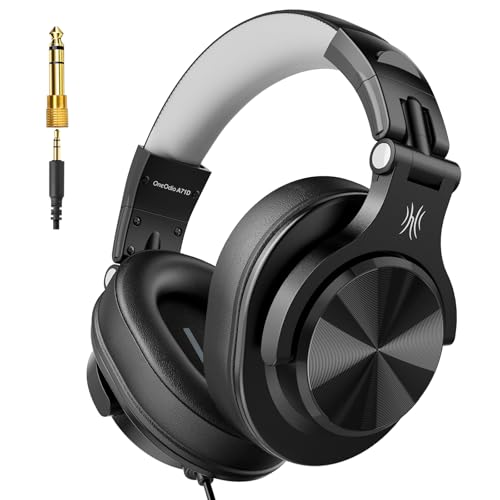
Best for: Live DJs and studio users who require reliable single-sided monitoring for cueing and dubbing during performances or sessions. The 90° swiveling ear cups support easy one-ear monitoring.
Why chosen: Studio-grade sound, comfortable padding, and a foldable design make the A71D suitable for travel and on-the-go monitoring, while still providing solid sound for mixing tasks.
Caution: The focus on single-sided monitoring can be less ideal for stereo-critical tasks; pair with a second headphone for full-stereo checks if needed.
Buying Guide: Key Purchase Considerations
- Monitoring vs. casual listening: Choose closed-back, over-ear designs for isolation and accurate monitoring in live environments.
- Driver size and type: 40–50 mm drivers are common; larger drivers can deliver deeper bass but may feel heavier. Look for neodymium magnets for efficient power handling.
- Impedance and sensitivity: Lower impedance is easier to drive by portable devices; higher impedance may require a dedicated audio interface or mixer for best results.
- Comfort and durability: Long sessions demand padded ear cups, an adjustable headband, and a sturdy build. Consider weight and clamping force.
- Cable configuration: Wired headphones avoid battery dependence and latency. Detachable cables can extend lifespan and versatility.
- One-ear vs. both-ear monitoring: For live mixing, single-ear monitoring can be convenient, but dual-ear monitoring aids stereo checks during mix decisions.
- Portability: Consider foldable designs if you travel for gigs or mobile studios.
FAQ
- What makes a good headphone for live mixing?
A: Accurate frequency response, comfortable long-wear design, good isolation, and reliable interconnections are essential for precise monitoring during live sessions. - Should I choose wired or wireless for live mixing?
A: Wired headphones are preferred for consistent latency and uninterrupted monitoring during performances and studio work. - Are closed-back headphones better for live mixing?
A: Yes, closed-back designs generally offer better isolation and control over your mix in noisy environments. - Can I use DJ headphones for studio monitoring?
A: Many DJ headphones work well for monitoring, but look for models with flat or neutral tuning to avoid skewed bass or highs that could mislead your mix decisions. - Do I need a high-end headphone for mastering?
A: Not strictly; accuracy and comfort matter more than raw price. If possible, pair with reference monitors or a high-quality interface for best results.