Best Headphones for Snowboard Helmet: Top Picks for Safe, Sound-on-the-Slope
Looking for snowboard helmet headphones that blend secure fit, glove-friendly controls, and reliable Bluetooth? This guide highlights five top options that work with audio-ready helmets and keep you aware of your surroundings. Each pick targets different rider needs—from best battery life to strongest noise handling—so you can choose confidently. Below, compare how each model suits freestyle riders, all-mikers, and long-hike enthusiasts. A quick table summarizes key points for fast decisions.
| Product | Best For | Why It Stands Out |
|---|---|---|
| Origem Ski Helmet Speakers | All-mountain riders seeking stable Bluetooth 6.0 | Long battery life, easy glove controls, HDR audio |
| OutdoorMaster Update Ski Helmet Headphones | Snowboarders needing fast pairing and HDR sound | 40mm drivers, Bluetooth 5.3, compact HD audio |
| OutdoorMaster Wireless 5.3 Ski Helmet Headphones | Riders who want built-in mic and easy control | Built-in mic, glove-friendly buttons, reliable range |
| M Jiuyunmu Outdoor Ski Helmet Speakers | Budget-conscious riders who want solid battery life | Long listening time, simple control, wide compatibility |
| ALECK Snow Series Core | Helmet users prioritizing open-ear awareness | Open-ear design, standard earpocket fit, easy calls |
Origem Ski Helmet Speakers Review

Origem uses Bluetooth 6.0 for a stable connection up to ten meters, ideal for riders who move between chairlifts and open slopes. The glove-friendly button system lets you adjust volume, skip tracks, or answer calls without removing gloves. HDR audio aims to enhance lows and highs for a clearer on-mountain soundtrack. Best for riders who want minimal dropouts and long listening time on and off the lift. Caution: Exclusive design for ski helmets; not suitable for motorcycle helmets.
OutdoorMaster Update Ski Helmet Headphones

OutdoorMaster Update combines 40mm drivers with Bluetooth 5.3 and HDR audio to deliver a balanced on-slope sound. The large glove-friendly button ensures quick control during runs, and the kit is designed to fit most audio-ready helmets. Best for riders who prioritize a robust Bluetooth pair with reliable mic performance for calls or voice assistants. Limitation: Some users may experience occasional pairing delays in very crowded environments.
OutdoorMaster 5.3 Ski Helmet Drop-in Headphones
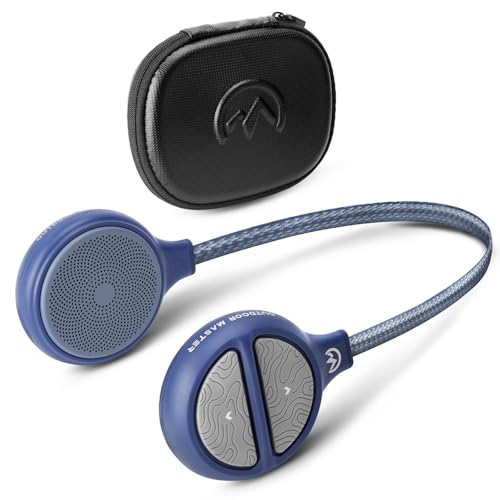
This model uses Bluetooth 5.3 with a built-in microphone and glove-friendly controls. The design emphasizes easy installation into most audio-ready helmets and supports hands-free calls. Best for riders who want a straightforward setup with reliable battery performance. Caution: Slightly bulkier control module may feel bulky to those preferring ultra-low-profile systems.
M Jiuyunmu Ski Helmet Speakers

Jiuyunmu uses Bluetooth 5.3 with a longer listening window and a simple button layout designed for use with gloves. It supports up to ten meters of connectivity and claims high volume levels, making it suitable for noisy resorts. Best for budget-focused buyers who still want dependable on-slope audio. Limitation: Claims about wind noise reduction depend on helmet fit and terrain.
ALECK Snow Series Core

Aleck’s Snow Series Core emphasizes open-ear audio with 40mm drivers and dedicated Bluetooth chips. The design supports easy access to calls and music without obstructing awareness of surroundings. Best for riders who value situational awareness and glove-friendly dual-button control. Caution: Ensure your helmet has removable ear pads for the best fit before purchasing.
Buying Guide: Key Considerations For Snow Sports Headphones
Choosing the right snowboard helmet headphones depends on fit, safety, and usability on the mountain. Consider these factors to compare options quickly:
- Compatibility: Confirm your helmet model supports audio-ready ear pockets or open-ear modules. Some brands are optimized for Smith, Giro, Anon, or Bolle pockets.
- Bluetooth Version: Higher versions (6.0) offer more stable connections and longer range; 5.3 is common and reliable.
- Control Design: Look for glove-friendly buttons and simple layouts to minimize fiddling in cold weather.
- Battery Life: Longer playback and talk times reduce recharging on multi-day trips; check charging case efficiency if included.
- Audio Quality: HDR or open-ear design can affect clarity and environmental awareness. Consider your noise environment on the slopes.
- Microphone Quality: Built-in mics are important for calls and voice assistants, particularly in windy or noisy conditions.
- Water and Sweat Resistance: IP45 or higher indicates better resistance to snow and sweat during intense runs.
Frequently Asked Questions
- Are helmet speakers better than wired earphones for snowboarding?
– Yes, helmet speakers reduce wind noise and keep your ears free, improving situational awareness while staying hands-free on the slopes. - Do these headphones work with all helmets?
– They fit many audio-ready helmets and ear-pocket designs, but always verify compatibility with your specific helmet model. - Will Bluetooth audio drain battery quickly during snowboarding?
– Battery life depends on usage and volume, but models listed offer several hours of listening with charging options. - Can I use these with non-ski activities like biking or motorcycling?
– Some models are designed for multiple outdoor activities, but check manufacturer guidance to ensure compatibility with non-snow equipment. - Do open-ear designs compromise safety?
– Open-ear modules aim to preserve ambient awareness, but fit and position influence effectiveness on awareness; ensure proper placement in the helmet. - Is there a recommended maintenance routine for helmet speakers?
– Keep the ear pockets clean, avoid soaking components, and dry thoroughly after exposure to snow or rain.