
Best in-Ear Drum Monitors for Musicians and Audiophiles
Answering the demand for portable, stage-ready drivers, these in-ear monitors (IEMs) deliver precision, isolation, and comfort. This guide highlights five popular options, detailing who each is best for and why they stand out. Ideal buyers include live performers, studio engineers, and music lovers seeking professional sound in a compact setup.
Summary table of selected products:
| Product | Brand | Best For | Key Strength |
|---|---|---|---|
| Linsoul KZ ZS10 Pro | Linsoul | Musicians and gamers seeking bright highs | Hybrid 4BA + 1DD with upgraded drivers |
| CCZ Yinyoo Melody | YINYOO | Comfort-focused performers | Ergonomic tips, light design, detachable cable |
| BASN Bmaster | BASN | Stage musicians needing isolation | Three drivers with secure fit |
| DCMEKA A09 Dual Drivers | DCMEKA | Best for budget-conscious studios | Detachable MMCX cable, secure fit |
| KZ ZST Pro X | YINYOO | Gamers and FPS players | Hybrid 1BA + 1DD with game-ready imaging |
Linsoul KZ ZS10 Pro — 4BA+1DD Hybrid IEM

The Linsoul KZ ZS10 Pro blends four balanced armatures with one dynamic driver, delivering bright, extended highs and a cohesive overall sound. The stainless steel faceplate and resin cavity create a durable, premium look. The detachable gold-plated cable supports upgrades and reduces wear on the interface, benefiting players who swap cables often.
Who this is best for: Musicians and gamers who want a detailed, lively sound with extended treble and a robust midrange. The PCB division helps maximize driver performance for a smooth listening experience.
Why selected: This model Refines the earlier ZS10 with higher-frequency extension and improved construction. It suits listeners seeking an energetic, bright presentation with strong instrument separation.
Limitations: The sound signature leans bright; listeners who prefer dark presentations may want to consider alternatives with more mellow highs.
CCZ Yinyoo Melody In-Ear Monitors

The Yinyoo Melody emphasizes comfort and cable practicality. It features a PC cavity with UV varnish and ergonomic ear tips plus ear fins. A light build and wrap-around ear design help keep the IEM secure during performance. The 4N OFC cable provides better conductance and durability for live use.
Who this is best for: Performers who prioritize long-wear comfort and stable fit for stage tasks or studio sessions, especially those who value ergonomic design and detachable cables.
Why selected: It balances comfort with practical cable options and an unobtrusive form factor, making it a reliable choice for extended gigs.
Limitations: The focus on comfort and design may mean it sacrifices some extreme low-end presence found in bass-forward models.
BASN Bmaster Triple Drivers IEM
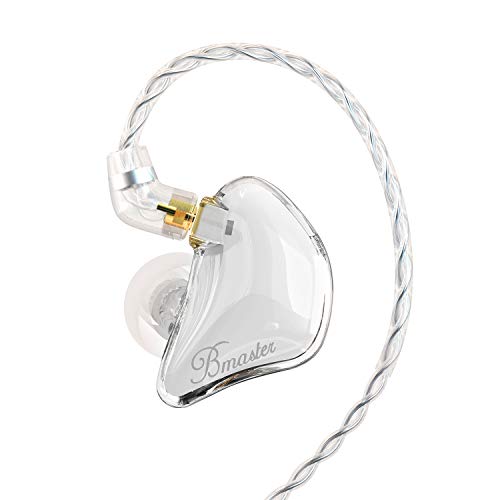
The BASN Bmaster uses multiple drivers to deliver a balanced, well-isolated sound for stage use. It emphasizes a strong low end while preserving clear midrange and crisp highs. The ergonomic design and secure fit suit performers who need reliable isolation during loud rehearsals or performances.
Who this is best for: Musicians and audio engineers who require solid stage isolation and a more balanced overall response without extreme coloration.
Why selected: It provides a practical balance of isolation, comfort, and driver-driven clarity at a favorable price point for professionals on a budget.
Limitations: The USB-like cable options are not universal, so checking compatibility with existing cables is recommended.
DCMEKA A09 Dual Driver IEM
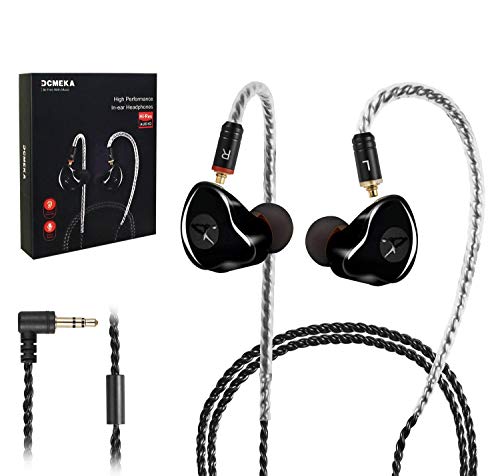
The DCMEKA A09 features dual drivers and a detachable MMCX cable, offering reliability and upgrade potential for performers who want easy cable swaps. The memory wire design improves all-day wearability, and the 3.5mm plug ensures compatibility with most devices. The build emphasizes long-term durability for live use.
Who this is best for: Budget-conscious studios, beginner-to-intermediate performers, and those who value replaceable cables and a secure fit for on-stage monitoring.
Why selected: It combines a simple, robust design with practical features like detachment and memory wire, supporting reliable daily use on stage or in rehearsal rooms.
Limitations: As a dual-driver entry, it may not deliver the same level of driver separation as higher-end multi-driver models.
KZ ZST Pro X In-Ear Monitor
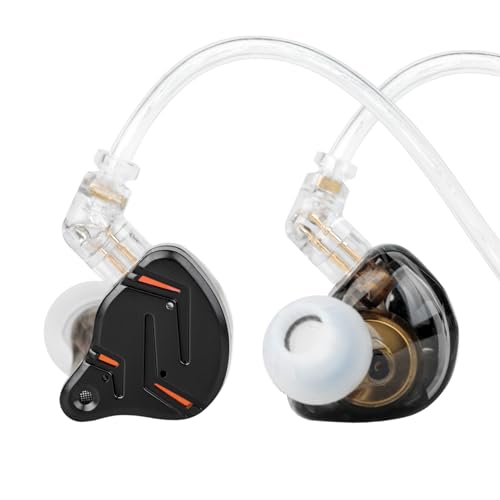
The KZ ZST Pro X is designed for gamers and musicians seeking precise imaging and fast transient response. Its 1BA + 1DD hybrid driver design helps deliver a punchy bass and articulate mids and highs. The 3.5mm plug supports broad device compatibility, while the standalone design aims for comfortable long sessions.
Who this is best for: FPS players and studio users who need accurate sound location and a responsive stage presence, especially when combined with a compatible DAC or audio interface.
Why selected: It emphasizes game-ready imaging and a compact, reliable form factor, making it a strong choice for those who value speed and precision in sound.
Limitations: The single BA may not deliver as much texture detail in upper treble as multi-BA configurations; expect a more direct sound character.
Buying Guide: Choosing The Right In-Ear Drum Monitors
What matters most: Driver configuration and sound signature
Driver count and type influence detail, bass response, and overall balance. For stage work, look for IEMs that maintain clear mids and controlled highs, with enough bass to support rhythm sections without overwhelming the mix.
Fit, comfort, and isolation
Long gigs require a secure fit and comfortable cavities. Ear tips, ear fins, and memory-wire cables help keep monitors in place and block stage noise. If you’re on long rehearsals, prioritize ergonomics and lightweight construction.
Detachable cables and upgrade potential
Detachable cables enable easy upgrades and repairs. MMCX or gold-plated connectors reduce wear on the plug and offer flexible routing. For performers, durability and easy replacement are critical.
Durability and build quality
Metal faceplates, resin bodies, and robust interconnection points prolong the life of stage monitors. A sturdy design minimizes failures during performances and studio sessions.
Compatibility and practical considerations
Choose IEMs with common 3.5mm or MMCX interfaces that fit your devices and cables. If you use wireless rigs, verify how well the IEMs integrate with your wireless pack and in-ear monitor mixer.
Isolation vs. leakage
High isolation helps performers hear themselves and the monitor mix clearly, especially in loud venues. Be mindful of inner-ear comfort to avoid fatigue from over-isolation during extended use.
FAQ
- What is an in-ear monitor and who uses them? An in-ear monitor is a small earpiece used by musicians, engineers, and audiophiles to hear a customized mix on stage or in studio.
- How important is a detachable cable? Detachable cables reduce wear at the plug, enable upgrades, and simplify replacement after wear or damage.
- Are multi-driver IEMs worth the extra price? They can offer improved detail and instrument separation, but the benefit depends on your listening priorities and budget.
- Which feature improves stage usability? Fit stability, isolation, and a robust, durable build help stage usability by reducing feedback and improving comfort.
- Can I use these with a smartphone? Yes, but consider impedance and compatibility with your playback device. Some professional IEMs shine best with dedicated DAC/amp setups.
- What should I consider before buying? Prioritize fit, isolation, driver configuration, cable quality, and compatibility with your gear to match your performance needs.