
Best in Ear Headphones for Singers: Top IEMs for Stage, Studio, and Practice
Finding the right in-ear monitor headphones helps singers hear themselves clearly on stage, in rehearsal, and during recording sessions. This guide highlights five solid options that balance sound quality, comfort, and durability. It’s ideal for vocalists, worship leaders, gigging musicians, and studio singers who need reliable isolation and accurate tonal balance. The products below are chosen for clear midrange, controlled bass, and a stable fit for long performances. A quick buyer’s table is provided to compare key strengths at a glance.
| Product | Best For | Notable Strength |
|---|---|---|
| CCA CRA In Ear Monitor | Singers who want clear vocals and deep bass | Ultra-thin diaphragm and upgraded dual magnetic driver |
| Linsoul KZ ZS10 Pro | Stage performers needing detailed sound | 4BA+1DD hybrid for dynamic highs and bright resolution |
| BASN Triple Drivers IEM | Musicians seeking secure fit and strong bass | Two dynamic + one balanced armature drivers |
| CCA C12 In Ear Monitors | Audiophiles and performers needing layered sound | 5BA + 1DD for wide soundstage |
| YINYOO Melody IEM | Comfort-focused performers | Lightweight with memory wire and detachable cable |
CCA CRA In Ear Monitor Headphones

Best for vocalists who want clean vocal separation and deep bass without overwhelming mids. These IEMs use an upgraded dual magnetic driver and an ultra-thin 3.8μ diaphragm to deliver fluid, natural transitions between frequencies. The ergonomic cavity and memory-foam hook reduce ear pressure during long performances, making them suitable for touring singers and DJ performances where comfort matters. A potential limitation is that the fit depends on ear shape, so trying multiple tips may be necessary for an optimal seal.
CCZ Yinyoo Melody In Ear Monitors

Best for performers who want a lightweight, comfortable fit with a detachable cable. The Yinyoo Melody approach emphasizes a comfortable shell design with a wrap-around ear hook and a 2-pin detachable connection. It’s well suited for singers and on-stage performers who value minimal ear fatigue and easy cable upgrades. A note: the documented features emphasize comfort and cable versatility; compatibility with aftermarket cables will depend on the 2-pin standard you choose.
Linsoul KZ ZS10 Pro

Best for performers seeking a detailed, energetic sound with extended high frequencies. The ZS10 Pro features a 4BA+1DD hybrid design and a premium stainless-steel faceplate. The detachable cable adds durability and upgrade potential, making it suitable for musicians who want a future-proof IEM. A limitation to consider is sensitivity to fit; some users may need different ear tips and a secure seal to avoid sound leakage during intense performances.
CCA C12 In Ear Monitor Headphones
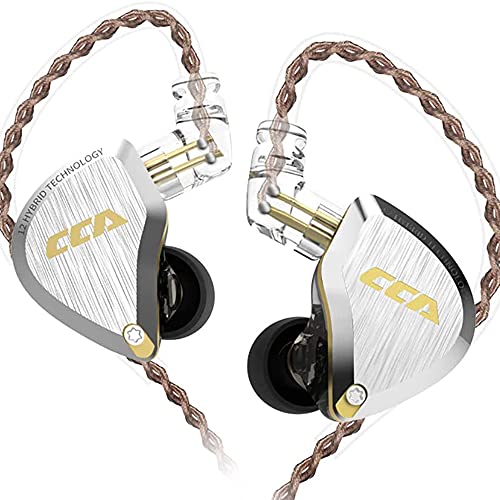
Best for audio enthusiasts and performers who desire a wide soundstage with rich layering. The C12 uses five balanced armatures plus one dynamic driver per side, delivering strong bass with clear highs and a detailed midrange. A detachable 8-strand low-impedance cable supports stability and ease of upgrading. Choose this if you want expansive imaging, but note that the tuning emphasizes warmth; it may be less ideal for listeners who prefer a super-bright top end.
BASN Triple Drivers IEM (White)
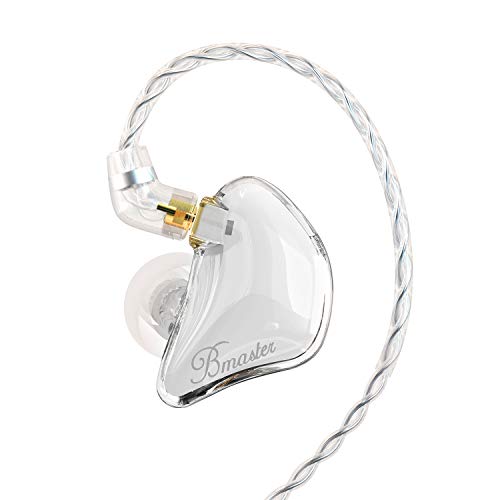
Best for singers and musicians who need strong bass without sacrificing midrange clarity. This triple-driver design features two dynamic drivers and one balanced armature for a balanced yet impactful sound. The ergonomic, lightweight fit helps during long practice sessions and live performances. One limitation could be the fit stability for ears that require a deeper insertion; testing different tips helps achieve isolation and a secure fit.
Buying Guide: Key Purchase Considerations For Singers
What should a singer look for in in-ear monitors? Comfort, isolation, and accurate sound reproduction are critical. Consider the driver configuration (balanced armatures vs dynamic or hybrids) to shape the vocal clarity and stage presence. Detachable cables are valuable for durability and easy upgrades. Cable compatibility and connector type matter for longevity on tour. Fit and comfort matter most when you’ll wear IEMs for hours, so try multiple tips and ear fin configurations if included.
What does “best for singers” mean in practice? It means a balanced midrange with clear vocal presence, controlled bass, and an open yet intimate soundstage. For stage use, isolation helps prevent feedback and keeps the monitor volume low while preserving detail. For studio singing, a wider soundstage and natural decay support accurate monitoring of vocal layering and harmonies. If you perform across genres, a flexible, hybrid design can cover a wider range of frequencies without over-emphasizing any one region.
How to evaluate comfort and wearability? Look for memory foam or soft silicone tips, wrap-around ear hooks, and lightweight shells. A 2-3 gram weight per earpiece is ideal for long sessions. Check if the design accommodates different ear shapes and if a variety of tip sizes are included. For touring, detachable cables with robust connectors are preferable to reduce wear on the connection point.
FAQ
- Which IEM is best for stage vocalists? A model with strong vocal clarity and good isolation, such as the CCA CRA or the Linsoul ZS10 Pro, is well-suited for stage vocalists who need to hear themselves clearly without excessive bass.
- Are detachable cables worth it for singers? Yes. Detachable cables allow cable upgrades and easier replacements after wear, which is valuable for frequent performers.
- What driver setup should I look for? A hybrid (BA+DD) design often offers detailed highs and solid bass, which helps singers hear harmonies while maintaining vocal clarity. Pure BA setups can be more analytical, while pure dynamic designs may deliver more warmth.
- How important is comfort for IEMs? Very important. Long rehearsals require a light, ergonomic design, memory wire, and multiple tip options to ensure a secure, pressure-free seal.
- Can I use these for everyday listening? Yes, most include standard 3.5mm connections and compatible cables, but they are primarily designed for monitoring and performance contexts.