
The best Japanese bamboo shakuhachi depends on whether you prioritize a specified key, a Kinko or Tozan mouthpiece style, or a traditional root-end design. The SUTILA D/E-key flute is the clearest choice when key options matter; the JIM Kinko and Kukyo Tozan models suit buyers comparing two traditional inlay styles. The Kukyo Kinko model adds stated tuning and care details, while the SUTILA 1.8 D-key model is a straightforward option when its listed specifications meet your needs.
| Product | Best For | Key Detail |
|---|---|---|
| SUTILA D/E Key Shakuhachi | Buyers comparing listed key options | Bamboo, five holes; D or E key |
| JIM Kinko-ryu 1.8 Shakuhachi | Players interested in Kinko-style inlay | Pentatonic design and root-end bell |
| Kukyo Tozan-ryu 1.8 Shakuhachi | Buyers comparing Tozan styling | Tozan inlay and five-hole layout |
| Kukyo Kinko-ryu 1.8 Shakuhachi | Buyers who value stated tuning details | Equal-temperament tuning listed as A=440 Hz |
| SUTILA 1.8 D-Key Shakuhachi | Buyers seeking a simple D-key specification | Bamboo and five holes |
SUTILA D/E Key Bamboo Shakuhachi

This SUTILA flute is a simple option for a buyer who wants a bamboo shakuhachi with a stated choice of D or E key. Its listed construction material is bamboo, and it has five holes. The product name identifies it as a Japanese-style, end-blown woodwind instrument.
Best for: Buyers who want to compare D and E key options before choosing. It was selected because its listing identifies both the material and key choices, which makes the basic specifications easy to assess.
Consider: The provided features do not specify a Kinko or Tozan style, tuning standard, length, or additional care items. Confirm the desired key and listing details before purchase.
JIM Kinko-Ryu 1.8 Shakuhachi

The JIM model is a traditional-style Kinko-ryu shakuhachi made from Madake bamboo, with binding and an organic root-end bell. The listing describes a 1.8 Japanese-foot length of 23.6 inches, four front finger holes, and one rear thumb hole. It is end-blown and tuned to a five-note pentatonic scale.
The mouthpiece is cut obliquely outward, with a small inlay at the blowing edge. The product description identifies the inlay as Kinko style and says Tozan inlay covers more of the blowing edge.
Best for: Buyers specifically comparing a Kinko-style mouthpiece and traditional root-end appearance. The listing also describes the instrument as suitable for different experience levels.
Consider: The description does not state a concert-pitch tuning standard, so buyers who need a particular tuning reference should verify it before choosing.
Kukyo Tozan-Ryu 1.8 Shakuhachi
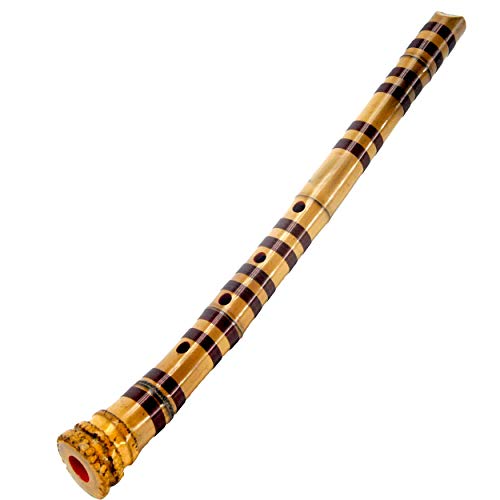
This Kukyo flute has a Tozan-style inlay, binding, and a natural root-end bell. Its stated length is 1.8 Japanese feet, or 23.6 inches. The listing specifies an end-blown design, a pentatonic five-note scale, four front finger holes, and one thumb hole on the back.
The product description says the Tozan inlay covers more of the blowing edge than the Kinko inlay. That distinction can help buyers choose between these two named styles without relying on appearance alone.
Best for: Buyers who prefer the described Tozan mouthpiece detail and want a five-hole bamboo instrument with a root-end bell. It was selected as a direct comparison to the Kinko-style options.
Consider: The provided features do not give a tuning frequency or a specific care accessory list. Check those details if they are important to your playing setup.
Kukyo Kinko-Ryu Shakuhachi With Tuning Details

This Kukyo Kinko-ryu model is described as a hand-bound shakuhachi with a curved natural bamboo root. Its mouthpiece has an outward-slanting cut and a small ox-horn inlay at the blowing edge. The listing states that this model is tuned to equal temperament at A=440 Hz, at a stated room temperature of 60°F / 20°C.
The product description also says a case and PE bag are included to help protect the flute in dry conditions. It recommends playing the instrument often to maintain humidity. These care notes make the listing more informative for buyers considering a bamboo instrument.
Best for: Buyers who want a Kinko-style design and an explicitly stated tuning reference. It was selected because its listing provides tuning and storage information not included in every product description here.
Consider: The listing itself notes cracking risk in very dry conditions. Bamboo care and storage deserve attention, particularly when indoor air is dry.
SUTILA 1.8 D-Key Shakuhachi
This SUTILA selection is the straightforward choice for a buyer whose priority is a listed D-key bamboo shakuhachi with five holes. The product information also identifies an E-key option, so the selected version and key should be confirmed in the product listing before ordering.
Best for: Buyers who want to begin with basic specifications rather than a stated school or inlay style. It was included as a simpler comparison against the more detailed Kinko-ryu and Tozan-ryu descriptions.
Consider: The supplied product details do not confirm a 1.8 length, root-end bell, tuning standard, or mouthpiece inlay. Do not assume those features from the title or from other models.
Buying Guide: How To Choose A Japanese Bamboo Shakuhachi
A shakuhachi is an end-blown Japanese flute. The listings here describe instruments with five holes: four finger holes on the front and one thumb hole on the back. Product descriptions may use terms such as Kinko-ryu, Tozan-ryu, pentatonic, root-end bell, and 1.8 length. Comparing those details helps narrow the options, but the information supplied by sellers varies.
Which key or tuning should you choose?
Start with the music you want to play and the tuning reference required by your ensemble or other instruments. One SUTILA listing identifies D and E key options, while the Kukyo Kinko listing states equal temperament at A=440 Hz under its described conditions. The JIM and Tozan product descriptions do not provide a tuning frequency in the supplied features.
A stated key and a stated tuning reference are not interchangeable details. If you need to play with other musicians, check the exact selected model and ask the seller to clarify any missing pitch information. Avoid assuming that similarly named or similarly sized flutes share the same tuning.
What is the difference between Kinko and Tozan styles?
The product descriptions distinguish the styles mainly by the blowing-edge inlay. The JIM and Kukyo Kinko models have a small inlay at the edge; the Tozan description says its inlay covers a bit more of the blowing edge. Choose according to the style you are seeking, and verify the model name in the listing.
These labels do not, on their own, establish how easy an instrument is to play or whether it will suit a particular player. Beginners should consider whether instruction or a teacher is available for the style they select. The listed claims that some models suit any level are seller descriptions, not a substitute for checking fit and playability.
Does 1.8 refer to a particular size?
The JIM and Kukyo Tozan listings describe 1.8 Japanese feet as 23.6 inches. The SUTILA product information provided here does not give a length. If physical size matters for reach, storage, or carrying, compare the exact model’s stated dimensions rather than applying the 1.8 measurement to every shakuhachi.
Why do some models have a natural root end?
The JIM and Kukyo Tozan descriptions identify a bell formed by the bamboo root stems. The Kukyo Kinko listing also describes a curved root. This is a construction and appearance detail that may appeal to buyers seeking a traditional organic form. It should not be treated as a guarantee of a particular sound or playing response.
What should you know about bamboo care?
Bamboo is a natural material, and the Kukyo Kinko listing specifically mentions cracking risk in very dry conditions. It includes a case and PE bag, which the description presents as protective storage items, and advises regular playing to maintain humidity. Follow any care instructions supplied with the exact flute and avoid exposing it to harsh changes in temperature or humidity.
Care details are not provided for every model in this comparison. Buyers should check whether storage accessories and maintenance guidance are included before purchasing. Do not assume that one seller’s care recommendations or included items apply to another product.
What product details should you verify before buying?
- Selected key: Confirm whether the listing offers D or E and which option is selected.
- Length: Check the physical measurement, especially if you are comparing a stated 1.8 model with a product that does not list a length.
- Hole layout: The detailed JIM and Kukyo Tozan descriptions specify four front holes and one rear thumb hole.
- Style: Confirm whether the model is described as Kinko-ryu or Tozan-ryu.
- Tuning: Look for an explicit tuning reference if you need to play with other instruments.
- Included items and care: Verify whether a case, bag, or care instructions are included with the exact product.
Frequently Asked Questions
What does “1.8” mean on a shakuhachi listing?
In the JIM and Kukyo Tozan listings, 1.8 Japanese feet is specified as 23.6 inches. Check each product description because not every listing supplied here states a length.
How many holes does a traditional shakuhachi have?
The detailed models in this comparison have five holes: four finger holes on the front and one thumb hole on the back.
Is a Kinko-style flute different from a Tozan-style flute?
The listings distinguish these styles by the blowing-edge inlay. The Tozan description says its inlay covers more of the blowing edge than the Kinko inlay.
Which flute lists A=440 Hz tuning?
The Kukyo Kinko-ryu listing states equal-temperament tuning at A=440 Hz, with a room-temperature condition also specified in its description.
Can bamboo shakuhachi crack?
The Kukyo Kinko listing notes that cracking can happen in very dry conditions. Check the care instructions for the exact flute and store it as directed.