
Best John Frusciante Style Wah Pedal for Electric Guitars
Answering the question most players ask when chasing John Frusciante-inspired wah tones: a 2-in-1 or dedicated wah pedal can deliver the classic vocal-like sweeps and expressive filter moves Frusciante uses on many RHCP tracks. This guide highlights five pedals that capture that era’s vibe, suited for stage performance or studio work. Whether you want a compact 2-in-1 or a pure dedicated wah, these picks balance tone, control, and practicality for American players chasing that iconic sound.
| Product | Best For | Why It Stands Out |
|---|---|---|
| EROK MP-6 2-in-1 Wah & Volume Pedal | Players needing space-saving versatility | Classic wah with active volume in one unit; clean tone preservation |
| JIM DUNLOP 535Q Multi-Wah | Players seeking wide tonal range | Six wah ranges, adjustable boost, pronounced edge control |
| SONICAKE Active Volume & Wah Pedal (VolWah) | Budget-conscious full-function pedal | 2-in-1 active volume and wah with compact build |
| Donner Mini Auto Wah Pedal | Envelope-filter lovers | Fast tracking auto-wah with decay and range controls |
| VOX V846 Vintage Wah-Wah | Purists chasing classic 1967 tones | Iconic design with premium components and authentic sound |
Note: These selections emphasize tonal versatility, reliability, and practical features common in John Frusciante’s gear approach. All options are suitable for players seeking classic vocal-like sweeps with modern usability.
EROK MP-6 2-in-1 Wah & Volume Pedal

Features: Compact 2-in-1 design; custom RM-type shielded inductor for noiseless wah; active volume circuit to preserve tone. Best for players who want a single pedal for both wah and volume control, saving pedalboard space. Caution: Power adapter is not included, so plan power supply accordingly. Choose this if you prefer fewer pedals while maintaining pure analog tone and reliable signal flow.
JIM DUNLOP 535Q Multi-Wah

Features: Versatile, six wah ranges; adjustable boost; variable Q control shapes response from vocal to smooth. Best for players who want precise tonal sculpting and a broader range of classic and modern wah textures. Better for performers who need quick, on-the-fly tonal changes during live sets. Limitation: Multiple moving parts can require more attention to calibration over time.
SONICAKE Active Volume & Wah Pedal (VolWah)
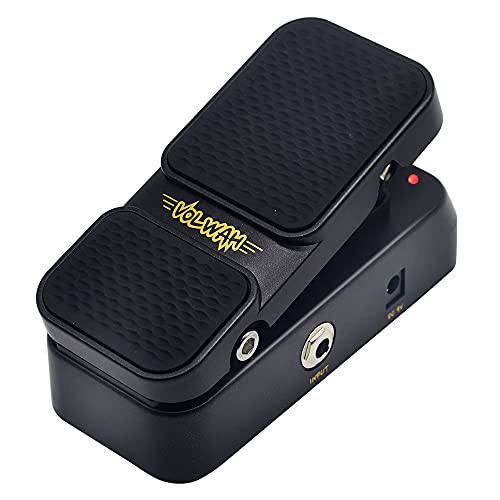
Features: 2-in-1 analog pedal with active volume and wah; lightweight yet robust; designed to combat impedance mismatch with proper TRS cabling. Best for players seeking a balance of classic wah tone and reliable volume control in a compact form. Choose this if you want a budget-friendly, full-featured solution without sacrificing analog warmth. Caution: Requires compatible cabling for smooth volume control; some users report sensitivity to exact pedal alignment.
Donner Mini Auto Wah Pedal
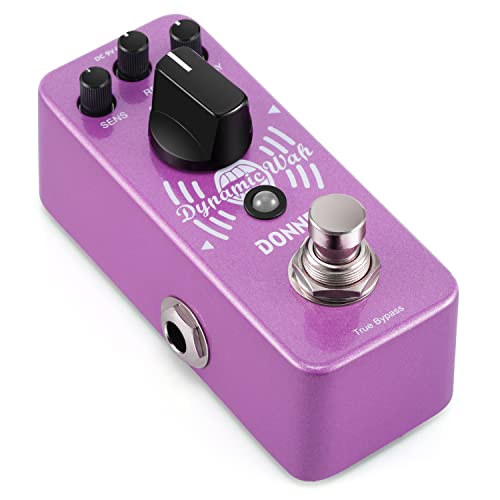
Features: Fully controllable envelope filter with decay; four knobs for sensitivity, filter sharpness, decay, and range; LED indicator and true bypass. Best for players who want a compact auto-wah with versatile envelope control for dynamic textures. Better for experimental sounds and funk-inspired sweeps. Limitation: Auto-wah may not provide the traditional manual wah sweeps found on classic pedals.
VOX V846 Vintage Wah-Wah
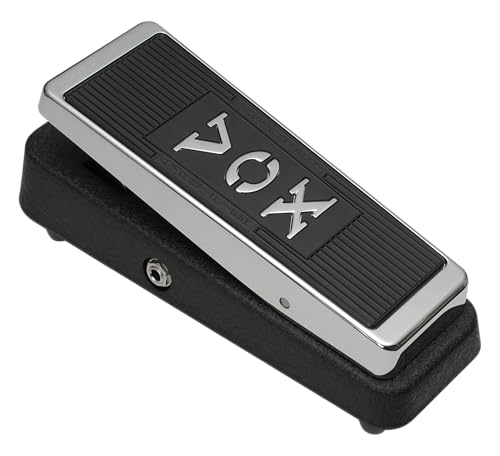
Features: Classic reissue of the 1967 V846; hand-selected components; 3D scanned chassis for authentic look and feel. Best for purists seeking the quintessential vintage voicing associated with the era Frusciante’s tones evoke. Choose this if you want the most faithful recreation of the classic wah voice. Limitation: Bulkier and potentially heavier than modern compact options; tone is strongly vintage-specified.
Caline CP-520 Wah/Volume

Features: Combines wah and volume in one compact pedal; uses LED indicators to show mode; toe-down/Wah and heel-down/Volume modes for versatile control. Best for players who want a dual-function solution without extra bulk. Choose this if you value quick mode switching and a straightforward control layout. Caution: Some users report sensitivity to tap-in volume changes during fast wah sweeps.
Buying Guide
What should you consider when choosing a John Frusciante style wah pedal?
- Purpose: Do you want a dedicated wah, a 2-in-1 pedal, or an auto-wah? The choice affects footprint, tone control, and applicability on stage.
- Tonality: Do you prefer vintage voicing, modern aggressive tones, or clean, transparent volume preservation? Pick a unit that aligns with your preferred flavor of the classic wah sound.
- Control layout: Are you comfortable with multiple knobs and ranges, or do you want a simplified, fast-access pedal? Range, Q, and decay settings influence responsiveness.
- Build and reliability: Are you gigging frequently? Look for sturdy construction, true bypass options, and shielded inductors for quiet operation.
- Power and cabling: Ensure you have compatible power supplies and TRS cables if the pedal relies on balanced connections or impedance matching.
- Size and compatibility: Pedalboard space matters. 2-in-1 designs save space, while full-size pedals may offer more precise control.
FAQ
- What makes a John Frusciante-inspired wah tone unique? – The vocal-like sweeps and expressive contouring, often achieved with smooth Q control and responsive pedal action.
- Is a 2-in-1 wah/volume pedal better than two separate pedals? – It saves space and can preserve signal integrity by reducing cables, but may limit independent control of each function.
- Does a vintage VOX V846 faithfully reproduce the classic era? – It is a faithful vintage recreation, favored by players seeking authentic tone and feel.
- What should I consider regarding power supply? – Power adapters and batteries must match the pedal’s requirements; some pedals do not include power adapters in packaging.
- Are auto-wah pedals suitable for John Frusciante-style playing? – Auto-wah provides dynamic filter effects that work well for funk and percussive tones but differ from traditional manual wah sweeps.
- Can I use a TRS cable with these pedals? – Some pedals benefit from TRS connections to prevent impedance mismatch and ensure smooth control of the volume function.