
For vocal recording with a large-diaphragm condenser microphone, the Melon Audio MA-87 is a ready-to-connect XLR option with accessories, while the RØDE NT1 Signature Series is a studio-focused choice with a shock mount, pop filter, and cable. The Logitech Blue Yeti suits buyers who prefer USB connectivity and multiple pickup patterns. The TINGUT and pizarra products are replacement-style capsules, not complete microphones, so they are for compatible microphone builds or repairs.
| Product | Best For | Type |
|---|---|---|
| Melon Audio MA-87 | Home-studio vocals with included accessories | XLR condenser microphone |
| RØDE NT1 Signature Series | Vocal recording and quiet studio work | XLR condenser microphone |
| Logitech Blue Yeti | USB recording, streaming, and meetings | USB condenser microphone |
| TINGUT 34 mm Core Capsule | Microphone repair or custom builds | Replacement capsule |
| pizarra 34 mm Capsule | Microphone projects requiring a capsule core | Replacement capsule |
Melon Audio MA-87 Studio Condenser Microphone

The Melon Audio MA-87 is an XLR large-diaphragm condenser microphone designed with vocal recording in mind. Its listed 26 mm cardioid capsule is described as providing a balanced low end, smooth midrange, and clear high frequencies. The cardioid pattern is intended to focus capture toward the front of the microphone rather than equally around it.
Best for: Home-studio singers and podcasters who want an XLR microphone with several basic recording accessories included. The package lists a shock mount, microphone cover pop filter, four-foot XLR cable, and mic bag, which can help simplify setup.
Important requirement: This microphone requires 48V phantom power, and the product information recommends an audio interface. Check that your recording equipment can supply phantom power before choosing it. The listed cable is four feet long, so consider whether that length suits your recording space.
RØDE NT1 Signature Series Condenser Microphone
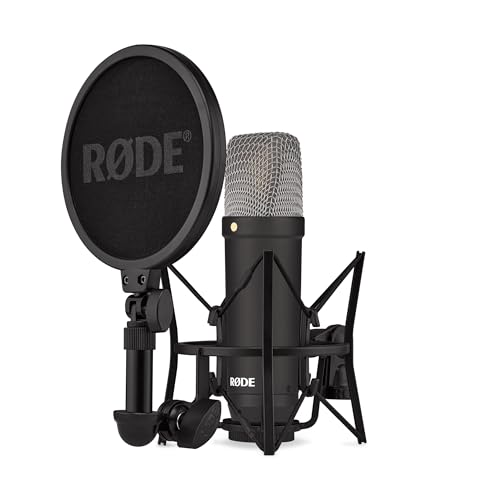
The RØDE NT1 Signature Series is a large-diaphragm studio condenser microphone intended for vocal and general studio recording. Its listed package includes a shock mount, pop filter, and XLR cable. RØDE describes the NT1 as having a long-standing studio voicing and very low self-noise, a relevant feature for capturing quiet sources or recording in a treated room.
Best for: Vocalists and home-studio users who want a full-size XLR microphone package and place value on low microphone self-noise. It is also a better fit than a USB desktop mic for buyers planning to use a separate interface-based recording chain.
Consider before buying: The product description says to add an interface to record. Unlike the Blue Yeti, this is not presented as a plug-and-play USB microphone. Confirm that your setup includes the necessary XLR connection and phantom power before purchase.
Logitech Blue Yeti USB Microphone

The Logitech Blue Yeti is a USB condenser microphone with a three-capsule array and four selectable pickup patterns: cardioid, omnidirectional, bidirectional, and stereo. Its listed uses include podcasting, streaming, video calls, music recording, and other computer-based recording. Blue VO!CE software offers vocal effects, modulation, and audio samples.
Best for: Creators who want a computer-connected microphone for streaming, podcasts, meetings, or varied recording arrangements. The four patterns make it more flexible for different source positions than a cardioid-only microphone, and its USB design avoids the separate XLR interface requirement described for the other complete microphones here.
Choose this if convenient computer use and pattern flexibility matter more than a traditional XLR studio setup. Its product information does not specify a large-diaphragm capsule measurement, so buyers specifically seeking a stated large capsule should compare it with the MA-87 or NT1 instead.
TINGUT 34 mm Core Capsule

The TINGUT product is a 34 mm gold-coated condenser microphone capsule, not a complete microphone. Its listing describes a smooth frequency response with detailed high-frequency response and a warm character. It is presented for vocals, traditional instruments, and general drum miking, but the listing does not provide a complete microphone body or setup package.
Best for: Experienced repairers, builders, or technicians who need a large-diameter capsule for a compatible condenser microphone project. It may be relevant when the capsule itself—not a ready-to-record microphone—is the specific part being sourced.
Caution: The product information does not identify the microphone models or circuitry it fits. Do not assume it will work as a drop-in replacement for a particular microphone. Confirm dimensions, mounting, wiring, and electrical compatibility before ordering.
pizarra 34 mm Diaphragm Capsule

The pizarra 34 mm product is a condenser microphone capsule core intended for a studio microphone project or replacement. Its listing gives a 34 mm (1.34-inch) diaphragm diameter and describes the capsule as designed for sensitive sound reproduction. It is a component rather than a complete microphone with a housing, cable, or recording connection.
Best for: Buyers who already have the technical knowledge and compatible microphone hardware needed to install a capsule core. The stated 34 mm diameter makes it relevant to searches for large condenser capsules, but diameter alone does not establish compatibility or recording performance.
Caution: The listing does not specify a supported microphone model, pickup pattern, or installation instructions. Choose it only after verifying the required capsule dimensions and electrical design for the intended microphone.
Buying Guide: Choosing a Large Capsule Condenser Microphone
Do you need a complete microphone or just a capsule?
A complete microphone includes the body and the connections needed to send audio to recording equipment. The MA-87, NT1 Signature Series, and Blue Yeti are complete microphones. The TINGUT and pizarra listings are capsule components. A capsule alone cannot be treated as a ready-to-record microphone; it needs compatible mounting, electronics, and a suitable microphone assembly.
For most singers, podcasters, and new home-studio users, a complete microphone is the more direct choice. A replacement capsule is appropriate when repairing or building equipment and when its technical fit has been verified. Do not select a component solely because its diameter matches a microphone’s advertised capsule size.
Should you choose USB or XLR?
A USB microphone connects to a computer through USB and can reduce the number of separate audio components needed. The Blue Yeti is the USB choice in this selection. Its four pickup patterns support different recording arrangements, including solo recording and multiple sound sources around the microphone.
XLR microphones are better suited to buyers who have, or plan to use, an audio interface or other compatible recording equipment. The MA-87 specifically requires 48V phantom power, and the NT1 listing says to add an interface. Check the input type and power requirements of your equipment before buying an XLR condenser microphone.
Which pickup pattern fits your recording space?
The MA-87 is listed as cardioid, a practical pattern for a solo speaker or singer positioned in front of the microphone. The Blue Yeti offers cardioid, omni, bidirectional, and stereo patterns, providing more options for different source arrangements. The capsule listings do not specify a pickup pattern, so confirm technical details before using either in a build.
In a room with background noise, a directional pattern can help focus the microphone toward the intended source, but it does not eliminate room sound. Microphone placement and the recording environment still affect the result. For interviews or group recording, compare the required pattern and microphone positions before choosing.
What accessories should you check?
Included accessories can make setup easier, but they do not replace the need for compatible recording equipment. The MA-87 package lists a shock mount, cover pop filter, four-foot XLR cable, and mic bag. The NT1 package lists a shock mount, pop filter, and XLR cable. The Blue Yeti listing emphasizes USB use and software features rather than an XLR accessory package.
A pop filter can be useful for vocal recording, while a shock mount helps support the microphone as part of a recording setup. Check the actual package contents and cable length against your workspace needs. Do not assume an accessory is included unless it appears in the product details.
Does capsule diameter tell you how the microphone will sound?
Capsule diameter is one specification, not a complete measure of sound quality. The MA-87 states a 26 mm cardioid capsule, while the TINGUT and pizarra capsules are listed as 34 mm components. The NT1 is described as a large-diaphragm microphone, but the supplied product details do not state a diameter.
For a complete microphone, also consider connection type, pickup pattern, power requirements, and intended use. For a replacement capsule, verify its physical and electrical compatibility with the microphone. The available listings do not provide enough information to compare every technical specification across these products directly.
How should you match the microphone to your use?
- For home vocal recording: Compare the MA-87 and NT1, both of which are XLR condenser microphones with listed vocal-use or studio features.
- For quiet studio recording: The NT1 is specifically described as having very low self-noise.
- For streaming and computer use: The Blue Yeti is a USB option with multiple pickup patterns and Blue VO!CE software.
- For microphone repair or building: Consider the TINGUT or pizarra capsule only after confirming technical compatibility.
Frequently Asked Questions
What is a large capsule condenser microphone used for?
A large capsule condenser microphone is commonly chosen for recording vocals and other studio sources. The products here include options listed for singing, podcasting, streaming, instruments, and general studio recording. The right choice depends on connection type, pickup pattern, and recording setup.
Does the Melon Audio MA-87 need phantom power?
Yes. Its product information states that the MA-87 requires 48V phantom power and recommends an audio interface. Confirm that your recording equipment can provide the required power before choosing it.
Is the Blue Yeti an XLR microphone?
No. The listed Blue Yeti is a USB microphone for computer use. It offers cardioid, omnidirectional, bidirectional, and stereo pickup patterns.
Are the TINGUT and pizarra products complete microphones?
No. They are listed as condenser microphone capsule components. They do not represent complete ready-to-record microphone packages, and buyers should verify compatibility with the intended microphone assembly.
Which option is best for a beginner recording vocals?
The MA-87 may suit beginners who want an XLR microphone with a shock mount, pop filter, cable, and bag included, provided they also have 48V phantom power. The Blue Yeti may suit beginners who prefer USB computer connection and multiple pickup patterns.
What should I check before buying an XLR condenser microphone?
Check that your recording setup has an XLR input and can supply any required phantom power. Also compare included accessories and cable length with your workspace. The MA-87 explicitly requires 48V phantom power, and the NT1 listing calls for an interface.