
Magnetic heat induction dent removal tools are designed to warm metal panels so suitable shallow dents can be worked out without an open flame. The right choice depends on the vehicle panel, dent shape, controls, and included accessories. The Flynsu 1380W tool is best for flexible steel panels when the operator can closely manage heat; the digital-display models suit buyers who want adjustable settings. A suction-cup kit is a non-induction alternative for accessible shallow dents.
| Product | Best suited for | Notable feature |
|---|---|---|
| Flynsu Store 1380W Hot Box | Flexible steel dents and careful operators | Explicit heat-management guidance |
| 1380W Digital Dent Removal Kit | Buyers seeking adjustable heat settings | Digital display and controls |
| Magnetic Induction Heater Machine | Steel-panel repair with listed operating specifications | Input voltage and output details provided |
| PDR Tool With Suitcase | Buyers wanting supplied rubber accessories | Overheat cutoff and accessory kit |
| Three-Pack Suction Cup Dent Puller | Shallow dents suited to vacuum traction | Three cup sizes; no induction heating |
Flynsu 1380W PDR Hot Box

This 110V, 1380W magnetic induction tool is intended for paintless dent repair on flexible steel car bodies. The listed suitable damage includes smooth, rounded dents such as some hail impacts. It is not presented as a universal solution for every material or dent shape.
Best for: Repairers addressing eligible shallow dents in flexible steel who can monitor the work area closely. It was selected because its product details clearly identify the intended panel material and describe specific heat-management precautions.
- The instructions advise wiping the area with a wet rag every 1 to 1.5 seconds during restoration to help manage temperature.
- The restoration head should not press against the car, because pressure may worsen the dent.
- The listing notes that more active materials may call for other tools, such as pull hooks or suction cups.
Limitation: Excessive heating may damage paint, and the stated use is limited to flexible steel bodies. Avoid this option if the panel material or damage is unsuitable, or if careful heat control is not possible.
1380W Digital Induction Dent Kit
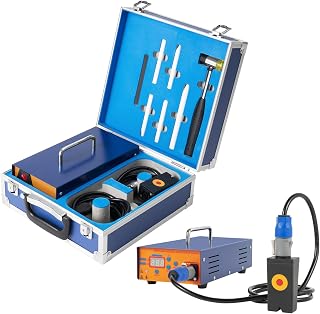
This 110V dent repair kit lists a maximum power of 1.38 kW and a digital display. Its controls use plus, minus, and selection buttons to adjust heating time or power. The product description says it uses electromagnetic pulse technology to heat sheet metal from outside the painted surface, without an open flame.
Best for: Buyers who want visible controls for adjusting time or power. It was selected for the combination of stated output, digital settings, and a clear description of the intended induction-heating process.
The listing says the method is intended to help preserve the original metal texture and paint gloss. This describes the product’s stated purpose, not a guarantee that paint will remain undamaged. Panel condition, dent shape, material, technique, and heat exposure all matter when considering paintless repair.
Limitation: The supplied product details do not specify which body materials or dent types are suitable. Confirm the intended application before use, and do not assume that adjustable controls make the tool appropriate for every panel.
Magnetic Induction Heater With Specifications

This PDR induction machine lists 1.38 kW output power, a 150 kHz output frequency, and an input voltage range of AC 110–120V or 220–230V. Its listed dimensions are approximately 9.88 by 5.24 by 2.76 inches. These specifications can help buyers compare the unit with their work location and electrical supply.
Best for: Buyers who want operating specifications stated in the product information and are repairing suitable minor dents on steel car bodies. The listing specifically describes hail dents, door marks, and other light dents as intended applications.
Choose this if voltage details are important to your comparison. The product description identifies it as a steel-body tool, so its mention of aluminum in the product name should not be treated as proof that every aluminum panel is suitable. Verify material compatibility with the seller or product instructions before purchase or use.
Limitation: The description focuses on flexible steel bodies and light dents. It does not establish suitability for severe creases, sharp damage, or all aluminum panels.
PDR Induction Tool With Suitcase

This paintless dent repair tool includes a digital display for adjusting heating time or power. Its listed features include a metal body, anti-slip feet, cooling vents, and an overheat cutoff. The supplied accessories are five rubber rods, a rubber hammer, and an insulated heating head.
Best for: Buyers seeking an induction tool bundled with rubber accessories for steel-panel work. It was selected because the included components and overheat cutoff are specifically identified in the product information.
The listing describes the tool as intended for smooth dents and magnetic dent removal on steel panels. The display provides adjustable settings, while the cutoff is a protective feature; neither should be taken as a substitute for following operating instructions and monitoring heat.
Limitation: The stated application is steel panels, and the listing does not establish compatibility with other materials or every type of dent. Check that the included accessories and intended panel use match the repair task.
Three-Pack Suction Cup Dent Puller

This kit is a non-induction alternative, not a magnetic heat tool. It contains one 4.5-inch black suction cup and two 2-inch orange cups. The product description says the larger cup is intended for broad, relatively flat or slightly curved areas, while the smaller cups provide more focused traction in narrower spaces.
Best for: Buyers considering a simple suction-based option for shallow dents on surfaces where a cup can seal. It was included as a comparison because not every minor dent requires an induction heater, and the three sizes offer different contact areas.
Limitation: Suction requires a suitable surface and does not use heat. The product details do not establish that it can repair every dent, crease, or panel shape. Avoid treating it as a substitute for induction equipment when the repair requires a different method.
Buying Guide: Choosing a Magnetic Heat Induction Dent Tool
Which dents are suitable for induction heating?
Start with the dent and panel, not the wattage. The listed induction products generally describe use on smooth, shallow dents in steel, including some rounded hail damage or light door marks. Sharp creases, stretched metal, complex damage, or dents near panel edges may need another repair method. Product descriptions alone cannot confirm that a specific vehicle dent is repairable.
Induction heating is intended to warm metal through an electromagnetic process rather than use an open flame. That does not mean the method is risk-free. Heat can damage paint if the panel is overheated, and the product details for the Flynsu tool specifically caution against holding its head too long in one area.
Does the panel material matter?
Yes. The supplied descriptions repeatedly identify flexible steel as the intended material for several induction tools. One product title mentions aluminum and steel, but its feature details emphasize steel-body repair. Do not infer aluminum compatibility from a title alone; verify the model’s instructions and the vehicle panel material before use.
Vehicle panels can differ in material, thickness, construction, and accessibility. If you cannot confirm the panel type or the tool’s intended use, consult a qualified repair professional rather than applying heat experimentally.
How important are adjustable controls?
A digital display and time or power adjustment can make settings visible and selectable. The 1380W digital kit and the suitcase model list those controls. However, a display does not automatically prevent paint damage or ensure a successful repair. Follow the product’s operating directions and monitor the work area.
Compare the stated electrical input with the outlet available where the tool will be used. The products do not all list the same voltage details. One model specifies 110V, while another lists 110–120V or 220–230V input. Confirm the exact requirements for the selected unit instead of assuming they are interchangeable.
What safety and heat-management details should buyers check?
Look for clear instructions on heat exposure, contact, and cooling. One product warns users not to press the restoration head against the vehicle and recommends brief heating intervals with a wet-rag wipe-down. Another lists an overheat cutoff and cooling vents. These features and instructions differ by model, so review the exact product documentation.
Keep the tool away from prolonged, unmonitored heating. Avoid using an induction tool on an uncertain material or a dent outside the stated application. If the paint begins to change or the panel becomes excessively hot, stop and follow the manufacturer’s guidance.
Should you choose induction or suction?
Choose an induction tool when the dent and panel match the tool’s stated use and you need a heat-based approach. Choose suction cups only when the surface can form a seal and the dent is appropriate for pulling. The three-pack suction kit has different cup sizes, but it does not provide magnetic heating and is not a direct replacement for an induction machine.
Other repair approaches may be more appropriate depending on access and dent shape. The Flynsu product description itself notes that some situations may call for pull hooks or suction cups. No single tool is suitable for every body repair.
What should be compared before purchase?
- Panel material: Check whether the tool is explicitly intended for steel or another material.
- Damage type: Match the listed use to smooth, shallow dents rather than assuming it handles severe damage.
- Controls: Compare whether time or power adjustment and a digital display are listed.
- Electrical requirements: Check the exact input voltage against the intended work location.
- Included accessories: Compare heating heads, rubber rods, hammers, and other listed components.
- Heat precautions: Review instructions for head contact, dwell time, cooling, and overheat protection.
Frequently Asked Questions
Can magnetic induction remove any car dent?
No. The listed tools are generally described for smooth, shallow dents on suitable steel panels. Dent shape, panel material, and condition determine whether the method is appropriate.
Can induction heating damage a vehicle’s paint?
Yes. The Flynsu product information warns that excessive heating can damage paint. Follow the specific tool instructions, manage heat carefully, and avoid prolonged heating in one spot.
Are these induction tools suitable for aluminum panels?
The supplied descriptions do not consistently confirm aluminum compatibility. Several specifically state flexible steel bodies as the intended application. Verify material suitability for the exact model and vehicle before use.
Is a suction cup dent puller the same as an induction dent tool?
No. A suction cup uses vacuum grip and pulling force; an induction tool uses electromagnetic heating. They are different methods for different situations.
What does a digital display add?
A digital display can show settings and, on the listed adjustable models, lets the user select heating time or power. It does not guarantee a repair outcome or eliminate the need for heat monitoring.
Can a beginner safely use an induction dent removal tool?
Product listings may describe controls as user-friendly, but safe use still requires understanding the tool’s instructions, panel limits, and heat risks. If the application is uncertain, seek guidance from a qualified repair professional.