
The best mic screen acoustic filter depends on the microphone and the noise you want to control. For a close-fitting foam isolation ball, consider the NEEWER MS012 for microphones 43–68 mm wide or the first five-sided model for 50–75 mm microphones. The Aokeo is a folding shield for a recording setup, while Mudder’s five-pack is designed for standard handheld microphones. Compare fit and form before choosing: these products are not interchangeable.
| Product | Best For | Key Fit or Design Detail |
|---|---|---|
| NEEWER MS012 | Specified-fit isolation ball | 43–68 mm microphones |
| Five-Sided Isolation Ball | Microphones with removable jackets | 50–75 mm diameter |
| Black Five-Sided Isolation Ball | Plosive and reflection control | Five-sided foam enclosure |
| Mudder Foam Mic Covers | Handheld microphones | Five covers; 1.4-inch caliber |
| Aokeo Isolation Shield | Adjustable recording setups | Folding panels |
NEEWER MS012 Isolation Ball
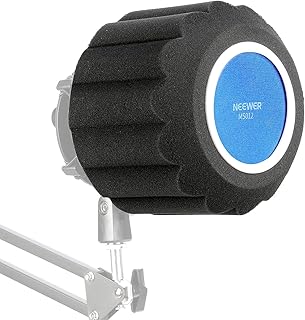
The NEEWER MS012 combines an isolation shield and pop filter in a foam enclosure. Its five-layer acoustic foam is intended to absorb sound from multiple directions, while a double-layer filter is designed to reduce plosives and ambient noise. The product information also says the filter helps limit wind interference and saliva splatter.
Best for: Podcasters, vocalists, and creators whose USB or condenser microphone measures 43–68 mm in diameter. A removable foam insert is included to help stabilize the microphone. This stated size range makes it easier to compare fit with a specific mic before purchase.
Limitation: The listed fit range is specific. Avoid this model if the microphone diameter falls outside 43–68 mm unless the manufacturer confirms fit.
Five-Sided Microphone Isolation Ball

This foam acoustic filter uses a five-sided seal design and a double-layer screen at the open side. The listed purpose is to reduce noise arriving from different directions, limit plosive and wind interference, and protect the microphone from saliva. A holder for different microphone sizes is included.
Best for: Owners of XLR or USB microphones, including condenser microphones with a removable jacket diameter between 50 and 75 mm. It is a reasonable option when an enclosure-style filter is preferred and the microphone falls within the stated diameter range.
Limitation: The fit description specifies a removable jacket and a 50–75 mm diameter. Check the microphone’s dimensions and construction before choosing it; the supplied holder does not establish compatibility with every mic.
Black Five-Sided Foam Acoustic Filter

This black isolation ball is described as using high-density acoustic foam to absorb unwanted noise and reflections. Its five-sided design is intended to reduce audio-wave bounce and interference. The included dual-layer pop filter is described as helping control “S” hissing sounds and plosives associated with “B” and “P” sounds.
Best for: A recording setup where the priority is combining a foam enclosure with a built-in pop-filter layer. Choose this if you want the product’s stated reflection and plosive-control features in one unit.
Limitation: The product details provided do not specify microphone dimensions or a fit range. Confirm sizing with the seller before ordering if your microphone is unusually large, small, or shaped differently from a typical studio mic.
Mudder Five-Pack Foam Mic Covers
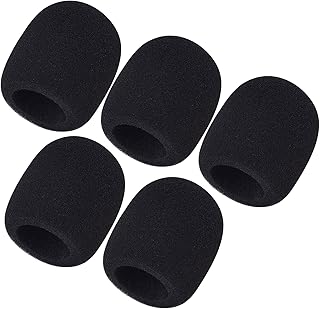
Mudder’s set contains five soft, elastic foam covers for handheld microphones. Each cover measures 2.9 by 2.5 inches and has a listed 1.4-inch caliber. The product description names karaoke, conference rooms, news interviews, and stage performances as possible settings.
Best for: Buyers who need multiple basic foam windscreens for standard handheld microphones. The five-piece quantity can suit shared equipment or replacement needs, and the covers are described as convenient to stretch over a microphone.
Limitation: These are not isolation balls for studio condenser microphones. The listing specifically says they are not for headset microphones, so avoid them for headset use or a microphone that does not match the stated opening.
Aokeo Folding Microphone Isolation Shield

The Aokeo is a folding-panel isolation shield with sound-absorbing material on the inside. Its panels can be adjusted to change the shield angle, and its compact, foldable design is intended to make transport easier. The product information describes a steel construction with screws and says it can be used on a flat surface without a stand.
Best for: Users who want an adjustable shield around a recording position rather than a foam ball fitted closely around the microphone. The folding design offers a different setup approach from the enclosed filters above.
Limitation: The package does not include a microphone or headphones. The provided details do not give a microphone diameter range, so check the setup and mounting requirements before buying.
Buying Guide: How to Choose a Mic Screen Acoustic Filter
Do you need a foam cover, an isolation ball, or a folding shield?
A foam windscreen fits over a microphone and is most relevant when you need a simple cover for a handheld mic. An isolation ball surrounds more of the microphone with foam and may include a pop-filter layer. A folding shield sits around the recording area rather than directly covering the mic. Choose the form that matches your microphone and available space.
These designs address overlapping but different problems. A windscreen is a physical layer at the microphone. An isolation ball or shield is intended to reduce reflections or sound reaching the mic from surrounding directions. A pop filter is aimed at plosives created by bursts of air during speech. Product descriptions may combine these functions, but they should not be treated as identical.
Will the filter fit your microphone?
Check the microphone’s body diameter and shape against the product’s stated measurements. The NEEWER model lists a 43–68 mm range, while the first five-sided model lists 50–75 mm and specifies a removable jacket. Mudder’s covers have a 1.4-inch caliber and are for standard handheld microphones. The other foam ball listing does not provide a measurement, so confirm fit rather than assuming universal compatibility.
- Measure the part of the microphone that will sit inside or under the filter.
- Check whether the product is made for a handheld mic, USB mic, or condenser mic.
- Look for notes about removable jackets, inserts, holders, or excluded microphone types.
- Allow for any mount or cable position that could interfere with placement.
What recording problem are you trying to reduce?
For plosives such as bursts of air on “P” and “B,” look for a product that explicitly includes a pop filter or double-layer screen. For reflections, consider an enclosure or shield whose features describe sound-absorbing foam. For handheld use, a foam cover may be the simpler form factor. None of these product descriptions establishes that a filter will eliminate room noise or replace room treatment.
Where will you record?
Consider desk space, microphone access, and portability. A microphone isolation ball surrounds the mic and may affect how easily you reach its controls or position it. The Aokeo folding shield is described as adjustable and portable, but it is a separate panel-style accessory. A handheld cover takes less setup space, though it is not a substitute for a studio isolation shield.
What details should you verify before ordering?
Check the listed contents, measurements, and intended microphone type. Do not infer that a product includes a microphone, stand, or headphones unless the listing says so. The Aokeo package explicitly excludes microphones and headphones. For products without a stated fit range, confirm dimensions with the seller. Also consider whether you need one cover or several; Mudder’s product is supplied as a five-pack.
Frequently Asked Questions
What does a microphone acoustic filter do?
Depending on its design, it can help reduce plosive air bursts, wind interference, saliva splatter, or sound reflections around a microphone. The listed features differ by product, so check the specific filter’s stated purpose.
Is an isolation ball the same as a pop filter?
No. An isolation ball surrounds the microphone with acoustic material, while a pop filter is intended to reduce plosive airflow. Some isolation balls include a pop-filter layer, but the terms describe different functions.
Can I use a handheld foam cover on a studio microphone?
Only if the cover’s dimensions and intended fit match that microphone. The Mudder covers are listed for standard handheld microphones and are not for headset microphones; they should not be assumed to fit studio microphones.
Which product has a clearly stated microphone size range?
The NEEWER MS012 lists microphones 43–68 mm in diameter. The first five-sided isolation ball lists 50–75 mm for microphones with a removable jacket.
Will an acoustic filter remove all background noise?
No product details here promise complete noise removal. These accessories are described as helping reduce particular sounds or reflections, and they do not guarantee a silent recording environment.