Best Michael Kelly Guitars for Versatile Players and Stage Pros
Looking for a Michael Kelly guitar that matches your style and stage demands? This guide highlights five strong options, focusing on build quality, tone options, and playability. It’s ideal for players seeking American-made clarity, modern features, and flexible sound across genres. The top picks cover electric workhorses, acoustic-electrics, and emerging models, with practical notes on who benefits most from each. Use the quick comparison table below to quickly scan the essentials.
| Product | Type | Best For | Notes |
|---|---|---|---|
| Michael Kelly Triple 50 Electric Guitar Gloss Black | Solid Body Electric | Modern rock players | Modern C neck, versatile pick-up wiring |
| Michael Kelly Forte Exotic Zebra Acoustic Electric Guitar | Acoustic-Electric | Live performers with acoustic tone | ZF electronics with built-in tuner |
| Michael Kelly Forte Port X Acoustic Guitar | Acoustic | Stage-worthy unplugged to amplified | Quilt Maple top, unique soundboard design |
| Fender Standard Series Stratocaster | Electric | Classic tones and reliability | Not Michael Kelly, but widely relevant |
| Donner DST-100S 39 Inch Kit | Beginner Kit | Starter players exploring Michael Kelly-style feel | Includes amp and accessories |
Michael Kelly Triple 50 Electric Guitar Gloss Black

The Michael Kelly Triple 50 blends a classic trio of pickups with a Modern C Maple neck and a 25.5″ scale for extended string tension. The alder body with a Burl Maple top provides a balanced, responsive tone. Best for players who want a flexible tone palette—from tight cleans to punchy overdrive—without swapping gear. The Rockfield pickups and Super Six Wiring Mod offer distinct tonal options that suit rock, blues, and modern pop-fusion players. This model is ideal for performing artists who require a robust stage-ready instrument with clear, open-string resonance.
- Best for: Modern rock players and session musicians needing versatile pickup voices.
- Why selected: Modern neck feel, wide tonal range with a wiring mod for extra control.
- Limitation: Slightly heavier body due to solid alder, which may affect weight distribution.
Michael Kelly Forte Exotic Zebra Acoustic Electric Guitar

This Forte Exotic Zebra features Okoume back and sides with a zebra top, offering a pronounced midrange with bright overtones. A 25.5″-scale Mahogany neck and Ovangkol fingerboard support smooth playing across frets. Fishman Presys electronics provide volume, contour, phase controls, and a built-in tuner for reliable live performance. Best for players seeking an eye-catching instrument with strong acoustic-electric capabilities for touring or live gigs.
- Best for: Acoustic-electric players who perform live and want dependable electronics.
- Why selected: Striking appearance paired with practical Fishman electronics for stage use.
- Limitation: Acoustic resonance may favor players who prefer a brighter finish; feedback risk at higher volumes if not properly set up.
Michael Kelly Forte Port X Acoustic Guitar

The Forte Port X showcases a Quilt Maple top across a resonant body, delivering bold acoustic tone with a contemporary edge. An offset soundhole and an innovative bracing design create a strong, uninterrupted soundboard for more sustain and projection. The guitar’s side soundhole adds air movement, producing a unique tonal character. Best for players who want a distinctive acoustic voice with modern design cues for live performance and studio work.
- Best for: Players seeking a bold, modern acoustic with enhanced resonance.
- Why selected: Innovative soundhole design supports richer tone and projection.
- Limitation: Bracing design may require careful setup to maximize resonance in small spaces.
Leo Jaymz Monsoon Series 24-Fret Electric Guitar
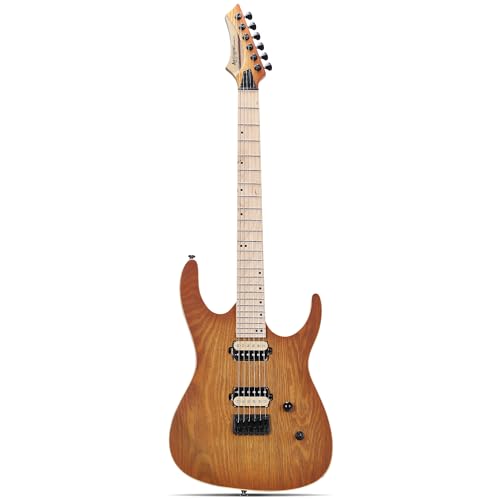
Note: Not a Michael Kelly guitar, but included for comparison of features seen in high-end brands common in similar markets. The Monsoon series offers a mahogany body with a 14″ radius maple fingerboard and stainless steel frets, with dual humbuckers and a 3-way toggle. This model is best for players exploring high-output, sustain-heavy tones in a modern package and can help readers compare feature sets when considering Michael Kelly alternatives.
- Best for: Players comparing carve, sustain, and pickup options across brands.
- Why selected: Demonstrates how similar build goals align across brands.
- Limitation: Not a Michael Kelly product; use for contextual comparison only.
Jackson Guitars JS Series Kelly JS32T

Another comparison model, the Jackson JS32T offers a poplar body, 25.5″ scale, 1-piece maple neck, and an amaranth fingerboard with dual high-output humbuckers. This serves as a contrast for players who consider non-Michael Kelly options with similar playability goals. Best for players who want aggressive metal tones combined with solid construction.
- Best for: Players seeking aggressive tone and dependable construction in a non-Michael Kelly option.
- Why selected: Shows how guitar design choices affect playability and tone in similar price bands.
- Limitation: Brand and model differ from Michael Kelly; may require different setup preferences.
Buying Guide
What to consider when choosing a Michael Kelly guitar, or a comparable model, for your needs:
- Purpose and style: Decide if you need an electric, acoustic-electric, or pure acoustic. Stage work benefits from built-in electronics and stage-friendly hardware, while studio work may prioritize tone transparency and sustain.
- Neck and feel: Consider neck profile (Modern C vs. other shapes) and scale length. A longer scale like 25.5″ can improve string tension and sustain for various genres.
- Electronics and wiring: Evaluate pickups (H-S-S, humbuckers, single coils) and wiring mods. Electronics influence tone versatility and stage control.
- Body construction: Alder, mahogany, and top woods affect resonance and tonal balance. A Burl Maple top can add brightness and visual appeal.
- Playability and ergonomics: Look for neck comfort, fretboard radius, and weight distribution. These impact long practice sessions and live performance comfort.
- Electronics maintenance: Built-in tuners and phase controls are useful on stage but require occasional setup checks to stay in tune and phase alignment.
- Budget and upgrade potential: If you’re starting out, consider beginner-friendly kits that include amps and accessories. If you’re upgrading, focus on a model with proven hardware and future upgrade paths.
Frequently Asked Questions
- What makes a Michael Kelly guitar stand out for live use? Look for versatile pickups, durable hardware, and stage-ready electronics that stay reliable under gigging conditions.
- Are Michael Kelly Forte guitars suitable for beginners? Some Forte models balance playability with appealing aesthetics, but beginners should assess neck feel and weight first.
- Which Michael Kelly model is best for metal players? Models with high-output pickups and solid construction are favored; ensure neck stability and tension compatibility with downtuned setups if applicable.
- Do these guitars require special maintenance? Regular setup checks, string changes, and electronics inspection help maintain optimal tone and playability.
- Can I upgrade electronics on a Michael Kelly guitar? Many models support upgrades, but confirm cavity size and wiring compatibility with new pickups or preamps.
- How do I choose between acoustic-electric and pure acoustic Michael Kelly guitars? If you perform live, an acoustic-electric with built-in electronics is typically more versatile; for studio-only use, a pure acoustic with a rich, resonant top may suffice.