
Best Microphones for Radio Broadcasting and Live Speaking
When choosing a microphone for radio broadcasting, clarity, noise rejection, and reliability matter most. This guide highlights five practical options suited to different broadcasting needs—from home podcasting and in-car broadcasts to on-the-go live commentary. Best for professional-sounding vocal clarity are dynamic mics; best for car installs are 3.5mm or universal car mics; best for portable crowd events are wireless systems; and best for hands-free operation are mounted or clip-on options. The following selections help you match a mic to your setting and budget.
Summary Table of Chosen Products
| Product | Brand | Best For | Notes |
|---|---|---|---|
| Amazon Basics Dynamic Vocal Microphone | Amazon Basics | Home studio, podcasting, live performance | Cardioid pattern with wind and pop filter |
| FingerLakes 3.5mm Microphone Assembly | FingerLakes | Car radio/audio systems | 3.5mm mic input, stable voice pickup |
| 3.5mm External Car Microphone | GHIOPMZ | Car stereo and GPS units | Premium electret cartridge, multi-vehicle compatibility |
| Airiton Radio Mic AR-158 | Airiton | Shoulder/handheld use, field reporting | Volume control, rotatable clip, hands-free options |
| EXMAX EXG-108 Live Translator System | EXMAX | Multi-speaker events, tours, training | Transmitters/receivers for crowd settings |
Amazon Basics Dynamic Vocal Microphone With Cable

Best for: Home studios, podcasts, and small live events. This dynamic microphone uses a cardioid pickup pattern to isolate the voice from background noise and feedback, delivering clear vocal reproduction. It’s noted for high gain before feedback, making it suitable for close-miking on vocal performances and public speaking. The built-in wind and pop filter helps reduce breath sounds and pops, improving intelligibility in broadcast-quality recordings.
Why selected: It offers a straightforward, no-fruss setup with sound-focused design. The cardioid pattern and robust construction are reliable for consistent performance in typical broadcasting environments.
Caution: As a dynamic mic, its sensitivity is lower than condenser mics, which can require closer placement to the mouth or a slightly louder speaking voice for optimal pickup.
FingerLakes 3.5mm Microphone Assembly for Car Head Unit
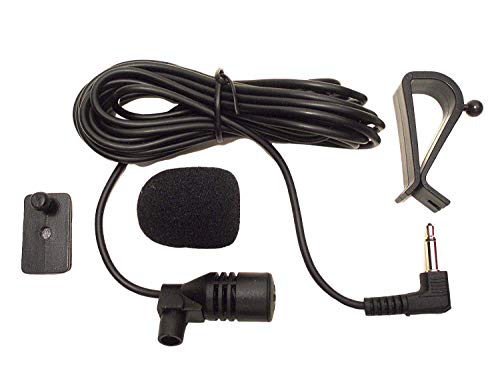
Best for: In-car broadcasts or hands-free vehicle use. This mic assembly works with 3.5mm microphone inputs in many vehicle radio units and Bluetooth-enabled systems, enabling clear voice capture during driving conditions. The design emphasizes high sensitivity and low impedance for stable transmission, even when the vehicle is moving.
Why selected: It provides a practical solution for automotive broadcast setups where a quick, plug-and-play mic is needed. It helps reduce interference by focusing on the user’s voice in a moving environment.
Caution: Compatibility with specific car models may vary. Verify 3.5mm input compatibility before purchase to ensure seamless integration.
GHIOPMZ 3.5mm External Car Microphone

Best for: Aftermarket car audio enhancements requiring stable voice pickup with a universal 3.5mm interface. This mic uses a premium electret condenser cartridge and low impedance to maintain clear voice capture while reducing wind and traffic noise through built-in noise reduction components.
Why selected: It’s a versatile option with broad compatibility across mainstream car stereos, GPS devices, and other 3.5mm-equipped units. The included mounting accessories support flexible installation positions.
Caution: In extremely noisy environments, additional wind protection or placement adjustments may still be necessary for optimal clarity.
Airiton AR-158 Radio Mic for Shoulder Use
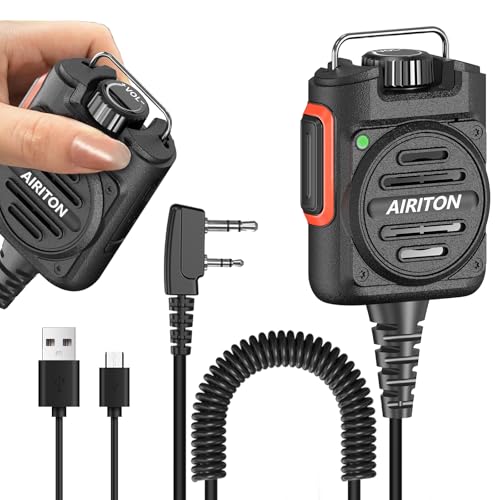
Best for: Field reporting, live events, and broadcasting on the go. This handheld/shoulder mic features stepless volume control for precise sound level tuning, a rotatable belt clip for easy wearing, and a rotatable hanging ring for hands-free operation.
Why selected: The adjustable controls and flexible mounting options make it suitable for reporters and broadcasters who need quick, reliable mic access while moving or presenting.
Caution: The stepless volume is dependent on power; ensure the connected device is powered to use this feature effectively.
EXMAX EXG-108 Live Translator System

Best for: Large groups, tours, classrooms, or church events requiring simultaneous interpretation or multiple receivers. The system includes one transmitter and up to many receivers, with a simple LCD interface to display channel and volume levels. It supports three broadcasting modes, including mic input and AUX input for music.
Why selected: Its expandable, do-it-yourself approach fits multi-speaker environments where clear audience understanding matters. The compact design supports easy deployment in various venues.
Caution: Transmission distance is measured in open areas; real-world obstacles can reduce range. Battery life varies by use and receiver count.
Buying Guide: Practical Considerations For Radio Broadcasting Microphones
What type of mic should I choose?
- Dynamic mics (like the Amazon Basics model) are robust, less sensitive to ambient noise, and ideal for close-miking in loud rooms or live broadcasts.
- Condenser mics offer higher sensitivity and detail but require quieter environments and often phantom power.
Do I need a wired or wireless setup?
- Wired mics are simple, reliable, and affordable for stationary studios or desk setups.
- Wireless systems work well for field reporting, multi-speaker events, and dynamic environments but require battery management and potential interference checks.
What about installation and compatibility?
- Check the microphone’s connector type (3.5mm, XLR, USB) and ensure it matches your equipment. Consider adapters if needed.
- For car installations, verify that the mic input supports your vehicle’s head unit or Bluetooth system.
What features matter for broadcasting?
- Noise reduction and wind/pop protection help maintain intelligibility in imperfect acoustics.
- Volume control, mounting flexibility, and easy clipping are practical for fast-paced environments.
What are common limitations to anticipate?
- Placement sensitivity: proximity to the mouth influences gain and tone.
- In wide-area venues, ambient noise and echoes may require additional processing or multiple mics.
Frequently Asked Questions
- What microphone is best for a home podcast studio?
Dynamic cardioid mics are a strong starting point for voice clarity and noise rejection in a home studio.
- Do car microphones require special features?
Yes, look for low-impedance, wind noise reduction, and a stable 3.5mm or compatible interface to ensure clear in-car voice pickup.
- Can I use a 3.5mm mic with a modern car head unit?
Many head units accept 3.5mm mics, but check compatibility with your model and any required adapters.
- Are wireless microphone systems suitable for public events?
Yes, wireless kits with multiple receivers are designed for multi-speaker environments and tours, but plan for batteries and interference management.
- What features improve broadcast quality?
Pop filters, wind protection, cardioid pickup patterns, and stable mounting help maintain clear speech and reduce background noise.