
Best Bright Flatwound Bass Strings for a Clear, Warm Tone
If you’re seeking a bright yet mellow flatwound bass string set that reduces finger noise and delivers smooth playability, these options are well-suited for jazz, funk, reggae, and versatile bass styles. This guide highlights five reliable choices, explains who each is best for, and shows how to choose based on gauge, scale, and core construction. The top picks cover long-scale and standard options, ensuring clear articulation without harsh brightness.
| Product | Gauge / Scale | Best For |
|---|---|---|
| D’Addario ECB81 Chromes | 45-100, Long Scale | Jazz, studio recording, full-bodied warmth |
| Fender 9050M | .055-.105, 34″ scale | Warm, vintage tone with low finger noise |
| DR Strings Legend (45-105) | 45-105, 34″ or short scale options | Polished flats with bright clarity |
| Alice Flatwound (45-100) | 45-100, 34″ scale | Smooth feel, balanced warmth |
| Ernie Ball Super Slinky Flatwound | 45-100 | Modern flat with enhanced clarity |
D’Addario ECB81 Chromes Bass Strings

Best for jazz players who want an ultra-smooth feel and mellower tone. These flatwound strings use stainless steel flattened wrap with a Hex-Core, ensuring consistent intonation and durability. The wrapping is polished for minimal finger noise and a refined, warm voice across the fretboard. The set is suitable for beginners through pros seeking a dependable jazz or late-night studio sound. A potential limitation is that they may feel stiffer to players used to ultra-silk European flats and require a brief break-in period for optimal slide play.
Fender 9050M Stainless Flatwound
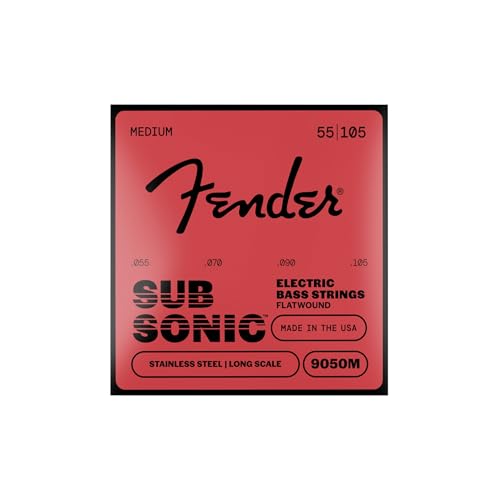
Best for players aiming for a warm, vintage-inspired tone with minimal finger noise. These flatwound stainless steel strings are well-suited for reggae, jazz, country, and R&B styles. They perform well on a fretless bass or any instrument where a mellow, controlled attack is desired. Note that the 34″ scale produces a classic flatwound voice; if you play a shorter scale, you might experience a different tension feel.
DR Strings Legend Flatwound 45-105

Best for players seeking polished stainless steel flats with a balanced, bright clarity. The Legend line uses a round core under a flat stainless wrap to deliver smoothness and long-lasting tone. They’re a strong choice for modern jazz and funk where you want articulate note separation. Consider that short-scale versions of this set might require careful setup for optimal tension on certain bass models.
Alice Flatwound 45-100

Best for players wanting a balanced warmth with a smooth feel and a coated-like surface. The hexagonal high-carbon steel core winding provides consistent tension and a warm, accessible tone suitable for bluesy or pop-funk lines. A limitation to note is that coatings or wraps can vary in long-term durability; some players find the finish becomes less slick after extended use.
Ernie Ball Super Slinky Flatwound Bass

Best for players who want a modern flatwound feel with added clarity. The Cobalt wrap wire increases output and brightness while preserving the smoothness and finger-friendly texture of flatwounds. This set suits players transitioning from rounds to flats or those looking for enhanced articulation in a flatwound package. Be aware that the tension profile may feel slightly stiffer for beginners on certain bass necks.
Buying Guide
What makes flatwound strings bright yet mellow?
Flatwound strings use a flattened wrap wire that reduces harsh high-end brightness and finger noise. The tone remains warm and clear, with subtle brightness from core construction and wire metallurgy. When choosing, consider wrap material, core type, and winding technique to match your preferred balance of warmth and brightness.
Which gauge and scale should I choose?
Light gauges (e.g., 45-100) are easier to play and good for beginners; mid to heavier gauges (e.g., 50-105) provide more tension and a brighter, more defined attack. Long-scale sets generally offer more tension and stability than 30″ short scales. If you play a fretless bass or want minimal fret noise, a medium to light gauge often works best.
Which brand is best for jazz versus rock?
- Jazz: D’Addario Chromes (ECB81) and La Bella 760FS are renowned for smoothness and warm, clear jazz tones.
- All-around warmth with modern clarity: Ernie Ball Super Slinky Flatwounds offer a balance of smooth feel and brighter articulation.
- Versatile vintage-leaning tones: Fender 9050M and 9050L provide classic flatwound voices suitable for reggae, jazz, and R&B.
What should I watch for during installation?
Check tension consistency across strings to avoid neck bowing. Ensure accurate intonation after installation. Some flatwounds require a short break-in period to settle in and reach their full tonal character. If you play a fretless bass, consider a tone with lower finger noise and warmer sustain.
Maintenance tips
- Wipe strings after playing to remove oils and sweat.
- Change strings regularly if you play aggressively or gig frequently.
- Clean the fretboard and hardware to preserve tone and playability.
FAQ
- Q: Are flatwound strings louder than roundwound? A: Generally they are not louder; they offer a smoother, mellower tone with less finger noise.
- Q: Do flatwounds last longer than rounds? A: Durability varies by brand and playing style, but flats often show reduced wear in high-traffic areas like the first few frets.
- Q: Can I use flatwound strings on a fretless bass? A: Yes, many players prefer flats for fretless due to reduced finger noise and a warmer attack.
- Q: Do coated flatwounds exist? A: Some brands offer coatings or finishes for smoother feel, but not all flats are coated; check product details.
- Q: Which flatwound is best for reggae? A: Fender 9050M/9050L are popular for their warm, mellow tone suitable for reggae styles.
- Q: Will flats feel different on a short-scale bass? A: Yes, tension and feel can vary; verify the set is designed for your scale length.