
Best Synthetic Violin Bow Hair and Alternatives for Musicians
Answering the search intent: this guide compares synthetic violin bow hair options and the best natural-hair replacements, helping players choose the right bow hair based on material, durability, and playing style. It’s ideal for students seeking affordable, low-maintenance synthetic hair and for professionals weighing longevity and consistency. Below are five carefully selected products with clear comparisons to help you decide what to buy.
Quick product snapshot
| Product | Best For | Why It Stands Out |
|---|---|---|
| Herco HE902 Hervex Violin Bow Hair | Beginners to intermediate players | Synthetic fiber outperforms horse hair in consistency and rosining. |
| Fiddlerman Forever Vegan Black Carbon Fiber Bow | Travelers and vegan players | Long-lasting Zarelon synthetic hair; humidity resistant; durable carbon-fiber stick. |
| TUOREN 2 Hanks Violin Bow Hair Replacement Kit | DIY replacements | Complete kit with plugs and wedges; easy to install. |
| VINGOBOW 2 Hanks Black Violin Bow Hair | Replacement hair for long-term use | Thicker black hair; long length for 31 inches. |
| Boao 3 Hanks Mongolian Horse Bow Hair | Traditionalists and advanced players | Premium Mongolian horse hair; 31.5 inches; prepared for mounting. |
Herco HE902 Hervex Violin Bow Hair, Full Length

The Herco HE902 uses synthetic fiber designed to outperform traditional horsehair in consistency and response. Usable length is about 31 inches, suitable for most standard bows. It accepts all rosins, offering reliable grip and tone stability across varying playing conditions. This makes it a practical option for students or orchestral players seeking low-maintenance bow hair that minimizes seasonal upset.
Best for: Students and players who prefer steady performance with less care and maintenance. Reason for selection: synthetic fiber provides predictable response and rosining compatibility, reducing variability common with natural hair.
Limitations: Some players note a different feel compared to horsehair; try tuning rosins or bow balance to optimize playability.
Fiddlerman Forever Vegan Black Carbon Fiber Violin Bow with Long-Lasting Zarelon Synthetic Hair
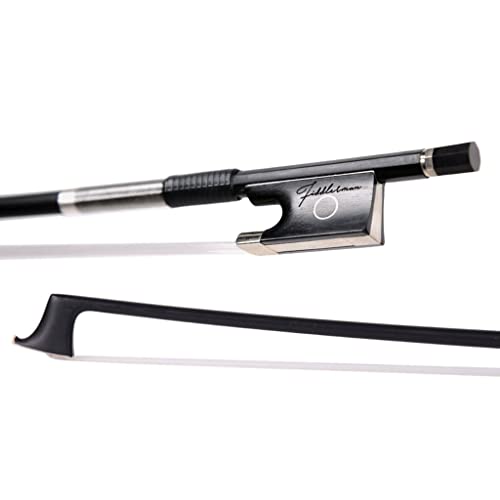
This bow pairs a vegan, animal-product-free design with Zarelon synthetic hair, offering a modern alternative to horsehair. The carbon-fiber stick yields strong resonance and stability, with a claimed lifespan exceeding a decade under varying environments. The ebony frog and quality construction support reliable vibration transfer and even response, making it a strong choice for touring players and studios.
Best for: Musicians who need a durable, long-lasting bow with consistent performance in diverse climates. Why chosen: premium synthetic hair that resists humidity changes and a robust carbon-fiber build for enduring resonance.
Limitations: Some players prefer the “feel” of horsehair for nuanced articulation; this is a trade-off for greater consistency and low maintenance.
TUOREN 2 Hanks Violin Bow Hair Replacement Kit
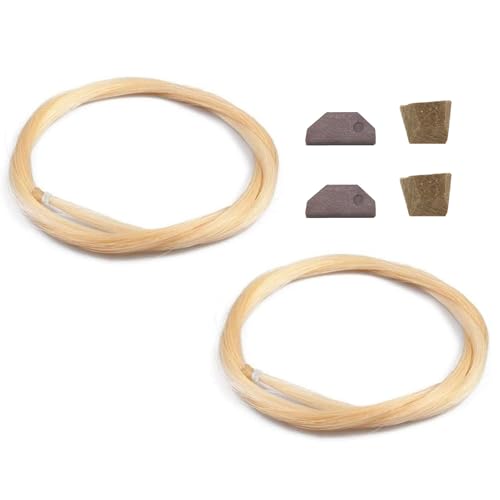
The TUOREN kit provides two hanks of bow hair with included cork plugs and wedges, designed for straightforward installation. The bow hair length is about 74 cm (29 inches), which suits most violin and viola bows. It’s a practical option for players who want to customize tension and hair length, offering a cost-effective way to refresh bow performance.
Best for: Players comfortable with DIY maintenance who want a ready-to-install solution. Why selected: ease of installation and complete hardware make routine rehairing more convenient.
Limitations: Since this hair is traditional horsehair, performance will be influenced by hair quality and hair preparation before mounting.
VINGOBOW 2 Hanks Black Violin Bow Hair

The VINGOBOW set provides two hanks of black bow hair with a note that natural black hair can vary in tone and thickness. The listed length is around 31 inches, making it suitable for most standard bows. Thick black hair offers strong grip on strings and can deliver a focused tone, beneficial for players seeking a robust, clear attack.
Best for: Players who want a dense, durable replacement hair with consistent length. Why selected: ample quantity and longer length support reliable rehair projects; use with standard bows for steady performance.
Limitations: Color variation may affect perceived uniformity across a finished bow hair set; color consistency can vary by batch.
Boao Mongolian Horse Bow Hair for Violin

Boao’s replacement kit provides three hanks of Mongolian horse bow hair, prepared for mounting and ready for use. Hair length is about 31.5 inches, with attention to sorting and quality control on each strand. This option emphasizes traditional, natural hair performance with careful preparation to ensure stable tone and response.
Best for: Players seeking traditional tone and familiar bow behavior from natural hair. Why selected: multiple hanks provide good value and flexibility for longer or multi-bow setups.
Limitations: Natural hair requires more maintenance and is sensitive to humidity and temperature changes; selection and preparation influence outcomes.
Buying Guide: Key Considerations For Bow Hair Replacement
- Material type: Synthetic vs natural horsehair. Synthetic hair offers consistent performance and low maintenance, while horsehair can deliver a traditional tone and feel for expert players.
- Maintenance needs: Synthetic options typically require less rosining frequency and care; horsehair needs careful rosin management and humidity considerations.
- Durability & longevity: Carbon fiber bows with synthetic hair can extend lifespan and resist environmental changes. Traditional wood or carbon fiber sticks paired with horsehair vary by hair quality and storage conditions.
- Hair length and compatibility: Ensure the listed length matches your bow size (common lengths around 29–31 inches). Confirm compatibility with your bow’s frog and screw geometry.
- Installation: DIY kits are convenient, but proper mounting is essential to avoid uneven tension or hair shedding. Consider professional mounting if unsure.
- Playing style: Classical players focused on precise articulation might prefer the predictability of synthetic hair; players seeking a specific tonal character may opt for natural horsehair.
- Budget and value: Synthetic options can offer long-term savings through durability; horsehair kits may be more cost-effective upfront but require ongoing maintenance.
FAQ
- What is the main difference between synthetic bow hair and horsehair?
– Synthetic bow hair provides consistent tension and rosining behavior across environments, with lower maintenance, while horsehair offers traditional tonal qualities and feel at the cost of more maintenance. - Can I replace bow hair myself?
– Yes, with a suitable kit and careful steps, or you can have a professional rehair service. Kits often include plugs and wedges for easier mounting. - Is synthetic hair suitable for professional performances?
– Many professionals use synthetic hair for certain engagements due to reliability and weather resistance; some still prefer horsehair for its tonal characteristics. - How should I care for bow hair after replacement?
– Rosin appropriately to your instrument and avoid extreme humidity or temperature changes to maintain hair integrity, especially with natural hair. - Which option is best for travel?
– A vegan or carbon fiber bow with synthetic hair tends to resist humidity and temperature shifts, making it more travel-friendly. - Do all synthetic hairs feel the same on the strings?
– No, there can be differences in texture and grip. It may require minor adjustments to rosin and bow tension for desired response.