
Best Mini 3 Pin Plug Options for DIY Projects
If you’re shopping for a compact, reliable 3-pin connector, you’ll want options that are easy to install, feature solid insulation, and suit small electronics or LED setups. This guide highlights five well-suited mini 3-pin plug kits, explaining who each product is best for, and why they stand out. Ideal buyers include hobbyists wiring LED strips, students building small electronics, and technicians needing flexible, high-temperature cables. A brief product table follows the intro to help quick comparisons.
| Product | Pitch | Wire Type | Length | Best For |
|---|---|---|---|---|
| 10Pairs JST PH 2.0mm 3 Pin | 2.0 mm | 22 AWG Silicone | 10 cm | Light strips and compact sensors |
| 10 Sets Mini Micro JST SH 1.0mm 3 Pin | 1.0 mm | UL1571-28AWG | 15 cm | Tiny boards and delicate connections |
| 20 Sets Mini Micro Sh 1.0mm 3-Pin | 1.0 mm | Wire length 15 cm | — | Bulk small projects |
| JST-XH 2.54mm 3 Pin Kit | 2.54 mm | 22 AWG Silicone | 15 cm | General purpose electronics |
| 20 Sets Mini Micro JST 2.0 PH 3 Pin | 2.0 mm | 26 AWG | 150 mm | Longer lead projects |
Best All‑Purpose JST PH 2.0 3‑Pin Kit

Best for general hobbyist projects and LED strip connections. This kit uses JST PH 2.0mm 3‑pin connectors with 22 AWG silicone wire. The 10 cm wire length is suitable for compact layouts, and the silicone insulation provides flexibility and heat resistance. Best for users who need reliable, easy-to-install connectors that fit standard JST PH sockets. Caution: ensure correct polarity to avoid miswiring.
Mini Micro JST SH 1.0mm 3 Pin Kit
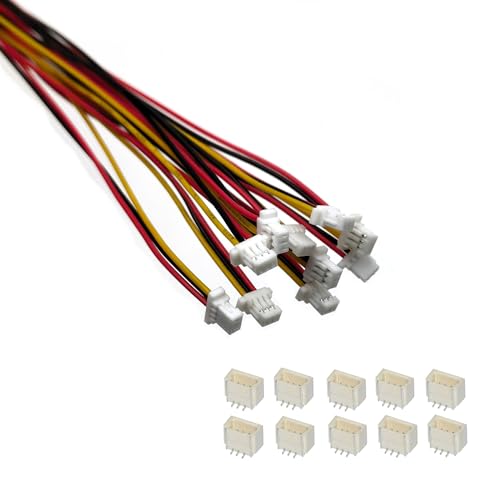
Best for very compact electronics where space is at a premium. The SH family uses a 1.0mm pitch with UL1571-28AWG copper wire, providing a slim profile and reasonable flexibility. Choose this if you’re wiring small sensors, micro modules, or tight PCB layouts. Limitation: the smaller pitch requires careful alignment during soldering or plugging to avoid bent pins.
Bulk Mini SSH 3‑Pin with 150mm Wire

Best for bulk projects and routine replacements. This 1.0mm pitch option offers an extended 150mm wire length, great for multi-board installations or larger prototypes. The kit provides 20 connectors, which helps with recurring projects. Limitation: the longer wires can add clutter in tight enclosures and may require longer routing.
JST‑XH 2.54mm 3 Pin Kit

Best for versatile, medium‑pitch needs. The JST-XH 2.54mm connectors are widely used in hobby electronics and offer a flexible 15 cm wire length with 22 AWG silicone insulation. This kit is a solid choice when compatibility with breadboards or jumpers matters. Caution: pitch is larger, so it may not fit extremely compact assemblies as neatly as 1.0‑mm options.
Long‑Lead Mini JST 2.0 PH 3‑Pin Kit

Best for projects needing longer leads. This kit uses JST PH 2.0 mm with 150 mm wires and 26 AWG copper for a suitable balance of flexibility and strength. The longer cables can simplify routing in larger enclosures or between distant components. Limitation: 26 AWG is thinner and may be less robust for high‑current connections.
Buying Guide
Key factors to consider when choosing mini 3-pin plugs include pitch, wire gauge, and wire length. Pitch determines compatibility with receptacles and your PCB footprints. Higher gauge wire offers durability but can be stiffer. Consider insulation material and temperature tolerance for your application.
What pitch do I need?
1.0 mm JST SH is best for ultra‑compact projects, while 2.0 mm JST PH or 2.54 mm JST-XH fit most hobby boards and LED strips. If space is not critical, 2.54 mm is easier to handle on breadboards and with standard jumpers.
How long should the wires be?
Shorter cables reduce clutter and signal noise in tight enclosures. Longer cables are useful for multi-board builds or frequent repositioning. Match your project’s physical layout to the cable length in each kit.
Which material matters?
Silicone insulation with 22 AWG or 26 AWG copper wires offers a balance of flexibility and heat resistance. Silicone tends to perform better in higher temperature environments and remains flexible over time.
Is reliability important?
Look for connectors with secure latching or firm plug‑in engagement. Plastic housing should be robust, and copper should be tinned for corrosion resistance. For high‑vibration applications, consider strain relief options or protective sleeves.
What’s the best choice for beginners?
Begin with a mid‑pitch 2.0 mm JST XH or PH kit with 15 cm wires. These options are widely compatible, easy to insert, and provide a forgiving balance between size and handling.
How should I store these connectors?
Keep components in labeled containers or bags by pitch and pin count. This reduces misplacement and speeds up future builds.
What are common limitations?
Smaller pitches require precise alignment and careful handling. Longer wires can clutter small enclosures and may require routing adjustments. Always verify polarity before connecting power‑reliant components.
FAQ
- Q: Are these connectors compatible with JST‑PH and JST‑SH headers?
- A: Yes, the kits are designed for their respective JST pitches and should mate with standard JST headers of the same pitch.
- Q: Can I use these for high‑current LED strips?
- A: They are generally suited for low‑to‑moderate current applications; check wire gauge and temperature ratings for your load.
- Q: What is the safest way to connect these to a PCB?
- A: Align pins carefully, insert evenly, and avoid forcing connectors to prevent pin damage.
- Q: Which kit is best for bulk prototyping?
- A: The bulk 20‑set kits are ideal for repeat projects and replacements, offering multiple connectors at once.