
Best Multitrack Reel-to-Reel Tape Options for Home Studios
Answering the question “What multitrack reel-to-reel tape should I buy for my home studio?” this guide highlights five versatile options. Each product is suited to different machines and recording needs, from heavy-duty metal reels for archival work to lightweight plastic reels for portable setups. The top picks emphasize bias compatibility, distortion tolerance, and practical reel sizes to fit common tape machines. This selection helps engineers, hobbyists, and music producers choose tapes that align with their tape machine, desired track length, and workflow.
| Product | Format | Length | Reel Type | Best For |
|---|---|---|---|---|
| Burlington MASTER 1/4″ 2500′ on 10.5″ NAB Metal Reel | 1/4 inch | 2500 feet | NAB Metal Reel | Heavy-duty studio work, bias flexibility, long sessions |
| Burlington MASTER 1/4″ 2500′ on 10.5″ Hub/Pancake | 1/4 inch | 2500 feet | Hub/Pancake | Clean feed paths, quick changes, standard distortion tolerance |
| Burlington MASTER Extended 3600′ on NAB Metal Reel | 1/4 inch | 3600 feet | NAB Metal Reel | Long tracking sessions, extended projects |
| Burlington MASTER Extended 3600′ on Hub/Pancake | 1/4 inch | 3600 feet | Hub/Pancake | Extended runs, flexible bias options |
| Burlington PRO 1200′ on 7″ Plastic Reel | 1/4 inch | 1200 feet | Plastic Reel | Budget-friendly trials, portable setups |
Burlington MASTER 1/4″ 2500′ on 10.5″ NAB Metal Reel

This reel-to-reel tape is built for durable, long sessions. The 1.5 mil formulation offers a balance of signal integrity and distortion tolerance, making it suitable for varied bias settings and extended takes. Best for: studio engineers seeking a robust, bias-friendly option for high-bias or mid-bias recording sessions on a 10.5″ NAB metal reel.
Why chosen: High distortion tolerance and broad bias compatibility support flexible recording choices without frequent tape changeovers. The heavy-duty metal reel helps maintain stability during playback and tracking.
Caution: Metal reels can be heavier to handle; ensure your machine supports 10.5″ NAB reels safely and securely during operation.
Burlington MASTER 1/4″ 2500′ on 10.5″ Hub/Pancake
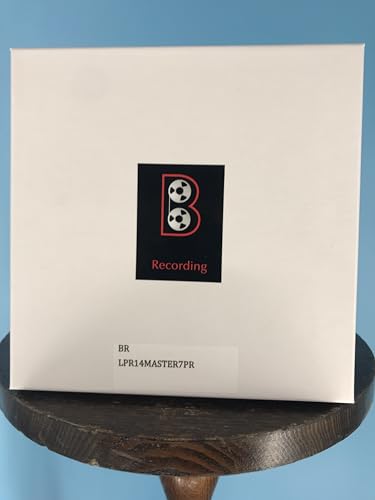
This version uses a 10.5″ hub/pancake reel with the same 1.5 mil tape thickness, adapted for machines that prefer pancake-style reels. Best for: studios with pancake-reel capable transport systems seeking consistent tape handling and bias flexibility.
Why chosen: The hub/pancake format can simplify loading on compatible machines and reduce edge wear through a stable feed path. It maintains a broad bias range and strong distortion tolerance.
Caution: Check your machine’s spindle compatibility with hub/pancake reels to avoid loading issues.
Burlington MASTER 1/4″ x 2500′ 10.5″ HUB/Pancake 1.5 Mil

Designed for professional setups, this reel pairs 1/4″ tape at 1.5 mil with a hub/pancake format for versatile loading. Best for: users who need a reliable, bias-flexible tape with straightforward reel handling.
Why chosen: The combination of a 2500′ length and the hub/pancake format helps maintain tape tension and reduces slack during long takes. It suits machines that alternate between different bias settings.
Caution: Not all 10.5″ hub/pancake reels are compatible with every transport; verify spindle compatibility before purchase.
CMC Magnetics C681/4-2500H 1/4″ x 2500′ Master Reel

CMC Magnetics offers a 1/4″ tape on a 10.5″ hub/pancake reel with 1.5 mil thickness and a professional brown reel sleeve. Best for: studios needing a robust master tape with broad bias compatibility including 468, 911, and ATR styles.
Why chosen: It expands bias options while preserving distortion tolerance, making it flexible for diverse multi-track sessions.
Caution: As with any third-party master tape, verify compatibility with your machine’s head alignment and tape path prior to dedicated tracking work.
Burlington PRO Master 1/4″ x 2500′ on Hub/Pancake 1.5 Mil
The PRO Series emphasizes bias compatibility with a standard distortion tolerance. Best for: budget-conscious projects requiring reliable performance across a range of bias settings.
Why chosen: It offers a robust baseline option for practice sessions, demos, and incremental recording runs where extreme bias variation is less critical.
Caution: PRO Series may have a more limited high-bias response compared to MASTER editions; evaluate your expected signal needs before committing to long takes.
Burlington MASTER 1/4″ x 3600′ Extended Length on 10.5″ NAB Metal Reel
Extended length tape with 1.0 mil thickness on a heavy NAB metal reel. Best for: extended tracking passes and long-form performances where tape usage is a constraint.
Why chosen: The lighter 1.0 mil formulation helps reduce material cost per minute while maintaining bias flexibility in well-tuned machines.
Caution: Thinner tape can be more sensitive to print-through and saturation; balance session length with tape conditioning and headroom.
Burlington MASTER 1/4″ x 3600′ Extended Hub/Pancake
This version pairs 3600′ length with a 10.5″ hub/pancake reel and 1.0 mil tape. Best for: users needing long tape runs in a compact hub format.
Why chosen: The extended length reduces tape changes mid-session while preserving signal fidelity across a broad bias range.
Caution: Ensure your machine supports the hub/pancake style and verify that extended runs won’t cause wrap or alignment issues in your transport.
Burlington PRO 1200′ 7″ Plastic Reel 1.5 Mil
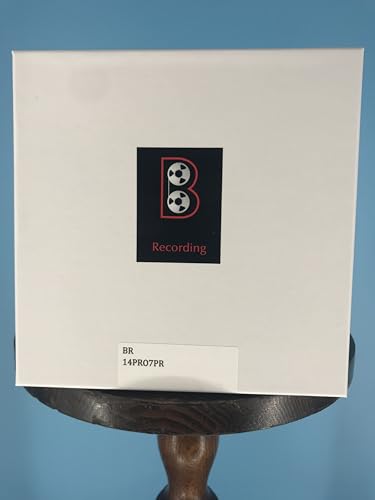
7″ plastic reel with 1.5 mil tape length of 1200′. Best for: budget demos, field work, or temporary setups where portability matters.
Why chosen: The combination of a smaller reel size and sturdy 1.5 mil tape makes it easy to transport and test in different environments.
Caution: Shorter length means more frequent tape changes; ideal for test sessions rather than long tracking takes.
Buying Guide
What tape length should you choose?
For long sessions and full-track takes, 2500′ to 3600′ reels reduce reloading frequency. If you record on the go or perform frequent test takes, 1200′ reels on smaller hubs offer portability.
Which reel type is best for my machine?
NAB metal reels are stable and durable, good for heavier archival work. Hub/pancake reels are lighter and simpler to load for some transports. Confirm your machine’s supported reel formats and spindle compatibility before purchase.
How important is tape thickness (mil)?
Thicker tapes (1.5 mil) can handle higher bias and potential heat from longer takes with less print-through. Thinner tapes (1.0 mil) save cost and extend length but may be more sensitive to saturation and print-through. Choose based on your gain structure and desired headroom.
What bias compatibility means for multitrack work
Bias compatibility indicates how well a tape works across different record biases. For multitrack work with varying signal chains, tapes with broad bias tolerance reduce the need to swap tapes between tracks.
What are the handling considerations?
Reel type and size influence loading ease and tape path stability. Heavier NAB reels provide robust load stability; lighter hub/pancake reels are easier to maneuver in compact setups. Ensure your tape path, guides, and heads align for the chosen reel type.
Practical tips for selecting a multitrack reel-to-reel tape
- Match tape thickness to your machine’s recommended range.
- Prefer tapes with broad bias compatibility for flexibility across projects.
- Choose reel formats that your transport accommodates to avoid loading issues.
- Keep storage conditions stable to minimize tape quality changes over time.
FAQ
- Q: Are these tapes compatible with all 1/4″ multitrack machines?
A: Compatibility depends on tape path, reel size, and bias range supported by your machine. Check your device’s manual for supported formats and reel dimensions. - Q: What does “bias compatibility” mean in practice?
A: It refers to how well the tape performs across different recording bias settings, affecting distortion and frequency response during tracking. - Q: Is a heavier NAB metal reel important for studio setups?
A: Heavier reels provide stable loading and reduce vibration during playback, which can improve alignment and tracking in some machines. - Q: Should I buy multiple lengths from the same series?
A: Yes, having a mix of lengths accommodates different project scales and reduces the need for constant re-spooling during long sessions. - Q: What maintenance should I perform on tape reels?
A: Store tapes vertically, away from magnetic sources, and avoid extreme heat or humidity. Clean heads and guides regularly to preserve tape quality. - Q: Can I mix tapes of different thicknesses in a multitrack setup?
A: It’s best to maintain consistent thickness within a project to avoid uneven tape tension and tonal discrepancies across tracks.