
Best Preamps for Dynamic Microphones: Clear, Quiet Gain for Low-Output Mics
Answering the search for a reliable inline preamp for dynamic mics: these compact devices boost low-output mics with clean gain, reduce noise at the source, and are ideal for home studios, podcast setups, or mobile rigs. They’re best for creators using low-sensitivity dynamic mics (like SM7B or SM58) or ribbon mics who want a stronger signal before the interface. The top picks below emphasize low noise, rugged build, and practical gain ranges. Use the buying table to compare core specs at a glance.
| Product | Key Benefit | Best For |
|---|---|---|
| StudioMan DPM1 | +29dB clean gain; rugged metal build | Podcasters and vocalists who need strong, noise-free boost |
| Triton Audio FetHead | Low-noise Class-A JEFT amplifier | Compact setups needing transparent gain |
| Micfuns M1 | 28dB gain; dedicated output buffer for long cables | Dynamic ribbons with longer runs or RF concerns |
| Coda MB-Stealth | 28dB ultra-clean gain; 48V phono power compatible | Dynamic or ribbon mics in compact rigs |
| JCANOL MIC-1 | Up to 75dB gain; dual outputs; 120dB EIN | Low-output mics needing substantial headroom |
StudioMan DPM1 XLR Dynamic Microphones Preamp

The StudioMan DPM1 is designed specifically for low-output dynamic mics and ribbons. It provides +29dB of clean gain and aims to bypass noisy preamps in interfaces. It requires 48V phantom power (not passed to the mic) and is built to reduce noise by boosting the signal at the source. Best for podcasters, vocalists, and studio workers who want broadcast-quality clarity without upgrading an entire interface. A robust metal chassis helps shield against interference, making it suitable for both studio and stage environments.
Best for: dynamic and ribbon mics where the input signal is weak. Choose this if you need a straightforward, plug-and-play solution that dramatically improves signal-to-noise without heavy modification to your chain.
Limitation: Not suitable for condenser mics. The device requires phantom power but does not feed it to the mic, so ensure your mic and interface pairing align with that behavior.
Triton Audio FetHead In-Line Microphone Preamp
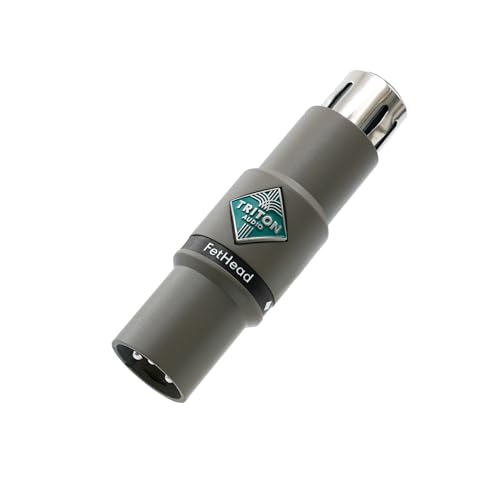
The FetHead uses a low-noise Class-A JEFT amplifier with a dual-stage, single-ended topology inside a shielded enclosure. It’s a compact inline preamp designed to provide transparent gain without coloring the mic signal. It’s particularly well-suited for setups where space is limited or where you want to add headroom before the interface. The FetHead’s simplicity makes it an appealing choice for quick upgrades to a dynamic mic chain.
Best for: anyone who needs a small, unobtrusive inline boost with clean sound, especially when connected directly to a mic and a mixer or interface.
Limitation: While compact, it is a simple gain booster and does not offer advanced features beyond gain and noise performance. Ensure compatibility with your mic type and phantom power arrangement.
Micfuns M1 In-line Microphone Pream
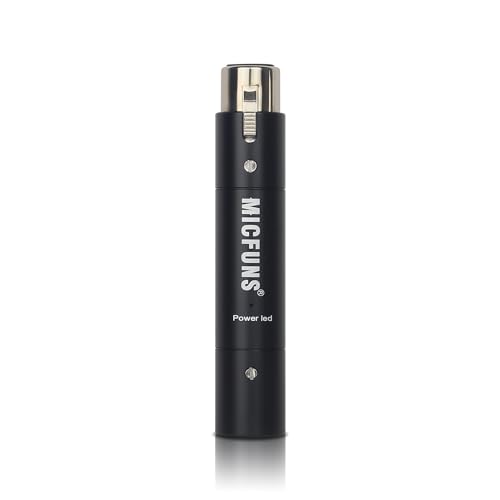
The Micfuns M1 delivers 28dB of gain for dynamic and passive ribbon mics. It features a dedicated output buffer amplifier to handle long cable runs and reduce RF interference, buzz, and hum. It requires 48V phantom power from the preamp or interface. This inline solution is useful for preserving signal integrity in longer cable setups or modest studio spaces.
Best for: dynamic and ribbon mics that suffer from long cable noise or signal loss. Opt for this if you need a robust output stage to minimize interference across longer runs.
Limitation: The M1 requires external phantom power; confirm your interface can provide 48V before purchase.
FOSA Microphone Preamp

The FOSA mic preamp provides 20dB of gain with 48V power suitable for both dynamic and condenser microphones. It features a fully balanced circuit design intended to deliver ultra-low noise and minimal sonic coloration. This unit is a practical choice when you want a straightforward, low-noise signal boost without needing aggressive gain.
Best for: users who want a compact, quiet preamp that can support both dynamic and condenser mics when sufficient headroom is available via the interface. Suitable for light studio work or podcasting where ultra-clean gain is desirable.
Limitation: The gain is lower than many inline boosters, so very quiet mics or demanding sources may require additional boost elsewhere.
Rodyweil RO03 Mic Preamp

The Rodyweil RO03 offers up to 66dB gain with an EIN of -120dB, focusing on ultra-low noise performance for dynamic, condenser, and ribbon mics. It supports XLR and TRS/TS outputs and Type-C power input, expanding flexible connection options. The upgrade emphasizes improved noise suppression and a broader gain range for varied mic sources.
Best for: versatile setups that require significant headroom and low noise across different microphone types. Choose this if your applications include quiet sources or demanding gain needs.
Caution: The two input ports cannot operate simultaneously; plan the workflow accordingly to avoid missing a needed input.
JCANOL MIC-1 Mic Preamp

The JCANOL MIC-1 delivers up to 75dB of clean gain with a -120dB EIN noise floor. It includes 1MΩ high-impedance instrument input and multi-format outputs: XLR, 3.5mm Mic Out, and 3.5mm Line Out. It’s designed for flexible routing and long cable runs while maintaining precise sound reproduction. Separate inputs mean careful signal management is required to avoid conflicts when using multiple sources.
Best for: users needing high headroom with versatile output options and strong noise performance for dynamic, condenser, or instrument signals. Ideal for multi-mic setups where direct, clean diffusion of gain is essential.
Limitation: The two input ports do not work simultaneously; plan channel routing so you don’t lose a source mid-session.
Buying Guide: How To Choose The Right Inline Mic Preamp
- Gain requirements: Dynamic mics often need more gain than condenser mics; choose a unit offering 20–75dB depending on mic sensitivity and interface headroom.
- Noise performance: EIN ratings and SNR matter when you’re trying to minimize hiss on voice and instrument tracks. Look for devices that boost at the source to reduce interface noise.
- Impedance and compatibility: Some preamps include high-impedance instrument inputs (1MΩ) or dual outputs. Ensure compatibility with your mic type and your interface’s phantom power behavior.
- Power and phantom considerations: Confirm whether phantom power is required and how it passes to the mic. Inline preamps often require 48V but some do not pass it to the microphone.
- Connectivity: Choose models with the right outputs (XLR, 3.5mm) and consider whether you need long-cable capability or direct interface connections.
- Portability: For on-the-road recording, a rugged metal body and compact form factor can be decisive.
- Use-case alignment: Podcasters may prioritize two-channel inline boosters with minimal setup, while musicians might need higher gain and flexible outputs for DI boxes and instrument processing.
Frequently Asked Questions
- Do inline mic preamps work with all dynamic mics? Yes, but gain levels vary by mic sensitivity; check the mic’s output power and the preamp’s gain range.
- Can I use a preamp with condenser microphones? Some models support condensers, but many inline boosts are optimized for dynamics and ribbons; verify phantom power behavior.
- Will inline preamps color my sound? Reputable units aim for transparent gain. However, some designs have slight tonal influence; look for a unit with a low-noise design and high headroom.
- Is phantom power required for these devices? Some require phantom power to operate; others provide power from the mixer or interface. Confirm power requirements before purchase.
- When should I choose a high-gain preamp? If your mic’s output is very quiet or you’re recording in a noisy environment, higher headroom can improve dynamic range and reduce hiss.
- Do inline preamps affect latency? Generally no significant latency is introduced; most latency comes from the interface and DAW processing, not the preamp itself.