
Best Professional Reel-to-Reel Tape Recorders and Empty Reels
Answering the needs of professional and serious audio historians, this guide spotlights five top items related to reel-to-reel tape systems: sturdy empty reels, replacement take-up reels, and a classic magnetic tape option. Each pick targets buyers seeking reliable hardware for open-reave and studio-like workflows. The top selections are best for: engineers preserving analog sound, archivists organizing tape spools, and enthusiasts building or maintaining a vintage open-reel setup. A quick summary table follows to help compare core attributes at a glance.
| Product | Type | Best For |
|---|---|---|
| Burlington Recording 1/4″x 1800′ MASTER Series Reel To Reel Tape | Magnetic Tape | Professional recording and archival projects |
| RTM Long Play Recording LPR 35 ¼ inch Reel | Magnetic Tape | Long-form sessions with high fidelity |
| 7 Inch Empty Tape Reel 1/4″ Aluminum Alloy Takeup Reel Red | Empty Take-Up Reel | Replacement reel for open-reel systems |
| 1/4 7 Inch Blue Aluminum Empty Take Up Reel | Empty Take-Up Reel | Durable, balanced wind for stable operation |
| 1/4 7 Inch White Empty Reel for Open Reel Sound Deck (Pomya) | Empty Take-Up Reel | Classic design with robust aluminum construction |
Burlington Recording 1/4″ Master Series Reel To Reel Tape
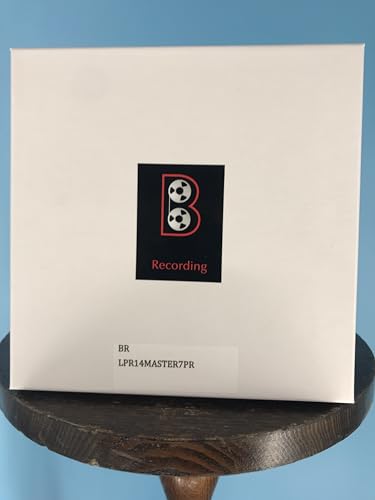
This 1/4″ x 1200′ tape comes on a 7″ smoky gray plastic reel, sized to fit standard open-reel decks. Features highlight wide bias compatibility and high distortion tolerance, suitable for professional mastering and archival work. Best for studios needing reliable playback and a consistent backing track without excessive noise. Choose this if you prefer a plastic reel that ships with a sturdy frame for repeated use. Caution: ensure tension compatibility with your specific open-reel deck to avoid winding issues.
RTM Long Play Recording LPR 35 Reel

RTM’s LPR 35 is a ¼” tape designed for high-fidelity, long-play recording with a stable, warm analog character. The tape is described as durable with low noise and high output, ideal for audiophile-grade projects and archival sessions. Best for engineers seeking studio-like warmth in longer takes. Better for open-reel setups that prioritize sound quality over ultra-short playback. Caution: confirm tape alignment and machine compatibility with your deck’s playback width and NAB flange requirements.
7 Inch Empty Tape Reel 1/4″ Aluminum Alloy Takeup Reel Red

Crafted from aircraft-grade aluminum with CNC precision, this 7″ take-up reel emphasizes a balanced wind design and 3-hole wind resistance for stability at high speeds. It’s best for professionals who expect precise alignment and minimal vibration during rapid forward/rewind. Use this if you need a robust, low-noise take-up reel that maintains smooth tape transport. Limitation: aluminum reels may require exact NAB flange sizing and screw compatibility with your machine.
1/4 7 Inch Blue Aluminum Empty Take Up Reel
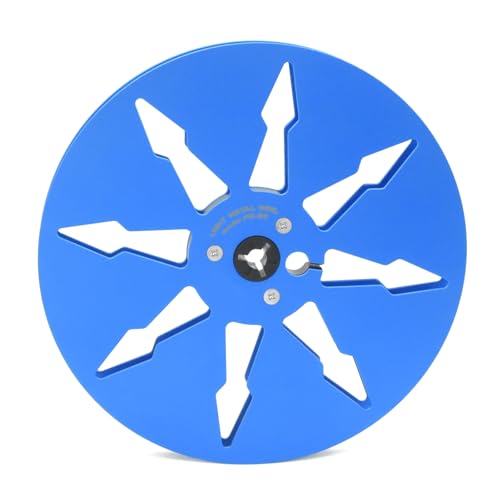
This 1/4″ 7″ blue anodized aluminum reel features an 8-hole windage design for wear resistance and stability. Best for open-reel setups requiring durable, balanced feeding with minimal warping. Choose this if you want a striking, sturdy reel that performs reliably under heavy usage. Caution: ensure the 8-hole design aligns with your machine’s take-up flange and mounting pattern.
Pomya 1/4 7 Inch Aluminum Empty Reel

The Pomya empty reel uses aircraft-grade aluminum with a six-hole NAB flange for added strength and wind stability. It is designed for clean winding and minimal vibration during fast forward and rewind. Best for professionals who value a classic, durable build. Avoid this if your deck requires a different flange count or non-standard wind-hole spacing.
Buying Guide
What matters most when choosing reels and tapes?
Match reel size, flange design, and material to your open-reel deck. Aluminum reels offer durability and stable wind but require compatible NAB flange and screws. Plastic reels are lighter and affordable but may wear faster under heavy use. For tapes, consider length, formulation, and bias compatibility with your recording system to achieve the best sound fidelity.
Material and construction considerations
- Aluminum reels: durable, low-noise performance; ideal for frequent use and high-speed winds.
- Plastic reels: lighter and often more affordable; good for casual or archival projects with lower wear demands.
- Flange design: 3-hole vs 6- or 8-hole patterns affect wind stability and vibration resistance.
Compatibility questions to ask
- Does the reel’s flange and hole configuration match your deck’s NAB specifications?
- Is the tape length compatible with your planned recording duration?
- Do you need a take-up reel with strong wind stability for fast forward/rewind?
Practical testing tips
- Inspect the reel for true rotation and absence of warping before loading tape.
- Check alignment by winding a short length and observing for flutter or mis-tracking on playback.
- Store reels in a controlled environment to prevent corrosion or material fatigue.
FAQ
- What is a take-up reel? – A reel that winds the tape as it is recorded and played back on a reel-to-reel deck.
- Are aluminum reels better than plastic? – Aluminum offers durability and stable wind; plastic is lighter and often more affordable.
- What does NAB flange mean? – It refers to the standard hole pattern and size used for aligning reels with open-reel machines.
- Can I use any tape with any reel? – Not always. Ensure tape width, reel diameter, and flange compatibility match your device.
- How do I prevent tape warping? – Use reels with proper wind resistance and ensure balanced, tension-controlled winding.
- Is longer tape length always better? – Longer tapes enable longer takes but require more careful handling and storage.