
Best Rackmount Digital Audio Mixer Options for Pro-Style Mixing
For buyers seeking rackmount digital audio mixers, this guide highlights five solid choices optimized for live sound, broadcast, and studio use. Each option targets different needs—from compact portability to feature-rich processing. The selections below are best for performers needing rack-ready gear, venue engineers seeking Wi‑Fi or USB interfaces, and studios requiring clean digital processing without added clutter.
| Product | Best For | Key Benefit |
|---|---|---|
| Allen & Heath CQ-20B | Live venues, studios | Wi‑Fi/Bluetooth connectivity and flexible routing |
| ALTO TMD16 | Pro sound in small venues | 16 channels with hands-on 100mm faders |
| Yamaha MG10XU | Compact recording/mixing | USB interface with SPX effects |
| Tascam US-16×08 | Recording and playback | Rackmount USB audio interface with 16 inputs |
| Yamnweo RX-8 | DJ sets and live events | 99 DSP effects and USB/Bluetooth |
Allen & Heath CQ-20B Digital Mixer

The CQ-20B is a compact digital mixer with built-in Wi‑Fi/Bluetooth and a 24×24 USB interface. It supports multiple mic/line inputs and network connectivity for easy control from mobile devices. This model suits live sound engineers and venues that value wireless setup and remote control. Best for mid-size gigs or studio sessions requiring reliable digital routing and flexible input management. A potential limitation is setup complexity for first-time users who prefer a straightforward, non-networked interface.
ALTO TMD16 16-Channel Digital Mixer

The ALTO TMD16 offers 16 digital channels, 100mm faders, dedicated encoders, and a 7-inch color display for quick access without menus. It includes onboard processing with parametric EQ, compression, and a 16‑preset FX engine, reducing extra equipment needs. This mixer’s sturdy 16-channel capability makes it ideal for mid-sized venues and worship spaces. A caveat: extensive on-board processing may require hands-on learning for users new to digital workflows.
Yamaha MG10XU 10-Input Studio Mixer

The Yamaha MG10XU provides 10 inputs, USB recording, and SPX digital effects, with high-quality discrete preamps and built-in high-pass filters. It’s well-suited for compact studios, podcasters, and small live setups needing reliable sound shaping and easy USB connectivity. The limitation to watch for is its smaller channel count when expanding to larger performances, making it less suitable for bigger venues.
Tascam US-16×08 Rackmount USB Interface
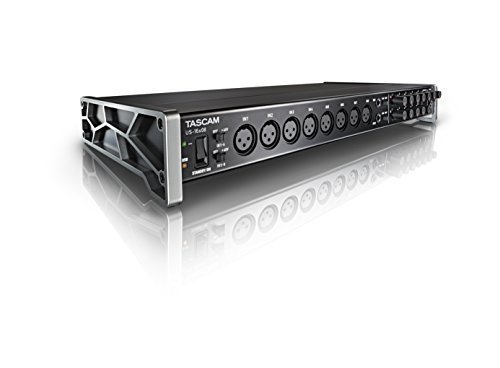
The Tascam US-16×08 is a rackmount USB audio/MIDI interface with 16 inputs and 8 outputs. It’s designed for recording and live playback, delivering clean preamps and flexible routing. It’s best for studios and broadcast setups needing robust digital interfacing with direct computer connectivity. A potential limitation is that it focuses on I/O expansion more than integrated on-board DSP, so users may rely on external processing for effects.
Yamnweo RX-8 8-Channel Rack Mount DJ Console

The Yamnweo RX-8 combines 8 channels with 99 DSP effects, USB music playback, and Bluetooth. It’s designed for stage and club DJs who need built-in effects and quick, on‑the‑fly routing. This choice shines for live performances and mobile setups where space is at a premium and effects versatility matters. A caution: not every DJ will need all 99 effects, and the interface may be more complex for new users.
Buying Guide: Rackmount Digital Audio Mixer Considerations
- Channel count and input types: Choose based on the number of mics/instruments you plan to run simultaneously. Larger venues benefit from higher channel counts and combi inputs.
- Digital processing vs. external gear: Assess whether onboard EQ, compression, reverb, and FX suffice or if external processors are needed.
- Connectivity: Wi‑Fi/Bluetooth can simplify control but may require network setup. USB interfaces are essential for recording and playback with computers.
- Rack compatibility and form factor: Ensure the unit fits your rack space and mounting requirements (5U, 3U, etc.), plus any power considerations in your rack.
- Portability vs. permanence: For mobile setups, prioritize lighter, rugged models with straightforward controls. For fixed installations, prioritize advanced routing and processing.
- Future expansion: Consider whether you may need additional inputs or outs and whether the mixer supports expansion or modular setups.
Frequently Asked Questions
- What is a rackmount digital mixer? – A mixer designed to be mounted in a standard 19-inch equipment rack, combining digital signal processing with multiple inputs and outputs for live sound or studio use.
- Do I need Wi‑Fi on a rackmount mixer? – Wi‑Fi can simplify remote control and setup in larger venues, but it’s not strictly required for operation. Many users rely on wired control or local front-panel controls.
- Can these mixers record directly to USB? – Some models offer USB interfaces for direct recording; others require external recording through a computer or audio interface.
- Is a higher channel count always better? – More channels provide more flexibility, but the right choice depends on your typical setup size and whether you require extra inputs for future needs.
- Which is best for live DJ use? – DJ-focused models with built-in effects and easy routing, like the Yamnweo RX-8, are ideal for live performances requiring quick mixing and effects.
- What should I consider for small venues? – Look for compact 8–16 channel digital mixers with clear faders, straightforward routing, and onboard processing to minimize extra gear.