
The best recording studio microphone depends on your setup: the RØDE NT1 Signature Series suits vocalists building an XLR studio chain, while the FIFINE T669 is a practical USB kit for computer recording. Dejasound and ZealSound offer USB controls for creators who want convenient recording features, and the Aokeo is an isolation-shield accessory for improving a microphone setup. Compare connection type, included accessories, controls, and whether you need a microphone or a recording-space accessory.
| Product | Best For | Connection Or Role |
|---|---|---|
| RØDE NT1 Signature Series | Vocal recording with an XLR setup | XLR condenser microphone |
| FIFINE T669 | Computer recording kits | USB microphone and boom arm |
| Dejasound DJM5 | USB recording with onboard controls | USB condenser microphone |
| ZealSound K66 | Creators recording across devices | USB microphone with adapters |
| Aokeo Isolation Shield | Adding a vocal shield to a setup | Microphone accessory; mic not included |
RØDE NT1 Signature Series Studio Microphone
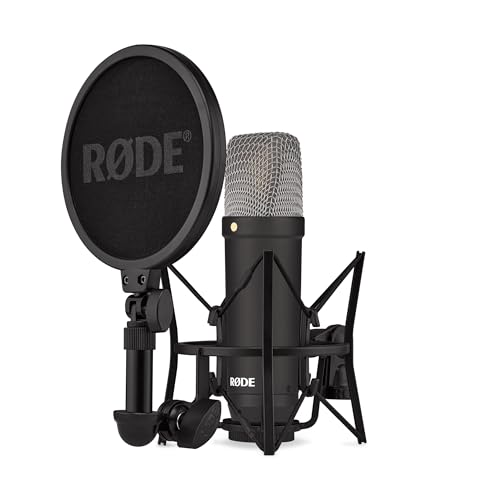
The RØDE NT1 Signature Series is a large-diaphragm condenser microphone for a studio workflow built around an XLR connection. Its included setup components are a shock mount, pop filter, and XLR cable. The product details specify that users need to add an interface before recording, so it is not the simplest direct-to-computer option in this selection.
RØDE describes this microphone as having a familiar studio vocal character and very low self-noise. These attributes make it a suitable choice for vocalists and producers who want a dedicated condenser microphone and already plan to use an audio interface. The included shock mount and pop filter also cover two common microphone accessories.
- Best for: Vocal recording in an XLR-based home or project studio.
- Why it was selected: It includes an XLR cable, shock mount, and pop filter, and the listing highlights low self-noise.
- Consider: An audio interface is required, so choose a USB model if you want a direct computer connection without extra hardware.
FIFINE T669 USB Recording Microphone Kit
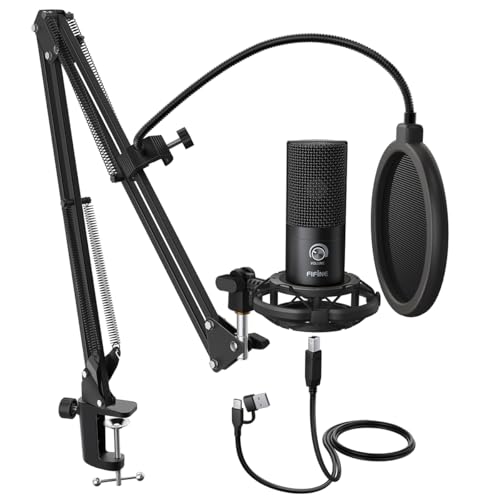
The FIFINE T669 is a USB condenser microphone kit intended for computer-based voice recording, podcasting, and home-studio use. Its cardioid capsule is designed to capture sound from the front while reducing ambient sound. The kit includes a desktop boom arm, an 8.2-foot USB cable, and a double-layer pop filter.
The adjustable arm is useful when a fixed desktop microphone position is inconvenient. FIFINE lists 180-degree up-and-down rotation and 135-degree forward-and-backward extension, giving users options for positioning the mic. The USB connection supports plug-and-play recording on PC and laptop without additional hardware or drivers, according to the product details.
- Best for: New podcasters and home creators who want a microphone with a boom arm and pop filter.
- Why it was selected: Its bundle combines the microphone, adjustable arm, USB cable, and two-layer pop filter.
- Consider: The listing states that it is incompatible with Xbox; check device requirements before buying.
Dejasound DJM5 USB Studio Microphone

The Dejasound DJM5 is a USB condenser microphone packaged with an isolation shield and pop filter. Its listed specifications include a cardioid pickup pattern, 16 mm diaphragm, 192 kHz/24-bit sampling rate, and 30 Hz–16 kHz frequency response. It is designed for recording vocals, podcasts, and music through a PC, laptop, or smartphone.
On-microphone controls include echo adjustment, volume adjustment, and a mute button. A 3.5 mm headphone jack supports monitoring, which can help users hear their recording while working. The listed 5V power requirement and USB output make this a direct-connection option for buyers who do not want to start with a separate audio interface.
- Best for: Home creators who want USB connectivity, monitoring, and controls on the microphone.
- Why it was selected: It combines a microphone with a shield and pop filter and lists support for computer and smartphone recording.
- Consider: The listed frequency response ends at 16 kHz; compare that specification with your recording needs and other options.
ZealSound K66 USB Podcast Microphone

The ZealSound K66 is a USB condenser microphone with a cardioid pickup pattern, gain and volume adjustment, mute control, and headphone monitoring. Its listed frequency response is 40 Hz–18 kHz, and the product details give a 46 kHz sampling rate. The microphone includes a noise-reduction mode intended to lessen sounds such as keyboard clicks, computer fans, and background chatter.
The K66 is positioned for users recording on more than one device. The listing describes plug-and-play use with Windows PCs, Macs, laptops, and tablets, and says that USB-C and Lightning adapters are included for supported phones and tablets. This makes it a flexible choice for creators moving between desktop and mobile recording, subject to checking the connection requirements of a particular device.
- Best for: Podcasters and streamers who want onboard adjustments and mobile-device connection options.
- Why it was selected: It combines monitoring, mute, noise-reduction mode, and included USB-C and Lightning adapters.
- Consider: Noise reduction is a selectable mode, not a substitute for a quiet room or careful microphone placement.
Aokeo Microphone Isolation Shield

The Aokeo is an isolation-shield accessory, not a microphone. The package includes the shield, two metal thread adapters, a pop filter, a storage desk, an adjustable stand, and an instruction manual. The product details specifically state that the microphone is not included.
The shield uses absorbent material on the inside and a steel construction. Its height can be adjusted, and the listed stand-and-shield height is 175 cm. The design is intended to help reduce sound reflections and interference around a recording position. It may suit a buyer who already owns a compatible microphone and wants an accessory to shape the immediate recording area.
- Best for: Vocalists who already have a microphone and want a standalone shield and pop filter.
- Why it was selected: It offers an adjustable stand, included adapters, and an accessory-focused alternative to buying another microphone kit.
- Consider: It does not include a microphone, and an isolation shield alone cannot eliminate all room noise.
Buying Guide: How To Choose A Studio Microphone
Do you need USB or XLR?
A USB microphone connects directly to a compatible computer or device and is often simpler for basic podcasting, streaming, and voice recording. The Dejasound DJM5, FIFINE T669, and ZealSound K66 are USB options among these picks. An XLR microphone, such as the RØDE NT1 Signature Series, is intended for a setup that uses an audio interface. The RØDE listing explicitly says to add an interface before recording.
Choose based on the equipment you already own and how much control you want over your recording chain. A USB microphone can reduce the number of separate components required. An XLR model can fit a studio setup with an interface, but it requires that additional device. Confirm that the microphone connection matches your computer, tablet, or phone before purchasing.
What does a cardioid pickup pattern do?
A cardioid microphone is designed to capture sound most strongly from the front. That directional pattern can help focus a recording on the person speaking or singing in front of the mic. The Dejasound, FIFINE, and ZealSound listings specify cardioid pickup patterns. It does not guarantee a silent recording: room reflections, nearby equipment, and unwanted sounds can still be captured.
For clearer results, position the microphone toward the sound source and keep distracting noise as low as practical. A pop filter can help reduce bursts of air from speech, while a shock mount can help limit some vibration reaching a microphone. Neither accessory replaces appropriate placement or a suitable recording environment.
Which included accessories matter most?
Accessories can change how quickly a microphone fits into a workspace. The FIFINE T669 includes a boom arm, USB cable, and double-layer pop filter. The RØDE includes a shock mount, pop filter, and XLR cable but still requires an interface. The Dejasound includes an isolation shield and pop filter, while the ZealSound includes connection adapters and onboard monitoring controls.
Compare what is included with what you already own. A stand or boom arm affects placement; a pop filter is useful for close vocal recording; and a headphone jack allows monitoring on models that provide one. Avoid assuming that an accessory is included unless the product details say so.
Are onboard controls and monitoring important?
Onboard controls can make basic adjustments more convenient during a recording session. The Dejasound lists echo and volume adjustment, a mute button, and a 3.5 mm monitoring jack. The ZealSound lists gain and volume adjustment, mute, monitoring, and a selectable noise-reduction mode. These features may be useful for creators who record without a separate control surface.
For a simple voice setup, prioritize the controls you will actually use. A mute button can help manage pauses, while headphone monitoring can make it easier to hear the signal. If you plan to make detailed edits later, focus on connection type and recording workflow rather than treating extra controls as a replacement for editing or room preparation.
Should you buy an isolation shield?
An isolation shield is an accessory that sits around or behind a microphone to help manage sound reflections near the recording position. The Aokeo listing describes absorbent material, an adjustable stand, and a separate pop filter. It is most relevant to someone who already owns a compatible microphone and wants to add a shield to the setup.
Do not confuse a shield with a complete soundproofing solution. It cannot make every room silent or prevent all outside noise from entering a recording. Check the included adapters and mounting arrangement, and verify that the stand can fit your available space before choosing a shield.
What should you check before recording on a phone?
Check the exact connection and adapters required by your device. The Dejasound listing describes smartphone support, and the ZealSound listing includes USB-C and Lightning adapters. The FIFINE listing focuses on PC and laptop use, while the RØDE requires an interface. Product descriptions do not guarantee compatibility with every phone, operating system, app, or adapter arrangement, so confirm the connection details for your specific device.
Frequently Asked Questions
Which microphone is easiest to connect to a computer?
The FIFINE T669, Dejasound DJM5, and ZealSound K66 are USB microphones. Their listings describe direct or plug-and-play connections. Check your computer’s available ports and the current product instructions before setup.
Does the RØDE NT1 Signature Series include an audio interface?
No. The listed package includes a shock mount, pop filter, and XLR cable. The product details say to add an interface before recording.
Which option includes a boom arm?
The FIFINE T669 package includes a desktop boom arm with stated adjustment ranges. Check the product listing for the exact package contents before ordering.
Does the Aokeo isolation shield include a microphone?
No. The product details state that the microphone is not included. The package is an accessory set with a shield, pop filter, stand, and other listed components.
Can a noise-reduction mode remove all background noise?
No. The ZealSound K66 listing says its noise-reduction mode is designed to reduce certain background sounds. It does not promise complete noise removal, so microphone placement and a quieter recording area remain important.