
The best choice for adding reverb to a microphone is a vocal effects pedal designed for voice, such as the FLAMMA FV01; the FLAMMA FV04 is better suited to singers who also want harmony effects. The other three picks are guitar reverb pedals, so consider them only when your audio setup can route a microphone signal through them appropriately. Check the input requirements and signal path before connecting a mic.
| Product | Best For | Key Distinction |
|---|---|---|
| FLAMMA FV01 | Singers needing vocal effects | Vocal processor with delay and reverb |
| FLAMMA FV04 | Singers wanting harmonies | Vocal harmonizer with reverb |
| Donner Verb Square | Players wanting several reverb styles | Seven listed reverb modes |
| FLAMMA FC02 | Simple guitar-effect setups | Three listed reverb effects |
| AKLOT NEON Halo | Players seeking adjustable reverb character | Mix and decay controls |
FLAMMA FV01 Vocal Effects Processor

The FLAMMA FV01 is the most directly relevant option for a singer seeking reverb from a pedal. Its listed features include pitch correction, delay, reverb, and use for live singing, streaming, recording, and acoustic-guitar playing. Unlike the guitar reverb models in this list, it is identified as a vocal effects processor and microphone amplifier.
Best for: Singers who want a voice-focused pedal that combines reverb with other vocal effects. It was selected because its product description specifically addresses microphones and vocal use.
Keep in mind: The listed details do not specify every connection type or microphone requirement. Confirm that its inputs and outputs suit your microphone and the equipment downstream before buying.
FLAMMA FV04 Vocal Harmony Pedal
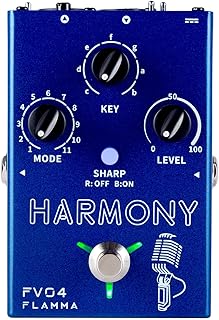
The FV04 is a vocal effects processor with reverb and harmony functions. Its listed features include 12 pitches and 11 harmony modes, with use for singing and recording. This makes it a more specialized pick than a basic reverb pedal: the main distinction is its vocal harmonizer, while reverb is one part of its feature set.
Best for: Singers who want vocal harmonies along with reverb. It was selected because it is explicitly described as a voice and microphone-oriented effects processor, rather than only a guitar pedal.
Better for a different need: Choose a simpler vocal processor if you do not want harmony features. The product information provided does not list the exact input and output connections, so verify microphone and mixer compatibility before purchase.
Donner Verb Square Digital Reverb

The Donner Verb Square is a guitar reverb pedal with seven listed modes: Room, Hall, Church, Spring, Plate, Studio, and Mod. The variety gives guitarists several named reverb styles to compare in one pedal. The product description also lists true bypass.
Best for: Guitarists who want multiple reverb modes, or audio users who already have a suitable way to route a microphone signal through an instrument pedal. It was selected as a flexible reverb option, but it is not described as a microphone-specific processor.
Caution: Do not assume this pedal accepts a microphone directly. A mic-level signal and a guitar-pedal input may require different connections or signal handling. Check the manufacturer’s connection specifications and plan for an appropriate preamp or mixer routing if needed.
FLAMMA FC02 Digital Reverb Pedal

The FLAMMA FC02 offers three listed reverb effects: Church, Plate, and Studio. It is identified as a digital guitar pedal and includes true bypass. Compared with the Donner model, its description lists fewer modes, which may suit buyers who want a shorter selection of named effects rather than seven options.
Best for: Guitarists seeking a compact-feature reverb choice, or users with a mixer or other setup that can appropriately integrate an instrument pedal into a vocal signal path. It was selected because it provides several familiar reverb types in a straightforward pedal format.
Limitation: The product details do not identify it as a microphone processor or state that a mic can connect directly. Confirm the signal level and connectors for your full setup before using it with vocals.
AKLOT NEON Halo Reverb Pedal

The AKLOT NEON Halo is described as a reverb pedal that ranges from subtle room ambience to expansive hall and shimmer tails. Its listed controls include mix and decay, and its description mentions dynamic, touch-responsive decay and true bypass. These features make it a choice for users who want to adjust the blend and length of the reverb effect.
Best for: Guitarists or technically prepared audio users who want mix and decay controls for shaping reverb. It was selected for its adjustable effect character, rather than for direct microphone compatibility.
Caution: The supplied product information does not specify a microphone input. Avoid assuming it will connect directly to a mic; check the detailed specifications and signal-chain requirements first.
Buying Guide: How To Choose A Reverb Pedal For A Microphone
Does the pedal need to be designed for vocals?
For a straightforward microphone setup, start with a product described as a vocal processor or microphone effect pedal. The FV01 is listed as a vocal effects processor with reverb and microphone-amplifier functionality. The FV04 is also a vocal processor, with harmony as a prominent additional feature. These descriptions make them more directly relevant to singers than pedals labeled for guitar.
A guitar reverb pedal may still be useful in a vocal effects chain, but the word “reverb” alone does not confirm direct microphone support. Before choosing one, check the product specifications for input and output connections, supported signal level, and intended instrument or audio source.
What signal path will work with your microphone?
A typical microphone produces a different signal from an electric guitar. Depending on the mic and pedal, a mixer, preamp, interface, or other routing equipment may be needed to get the signal to the pedal at a suitable level and return it to the rest of the system. The exact setup depends on the equipment; do not assume that an adapter alone solves a signal-level mismatch.
Map the entire chain before purchasing: microphone, any required preamp or mixer output, effects pedal, and final mixer, interface, amplifier, or recording input. Check connector types and whether the pedal’s specifications support the planned routing. If those details are not clear, choose a processor expressly described for vocal use or ask the manufacturer.
Do you want reverb alone or other vocal effects?
Choose a simpler reverb-focused pedal if you only need ambience and already know how it will fit into your signal chain. Choose the FV01 if pitch correction and delay alongside reverb are useful. Choose the FV04 if harmony modes are a priority. Extra effects can be helpful, but they may add controls and setup decisions that are unnecessary for a basic vocal reverb sound.
For guitar-oriented pedals, compare the listed reverb choices. The Donner Verb Square lists seven modes, while the FLAMMA FC02 lists Church, Plate, and Studio. The AKLOT description emphasizes mix and decay controls and a range from room ambience to hall and shimmer tails. These are differences in the provided product descriptions, not evidence that one will sound best with a particular microphone.
How much control do you need?
Think about whether you need several preset-style effect types or more direct adjustment of the reverb blend and length. A wider mode selection can help when you want to compare room, hall, plate, or other named styles. Mix and decay controls can be useful when you want to shape how prominent or long the effect is. Confirm the actual controls and operating details in the product listing before deciding.
For spoken-word use, a subtle effect may be easier to understand than a long, prominent tail. For singing, the preferred amount can depend on the room, performance style, and other effects in the chain. The product information here does not establish exact settings, so treat effect descriptions as starting points rather than guarantees.
What should you check before buying?
- Microphone support: Look for explicit vocal or microphone use in the product description and specifications.
- Connections: Confirm the input and output types match your microphone and other equipment.
- Signal handling: Check whether the pedal is intended for mic-level, instrument-level, or another signal type.
- Effect needs: Decide whether you need reverb only, or also pitch correction, delay, or harmony.
- Routing: Plan how the processed signal will reach your mixer, recording interface, amplifier, or streaming setup.
- Controls: Compare the effect modes and adjustment options that are actually listed.
Frequently Asked Questions
Can I plug a microphone directly into a guitar reverb pedal?
Not necessarily. The guitar pedals listed here are described as guitar pedals, and their supplied details do not confirm direct microphone input. Check the manufacturer’s specifications and determine whether your signal chain needs a preamp, mixer, or other equipment.
Which product in this list is most directly intended for vocals?
The FLAMMA FV01 and FV04 are both described as vocal effects processors. The FV01 lists pitch correction, delay, and reverb; the FV04 lists reverb and vocal harmony features.
Which pick includes vocal harmony modes?
The FLAMMA FV04 lists 12 pitches and 11 different harmony modes, as well as reverb. It is the most relevant choice here for singers who want harmony effects as well as ambience.
Which guitar pedal lists the most reverb modes?
The Donner Verb Square lists seven modes: Room, Hall, Church, Spring, Plate, Studio, and Mod. Its description identifies it as a guitar reverb pedal, so verify microphone signal compatibility before using it for vocals.
What do mix and decay controls do?
Mix generally refers to the balance between the unaffected signal and the effect, while decay refers to how long the reverb continues. The AKLOT product description specifically lists mix and decay controls; consult its instructions for exact operation.
Is a vocal harmony pedal the same as a dedicated reverb pedal?
No. A vocal harmony pedal adds harmony-related processing, while reverb is an effect that adds a sense of space or ambience. The FV04 includes both according to its description, but its harmony features are a key reason to choose it over a reverb-only option.