
Best Sand Blocks for Musical Rhythm Learning for Kids
Looking for safe, durable wooden sand blocks that help children learn rhythm and percussion? The best options are sturdy, kid-friendly blocks made from natural wood with smooth edges and a clear tapping sound. This guide highlights five top picks perfect for at-home practice or classroom use, focusing on safety, grip, and ease of play. The recommended items suit preschoolers, kindergarten students, and early learners who want to explore basic rhythm concepts without complex equipment.
| Product | ||
|---|---|---|
| Totority Wooden Sand Blocks (5 Pairs) | Natural beech wood, multiple pairs | Classrooms and home learning for groups |
| GALPADA 8 Pairs Wooden Sand Blocks | Natural wood, sandpaper grip | Rhythm training and large group activities |
| SEHOI Set of 2 Wood Block Percussion | Solid beechwood, mallets | Focusing on louder tones and resonance |
| Rcniso Musical Sand Block (1 Pair) | Beech wood, sandpaper | Young beginners and home practice |
| VOSAREA Wooden Sand Blocks (1 Pair) | Compact, easy hold | Compact practice and travel-friendly sessions |
Totority Wooden Sand Blocks – 5 Pairs
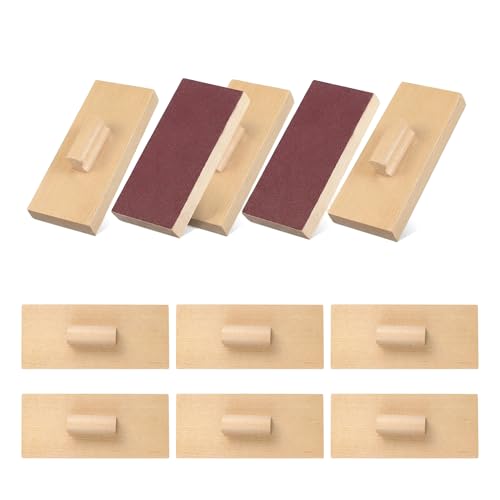
Product highlights emphasize natural beech wood, a smooth finish, and kid-safe edges. These blocks are designed for repeated classroom or home use where younger learners explore rhythm and timing. The multiple pairs provide opportunities for small group play or partner activities. Best for teachers who want a versatile set for a full music lesson and for families seeking durable blocks for daily practice.
Best for: large groups, early rhythm exploration, and ongoing classroom activities. Why chosen: durable natural wood with safe sanding and tactile richness helps children engage in beat patterns and timing without plastic distractions. Caution: when used in active classroom settings, ensure supervision to prevent rough handling that could cause wear over time.
GALPADA 8 Pairs Wooden Sand Blocks

These blocks offer a larger quantity with natural wood and a textured grip for easy handling. The rhythm sounds produced combine smooth swish with percussive clap, making them suitable for teaching beat patterns and sensory play. Their easy-grip design supports secure handling by small hands during group or solo sessions. Best for: classrooms with multiple learners and parents seeking a broad set for varied activities. Choose this if you want a wider range of rhythm training options. Limitation: the larger set may require more storage space.
Totority Wooden Sand Blocks – 2 Pack
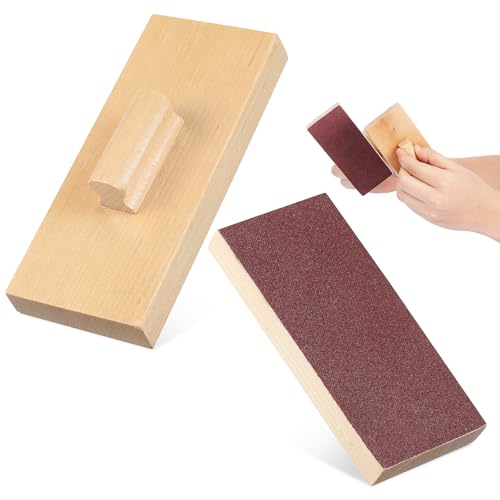
These compact blocks are designed for hand-held play and rhythm practice. The sandpaper surface creates a distinct friction sound when rubbed, helping kids develop tempo and timing. Best for: beginners and small-group activities where lightweight instruments are preferred. Caution: while safe for most audiences, supervise if younger children chew or mouth objects during play.
SEWACC 1 Pair Wooden Sand Block
SEWACC offers a single wooden sand block with a crisp sandpaper clapper design. It’s ideal for introducing rhythm and percussion in preschool classrooms or at home. Best for: beginners who prefer a simple instrument without extra pieces. Limitation: only one block per purchase means fewer simultaneous players without additional sets.
Lovermusic Sand Block – Pack of 1

These wood blocks emphasize a polished look and light weight, making them suitable for daily classroom use or home practice. Best for: quick-start rhythm sessions and travel-friendly learning kits. Caution: check that the finish is smooth and free of splinters for younger children.
Buying Guide: How to Choose The Right Sand Blocks For Kids
- Material and safety: Look for solid wood (preferably beech or maple) with smooth, burr-free edges. Sandpaper or textured surfaces should promote grip while avoiding splinters.
- Grip and size: Choose blocks designed for small hands—compact dimensions and rounded edges improve control and reduce fatigue during longer sessions.
- Sound clarity: Clear, crisp friction or percussion sounds help children hear rhythm cues. Avoid overly loud or muted surfaces that hinder beat perception.
- Durability and care: Reputable wooden blocks withstand frequent handling. Consider sets with multiple blocks for group activities and easier replacement if needed.
- Set composition: Larger sets offer more teaching flexibility for classrooms; smaller sets are ideal for home use or one-on-one sessions.
- Age suitability: For toddlers, prioritize safety and simple design. For preschool and kindergarten, select blocks that encourage rhythm pattern practice and coordination.
- Portability: Lightweight designs support practice in multiple spaces, including travel between home, car, and classroom.
Usage Scenarios and Tips
- Use in a circle for group rhythm games, with each child tapping in turn to build ensemble timing.
- Incorporate into daily warm-ups to establish tempo recognition before singing or movement activities.
- Pair blocks with simple songs to reinforce beat patterns and duration of notes.
Frequently Asked Questions
- Are wooden sand blocks safe for toddlers? Yes, when they have smooth edges and are free of small detachable parts. Supervision is recommended for very young children.
- What material is best for durability? Hard beech or maple woods with a durable finish tend to last longer in busy classrooms.
- How many blocks should I start with? A starter kit of 4–8 blocks is typically enough for small groups or a single child’s practice.
- Can these blocks help with early music education? Yes. They teach rhythm, timing, coordination, and focus—core skills for early music learning.
- Do blocks come in pairs or sets? Both options exist. Sets provide more versatility for group activities; single blocks suit solo practice.
- Is there a recommended age range? Most products target ages 1 year and up, with appropriate supervision for younger children.