Best Simple Music Player for Elderly: Easy Listening for Dementia and Vision Impairments
The following article highlights five easy-to-use music players designed for seniors and caregivers. Each option focuses on one-button operation, large controls, and memory playback to reduce frustration and promote independent listening. All devices support simple plug-and-play setups, no WiFi or Bluetooth required, and emphasis on reliability for memory loss or visual impairment. The list below helps caregivers compare features, ease of use, and suitability for dementia, Alzheimer’s, and low-vision needs.
| Brand | Product | Key Benefit |
|---|---|---|
| iGuerburn | Retro Simple Music Player (Cyan) | One-touch on/off; large buttons; memory playback |
| ClaspVital | One-Touch Simple Music Player (Red) | One-button operation; large memory; high-volume |
| Healvaluefit | Simple Music Player (GrayishWhite) | Side volume switch; no wifi; 32GB memory |
| SavvyBloom | Simple Music Player (Cyan) | Large on/off button; FM-free; 32GB TF card |
| VigorKeeper | Simple Music Player (Blue) | One-Touch play; easy plug-and-play |
iGuerburn Simple Music Player — Cyan

The device is designed with elderly-friendly controls, featuring large buttons and a hidden volume knob for simple operation. It enables users to turn the player on and off easily and listen to music anytime. Its big size resembles a retro desktop radio, aiding those with low vision or memory challenges. Out of the box, the player requires no battery; you drag tracks onto a TF card and plug in power. It includes memory playback that resumes from the last stop, preventing songs from restarting unexpectedly.
ClaspVital One-Touch Music Player — Red

ClaspVital emphasizes powerful sound and straightforward use. It offers high-quality highs and robust bass, with a 120 dB volume ceiling for hearing-impaired users. One-button on/off and a side volume knob support real-time adjustment. The player ships with a 32GB TF card capable of holding up to 1200 FLAC songs or 6000 MP3 tracks, which helps reduce frequent file management and simplifies playback for dementia or Alzheimer’s patients. It blends simplicity with comprehensive audio performance.
Healvaluefit Simple Music Player — GrayishWhite

Healvaluefit focuses on minimal steps and a side volume switch to help prevent accidental changes. The one-touch playback suits users with dementia, Alzheimer’s, or visual impairment. It requires no wifi or Bluetooth, relying on a TF card for music and audiobooks. With 32GB memory, it can store thousands of files, making it easy to curate a personal listening library. The design emphasizes straightforward operation and reduced setup time for caregivers and seniors alike.
ClaspVital One-Touch Music Player — Blue
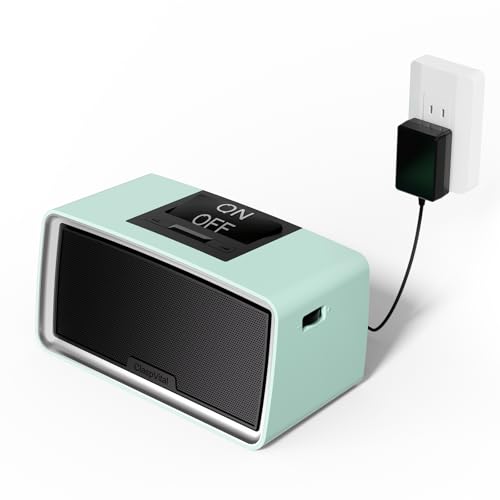
This ClaspVital model mirrors its red sibling with strong audio and memory capacity. It provides one-touch control and an adjustable side knob for real-time volume changes, making it suitable for users with dementia or low vision. The device ships with a 32GB TF card, enabling a large library of MP3 or FLAC files. Its reliability and simple interface are designed to minimize caregiver support while maximizing listening independence.
VigorKeeper Simple Music Player — Blue

VigorKeeper offers a highly accessible one-touch play experience with an extra-large, easy-to-see ON/OFF button. The plug-and-play design avoids Bluetooth pairing and WiFi, appealing to seniors who prefer a straightforward gadget without frequent charging. It targets dementia and Alzheimer’s support by ensuring playback resumes exactly where it left off. The blue model emphasizes a calm, high-contrast aesthetic that can aid users with low vision.
Buying a simple music player for an elderly loved one often centers on ease of use, reliability, and the ability to enjoy familiar songs without technical hurdles. Across these options, the common strengths include large physical controls, memory playback, and straightforward power or volume adjustments. Some devices rely on memory-friendly features like resuming playback, while others emphasize high-volume capability for hearing-impaired users. Caregivers should consider whether a 32GB memory is sufficient, how many songs are needed, and whether a built-in screen is necessary for navigation.
Buying Guide: Key Purchase Considerations
- Ease of use: Look for a clearly labeled on/off switch, large buttons, and a simple volume control. Devices that resume playback from where they left off can reduce frustration.
- Storage capacity: 32GB is common and supports thousands of MP3s or several hundred hours of audio. Consider the user’s listening habits and preferred formats (MP3 vs FLAC).
- Power and setup: Prefer plug-in operation with minimal setup. No WiFi or Bluetooth reduces potential connectivity issues and maintenance tasks for caregivers.
- Audio quality and volume: High output or crystal-clear vocals assist users with hearing impairment. A stable, distortion-free sound at higher volumes is beneficial.
- Design and accessibility: Large, high-contrast controls and a compact, sturdy frame help seniors with tremors or poor vision. A retro radio-like appearance can increase familiarity.
- Content management: Check how easy it is to load music or audiobooks onto the device. Some products use TF cards for offline playback, which can simplify use for elders who resist digital streaming.
- Durability and safety: Consider devices with durable construction and safety features that prevent accidental battery exposure or sharp edges.
When selecting a model, balance the user’s cognitive and visual needs with caregiver capabilities. Devices offering straightforward charging, simple track navigation, and reliable memory functions typically yield the best long-term user experience. The five options described above provide a spectrum from classic retro styling to modern, high-clarity audio, all with a focus on reducing setup barriers and supporting independent listening.