
Best Standard Gauge Acoustic Guitar Strings for Clear, Bright Tone
When choosing standard gauge acoustic guitar strings, aim for sets that emphasize balanced warmth, crisp projection, and reliable longevity. This guide highlights five widely used options ideal for players seeking a classic bright-to-warm acoustic voice. The selections cover popular brands and gauge ranges, and they’re suited for a variety of styles—from folk and pop to fingerpicking and strumming. Below is a quick summary to help you compare at a glance.
| Product | Type | Best For | Notable Benefit |
|---|---|---|---|
| D’Addario EJ11 80/20 | 80/20 Bronze | Bright, loud projection | Original bronze brightness |
| D’Addario EJ16 Phosphor Bronze | Phosphor Bronze | Balanced warmth | Popular all-around choice |
| Ernie Ball Earthwood Medium 80/20 | 80/20 Bronze | Bigger tone | Mid-heavy tension option |
| Ernie Ball Earthwood Light 80/20 | 80/20 Bronze | Playability with brightness | Light gauge for ease |
| D’Addario EJ12 80/20 Medium | 80/20 Bronze | Classic bright tone | Medium gauge, strong projection |
Buyer profiles: beginners often prefer light gauges for easy fretting; players seeking a traditional bright signature tone may gravitate toward 80/20 sets. Songwriters and rhythm players often lean toward phosphor bronze for warmth with clarity. In the sections below, each product is evaluated for who it’s best for and why it stands out for standard gauge play.
D’Addario EJ11 80/20 Bronze Strings
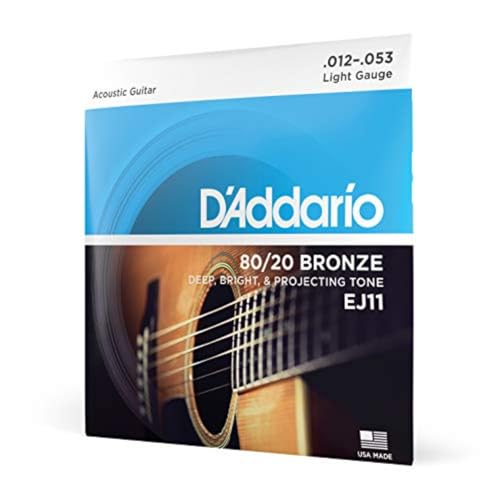
Type: 80/20 Bronze. The core is hexagonal high-carbon steel, precision wound, producing a bold, bright sound with crisp projection. This set is the original acoustic string formulation, representing a classic bright voice for strummers and players who want maximum sparkle on top ends. Best for players who want traditional brightness and strong presence in live settings. Caution: 80/20 strings can sound very bright with bright pick attack and might be less forgiving in very hot rooms.
D’Addario EJ16 Phosphor Bronze Acoustic Strings
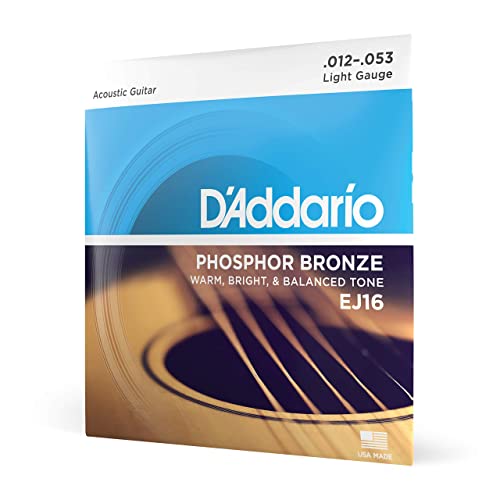
Type: Phosphor Bronze. This set offers warmth and balance across the spectrum, with a classic acoustic tone suitable for all genres. It is the standard in many studios and stages, providing reliable projection without the harsh brightness of pure bronze. Best for players seeking a versatile, all-purpose tone and long-term corrosion resistance. Caution: Phosphor bronze strings can darken slightly with heavy pick technique or aggressive strumming on brighter tops.
Ernie Ball Earthwood Medium Light Phosphor Bronze

Type: Phosphor Bronze, Medium Light. Warm, rich tone with excellent projection and clarity. This gauge sits between light and medium, offering comfortable playability while maintaining a pronounced acoustic voice. Best for players who want more sustain and a fuller midrange without sacrificing ease of playing. Limitation: slightly more tension than light sets, which can require more finger effort on beginners.
Ernie Ball Earthwood Medium 80/20 Bronze

Type: 80/20 Bronze, Medium. Bright, balanced tone with strong projection. This set offers bigger sound and more string tension than light gauges, making it suitable for players wanting greater dynamic range and a louder presence. Best for strumming and rhythm players who favor a robust voice. Caution: higher tension can be harder on beginners or players with lighter finger technique.
Fixto 12-53 Light Gauge Phosphor Bronze

Type: Phosphor Bronze. These strings deliver vibrant high-frequency resonance with a balanced low end. They maintain a crystal-clear top end while offering warmth across the midrange. This set is well-suited for studio work and live performances where a clear, present acoustic voice is desired. Caution: the focus on brightness may emphasize picking attack in bright rooms, so players may adjust picking dynamics accordingly.
Buying Guide: Key Considerations For Standard Gauge Acoustic Strings
What gauge should you choose? Standard gauges typically range from light to medium. Light gauges favor easy fretting and bends, while medium gauges offer more volume and tension. Consider your playing style: strumming and rhythm players may prefer brighter 80/20 sets, while fingerpickers can benefit from phosphor bronze warmth.
Which material matters? Phosphor bronze strings tend to be warmer and more balanced, suitable for a broad range of genres. 80/20 bronze strings provide brighter, crisper tone with more projection, and can be more responsive to picking dynamics. Corrosion resistance and longevity vary by coating, alloy, and winding method.
How do I care for strings? Wipe strings after playing to remove oils and sweat. Change strings every 1–3 months depending on playing frequency and environment. Clean fingerboard and bridge to maintain tone. Avoid over-tightening and use proper tuning pegs to prevent slippage.
Which set should beginners start with? A light gauge phosphor bronze set is a common entry point for beginners due to ease of playability and balanced tone. For players seeking brighter tones, 80/20 sets can offer more snap and sparkle in bright rooms or on brighter guitars.
Frequently Asked Questions
- What are standard gauge acoustic strings? They are typically light to medium gauges designed for comfortable fretting and balanced tone on most dreadnought and concert guitars.
- Which brand is most durable? Durability depends on winding and core construction; D’Addario and Ernie Ball are widely respected for core and wrap consistency.
- Are phosphor bronze strings better than phosphor bronze wound on steel? Phosphor bronze is a balanced choice; the winding is the same material, but string construction affects tone and tension slightly.
- How often should I change strings? Players who play daily may replace every 1–2 months; casual players every 3–4 months or longer with coated sets.
- Which set is best for bright tone? 80/20 bronze sets generally deliver brighter brightness and more projection than phosphor bronze sets.
- Can I use these on any acoustic guitar? Most standard gauge sets fit most steel-string acoustics; if your guitar has a fragile neck or unusual scale, consult the manufacturer’s guidance.