
The Yamaha 4C is a straightforward starting point for many new tenor saxophone players, while the BetterSax Classic is designed specifically for beginners seeking a hand-finished option. The Yamaha 5C and Libretto 5C kit offer alternatives with a 5C tip opening, and the BetterSax alto mouthpiece is not a tenor saxophone mouthpiece. Compare the instrument fit, tip opening, material, and included accessories before choosing.
| Product | Best For | Notable Feature |
|---|---|---|
| Yamaha 4C | Beginners seeking a standard option | Designed to help beginners produce a sound |
| BetterSax Classic Tenor | New players wanting a hand-finished design | Made in the USA and described as reed friendly |
| Yamaha 5C | Players considering a larger tip opening | Slightly larger opening than the 4C |
| Libretto Tenor 5C Kit | Students wanting a mouthpiece set | Includes a cap and ligature |
| BetterSax Classic Alto | Alto saxophone players only | Not intended for tenor saxophone |
Yamaha 4C Tenor Mouthpiece

The Yamaha 4C is a tenor saxophone mouthpiece made from phenol resin plastic. Yamaha describes it as the original-equipment 4C mouthpiece supplied with its standard, intermediate, and professional series tenor saxophones. Its design is intended to help beginners produce a sound, making it a practical baseline for a student or a player replacing a basic mouthpiece.
Best for: New tenor saxophonists, school-band players, and buyers looking for a familiar standard-style mouthpiece. It was selected because the product details identify it specifically as a tenor model and describe its beginner-focused design.
Consider: The listed details do not include a cap or ligature, so check what is included before assuming this is a complete setup. Players seeking a larger tip opening or a particular tone profile may want to compare it with the 5C or other options.
BetterSax Classic Tenor Mouthpiece

The BetterSax Classic is presented as a beginner-friendly tenor saxophone mouthpiece for concert band, jazz band, and marching band. The product information says it is made in the United States and hand-finished in Elkhart, Indiana. It also highlights the shaping of the tip, rails, facing, and table, and describes the design as reed friendly.
Best for: Beginners who want a tenor-specific mouthpiece with a stated focus on accessible playability and careful finishing. It is a useful comparison with the Yamaha 4C for buyers who want to consider a different maker and construction description.
Consider: The supplied details do not state a tip-opening measurement or include information about a cap or ligature. Buyers comparing mouthpieces by measurements or looking for a complete accessory set should verify those details before choosing.
Yamaha 5C Tenor Mouthpiece

The Yamaha 5C is a standard-series tenor saxophone mouthpiece made from phenol resin plastic. Its listed tip opening is slightly larger than the Yamaha 4C’s, and Yamaha describes it as offering a richer tone with flexibility and response. The difference in opening makes it a relevant alternative for players comparing the two Yamaha sizes.
Best for: Tenor players who want to compare a slightly larger tip opening with the 4C. It may suit buyers who are moving beyond a basic setup or who have been advised to try a 5C, but reed choice and playing comfort also affect the result.
Consider: A larger tip opening is not automatically a better fit for every player. Beginners should follow guidance from a teacher or band director, particularly when matching the mouthpiece with a reed strength.
Libretto Tenor 5C Mouthpiece Kit

The Libretto set includes an ABS 5C tenor mouthpiece, a plastic cap, and a gold-lacquered ligature. Its product details describe the 5C tip opening as offering comfortable resistance for beginners developing tone and breath control. The mouthpiece is described as lightweight and suitable for general use, including school-band rehearsals and student performances.
Best for: Beginners and intermediate students who want a mouthpiece packaged with a cap and ligature. The included components make this a practical set to compare with mouthpieces sold without those listed accessories.
Consider: The product information does not provide a specific tip-opening measurement or detailed fit information for particular saxophones. Confirm that the mouthpiece is appropriate for the player’s instrument and check whether any other required items are included.
BetterSax Classic Alto Mouthpiece
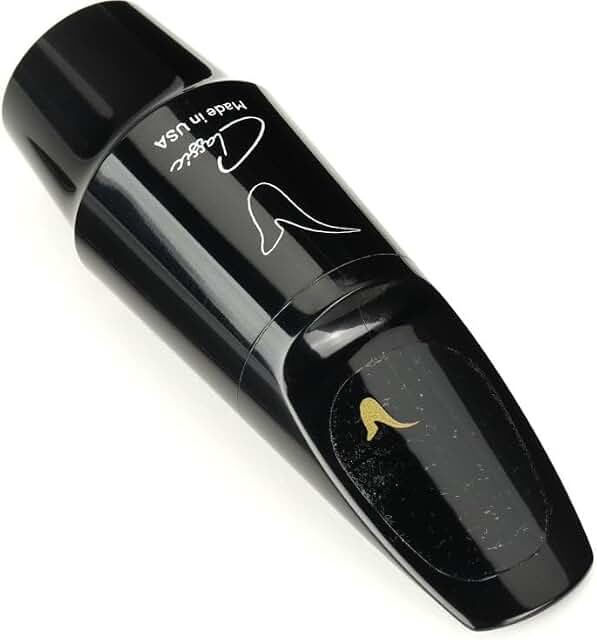
This BetterSax Classic is identified as an alto saxophone mouthpiece, not a tenor model. Its listed features include durable plastic construction, a balanced design intended to respond across the alto saxophone’s range, and a smooth surface that is easy to clean. It is included here as an instrument-fit reminder, not as a tenor recommendation.
Best for: Alto saxophone players shopping for an alto mouthpiece. It was selected only to help prevent a common buying mistake when comparing saxophone mouthpieces online.
Consider: Do not choose this product for a tenor saxophone. The listing identifies it for alto saxophone, and the supplied details do not establish that it fits a tenor. Check the instrument name in the listing before purchasing.
Buying Guide: How To Choose A Tenor Sax Mouthpiece
Does the mouthpiece fit a tenor saxophone?
Start by checking that the product is explicitly identified as a tenor saxophone mouthpiece. Alto and tenor mouthpieces are not interchangeable simply because both are saxophone accessories. The BetterSax Classic Alto in this comparison is intended for alto saxophone, so tenor players should choose one of the products labeled for tenor.
If you are replacing a mouthpiece, compare the instrument type and the model details with your current setup. When a listing is unclear, ask a music retailer, instructor, or the product seller to confirm before ordering.
Should you choose a 4C or a 5C?
A model number alone does not explain the entire playing experience, but the listed Yamaha details provide a useful comparison: the 5C has a slightly larger tip opening than the 4C. Yamaha describes the 5C as offering a richer tone with flexibility and response, while the 4C is described as designed to help beginners make a sound.
Choose based on comfort, playing level, reed choice, and advice from a teacher. A larger opening may feel different under the player’s embouchure and can affect which reed strength feels comfortable. Do not assume that moving to a larger opening will automatically improve tone or projection.
What material and construction details matter?
The Yamaha 4C and 5C are made from phenol resin plastic. The Libretto kit uses ABS material. BetterSax describes its Classic Tenor as made in the USA and hand-finished, with attention to the tip, rails, facing, and table. These descriptions can help shoppers compare construction, but they do not replace trying a mouthpiece when that option is available.
Look for clear product information about the material, finish, tip opening, and included parts. If a listing does not state a measurement or accessory, do not assume it is included.
Do you need a mouthpiece kit?
A mouthpiece kit can be convenient if it includes parts you need. The Libretto set lists an ABS mouthpiece, plastic cap, and gold-lacquered ligature. The other listed product details do not specify the same accessories. Check your current equipment before buying so you do not duplicate items or leave out a needed component.
Which option fits a beginner or school-band student?
The Yamaha 4C, BetterSax Classic Tenor, and Libretto 5C kit all have beginner-oriented descriptions. The Yamaha 4C is described as designed to help beginners make a sound; BetterSax emphasizes beginner playability and reed friendliness; and Libretto highlights comfortable resistance for developing tone and breath control.
For a student, the best choice is often the one recommended by the instructor or band program. A consistent setup can make lessons and ensemble practice easier to manage, especially when a teacher is helping the student select reeds and develop embouchure.
Frequently Asked Questions
What is a good tenor sax mouthpiece for a beginner?
The Yamaha 4C, BetterSax Classic Tenor, and Libretto 5C kit are all described with beginner use in mind. Compare the 4C’s beginner-focused design, BetterSax’s hand-finished construction, and Libretto’s included cap and ligature.
What is the difference between Yamaha 4C and 5C tenor mouthpieces?
The listed Yamaha 5C has a slightly larger tip opening than the 4C. Yamaha describes the 5C as offering a richer tone with flexibility and response, while the 4C is designed to help beginners produce a sound.
Does the Libretto tenor mouthpiece include a ligature?
Yes. The product details list a gold-lacquered ligature and plastic cap with the ABS 5C tenor mouthpiece.
Can I use an alto saxophone mouthpiece on a tenor saxophone?
The BetterSax Classic Alto listing identifies the product as an alto mouthpiece, not a tenor mouthpiece. Choose a product specifically listed for tenor saxophone rather than assuming the mouthpieces are interchangeable.
Should I choose a mouthpiece based only on its tip opening?
No. Tip opening is one comparison point, but comfort, reed strength, playing experience, and instructor guidance also matter. The supplied details identify the Yamaha 5C as having a slightly larger opening than the 4C, but they do not establish that it is right for every player.