
Best Thickest Electric Guitar Strings for Rich Tone and Durability
If you’re seeking thicker gauge electric guitar strings that deliver more sustain, heavier rhythm tone, and robust bends, you’re in the right place. This guide highlights five top options geared toward players who want a sturdier feel and stronger projection. Best for players prioritizing stability, endurance, and a fuller low end, these selections range from classic 10-46 sets to robust 10-52 configurations. The summary table below helps you compare key choices at a glance.
| Product | ||
|---|---|---|
| Ernie Ball Regular Slinky Nickel Wound Electric Guitar Strings (P02221) | 10-46 | Balanced, versatile rock and metal styles |
| Ernie Ball Skinny Top Heavy Bottom Slinky (P02215) | 10-52 | Thicker bottom strings for rhythm and power |
| D’Addario NYXL1046 | 10-46 | Stable tuning, strong mid-range bite |
| D’Addario XL Nickel EXL110-3D | 10-46 | Bright tone with reliability across genres |
| Elixir Nickel Plated Steel NANOWEB 10-46 | 10-46 | Long-lasting tone and smooth feel |
Ernie Ball Regular Slinky 10-46

Best for players seeking a universal, dependable electric set with a classic feel. These regular gauge strings are the industry standard and favored by many genres for balanced tone and playing ease. The 10-46 range provides a comfortable playing experience with solid all-around performance. A potential drawback is that they may require more frequent tuning during aggressive tremolo use or heavy picking compared to coated options.
Ernie Ball Skinny Top Heavy Bottom 10-52

Best for players who want a strong rhythm section with punchy low strings and easy upper-end playability. The skinny top strings (E, B, G) offer shred-friendly feel, while the heavier bottom strings (D, A, E) deliver thicker chords and sustain. Caution: the tension on the high strings is heavier than standard sets, which may require a bit more finger strength and setup adjustment.
Ernie Ball Regular Slinky 3-Pack 10-46

Best for players who prefer consistency and value with multiple sets. A three-pack ensures you always have a fresh set on hand, helpful for players who play aggressively or frequently change strings. The standard 10-46 gauge remains versatile across styles. Limitation: no explicit coated protection, so longevity depends on playing conditions and technique.
D’Addario NYXL1046

Best for players who want enhanced tuning stability and stronger mid-range presence. NYXL1046 strings are designed for higher strength and a more responsive mid-range, helping you cut through the mix. They stay in tune longer and resist breakage better than some standard sets. Caution: slightly stiffer feel for beginners or players with a lighter attack.
D’Addario XL Nickel EXL110-3D
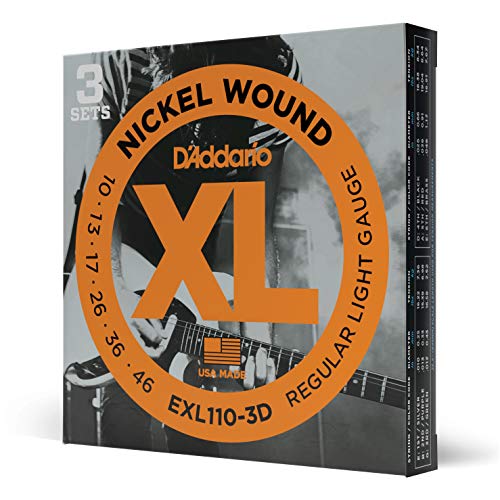
Best for players who want a classic bright electric tone with reliable durability across multiple sets. The EXL110-3D three-set bundle provides consistent feel and intonation, making it a solid choice for gigging musicians. Caution: uncoated construction may wear a bit faster under heavy sweat exposure or rough playing styles.
Elixir NANOWEB 10-46
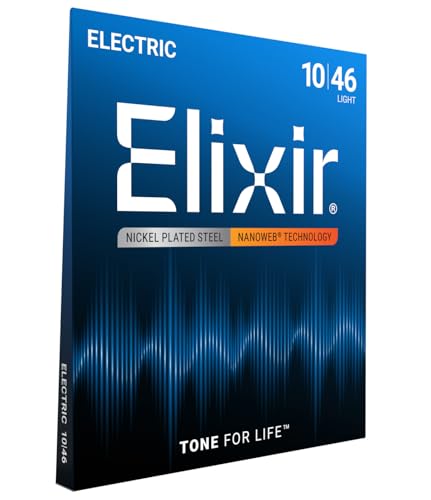
Best for players who want maximum tone longevity and corrosion resistance. NANOWEB coating preserves brightness and smooth feel for a longer period compared to uncoated strings. The 10-46 gauge provides a balanced blend of playability and volume. Limitation: coated strings can feel slightly smoother but may feel different to players used to uncoated sets.
Buying Guide: Thick Gauge Electric Strings
What should you consider when choosing thick electric strings?
- Gauge balance: 10-46 is versatile; 10-52 offers more low-end thump and tension. Choose based on playing style and neck tension tolerance.
- Coated vs uncoated: Coated strings last longer but may feel slicker and slightly brighter at first; uncoated strings feel crisper but wear faster.
- Tension and setup: Higher gauges increase tension; you might need a truss rod adjustment, bridge saddles, or nut/file checks for optimal intonation and feel.
- Tonal goals: If you want more sustain and chunkier rhythm, thicker gauges help; for shredding or bright solo work, you might still prefer lighter top strings with a thicker bottom.
- Play style and maintenance: Gigging players benefit from longer-lasting coatings; players with sensitive fingertips may prefer slightly lighter top strings for comfort.
FAQ
- What gauge is considered “thick” for electric guitars?
Gauges like 10-52 are commonly considered thick for electric sets, with 10-46 being the standard and 11-56 or 12-60 appearing in some heavy-bottom sets.
- Do thicker strings require more setup changes?
Yes, higher tension can affect neck relief, truss rod position, and bridge saddles. Some setups may benefit from adjustment for optimal intonation and playability.
- Are coated thick strings worth it for longevity?
Coated options offer longer life and corrosion resistance, but some players feel coatings affect tone and feel slightly compared to uncoated sets.
- Which brand offers the most stable tuning with thicker gauges?
Several brands, including D’Addario NYXL and XL lines, emphasize tuning stability and strong mid-range presence across gauges.
- Is a thicker bottom string necessary for metal players?
Thicker bottom strings can enhance palm-muted chug and rhythm robustness, though players who focus on lead work may still prefer balanced gauges with strong upper strings.