
The best vocal amp for band practice depends on whether you need a dedicated microphone channel, room-filling output, or a compact setup for singing with backing tracks. The JBL BandBox Trio is the strongest fit for louder group practice, while the COOLMUSIC 20-watt amp is a practical choice for connecting a microphone and instrument together. The YUER BA-10Pro suits portable acoustic sessions, and the JBL BandBox Solo offers practice-focused vocal and instrument separation. A Rockville amp is included as a more guitar-centered option for small sessions.
| Product | Best suited for | Notable features |
|---|---|---|
| JBL BandBox Trio | Louder group practice | 135 watts, vocal and instrument separation |
| COOLMUSIC 20-Watt Acoustic Amp | Singer-guitarists | Two channels, Bluetooth, reverb |
| JBL BandBox Solo | Practice with streamed music | 18 watts, real-time stem separation |
| YUER BA-10Pro | Portable acoustic practice | Rechargeable, microphone support, vocal cut |
| Rockville G-AMP 20 | Small guitar-led practice | Bluetooth, 20 watts, delay effect |
JBL BandBox Trio
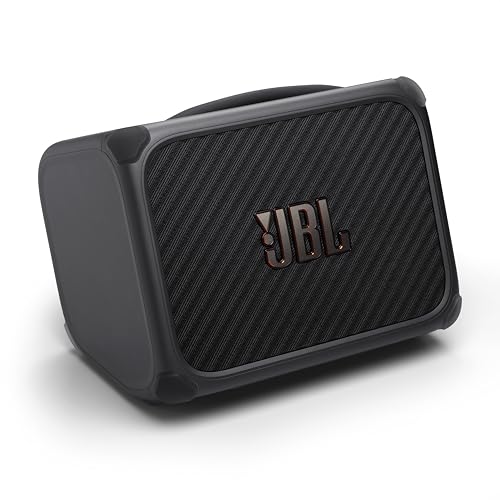
The JBL BandBox Trio is the best fit in this selection for band practice that calls for more output. Its listed 135-watt power rating, 6.5-inch woofer, and dual tweeters make it the most powerful option here by its stated specifications. It is designed as a practice amp and speaker, with features for playing along with recorded music.
Its Stem AI feature separates vocals, drums, and guitar from a streamed track in real time. That makes it useful for practicing a vocal part against a song, isolating an instrument, or using a track as a flexible rehearsal aid. Built-in amp models and effects—including chorus, phaser, and reverb—also offer ways to shape instrument sounds without bringing separate pedals.
- Best for: Musicians who want a louder practice speaker with track-separation tools.
- Why it stands out: It combines high stated output with playback and effects features.
- Limitation: The listed details do not specify microphone input types or the number of vocal channels, so check the connection requirements before buying it specifically for a microphone.
Choose the Trio over the smaller BandBox Solo if output is a priority. It is a stronger match for group rehearsal than a low-power personal practice amp, though the available product details do not establish how it will perform in every room or band setup.
COOLMUSIC 20-Watt Acoustic Amp
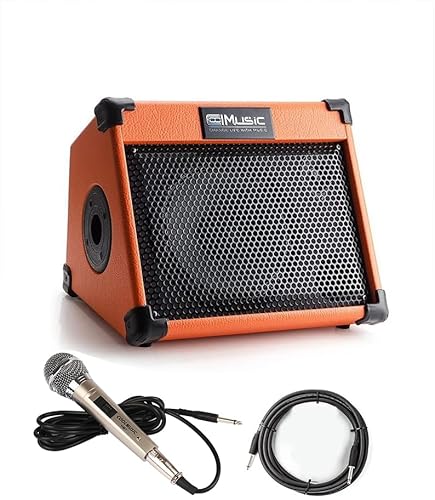
The COOLMUSIC acoustic amplifier is a useful choice for a singer who also plays guitar and wants both connected to one compact amp. Its two channels are described as supporting two different inputs, such as a guitar and microphone. This is an important distinction for vocal practice: a singer-guitarist can connect both sources without relying on a separate mixer, based on the product’s listed description.
The amp offers a three-band EQ for adjusting bass, midrange, and treble, along with built-in reverb. Bluetooth, phone input, CD/MP3 input, and USB connection options provide several ways to play music. The product listing also mentions a headphone input and DI output, giving buyers additional connection options to consider for their setup.
- Best for: Singer-guitarists who need two inputs and playback options.
- Why it stands out: It specifically lists support for a guitar and microphone, plus reverb and tone controls.
- Limitation: Its stated output is 20 watts, so it is better considered for modest practice needs than assumed to be a high-volume band PA.
Choose this model if a microphone connection is more important than advanced track separation or high stated power. Before purchase, confirm that your microphone and cable match the amp’s inputs; the supplied information does not identify every connector detail.
JBL BandBox Solo

The JBL BandBox Solo is a compact practice-oriented option for musicians who want to work with songs and shape instrument tones. It provides 18 watts of stated output and a full-range design. Its Stem AI feature can separate vocals, drums, and guitar from a streamed track in real time, which can help users focus on a specific part while practicing.
That separation feature makes the Solo relevant to vocal practice as well as instrument practice: users can work with a track while adjusting which parts remain prominent. The product also includes classic effects such as chorus, phaser, tremolo, and reverb, along with vintage and modern amp models. These features make it more versatile for song practice than a basic speaker, although its listed specifications do not establish that it is a dedicated vocal PA.
- Best for: Individual practice and lower-output sessions centered on streamed music.
- Why it stands out: It combines real-time track separation, full-range sound, and built-in effects.
- Limitation: Its 18-watt rating is substantially below the Trio’s listed 135 watts, so choose the Trio instead when higher output is the priority.
Choose the Solo if practice tools matter more than maximum volume. If your main need is amplifying a live microphone over a full band, verify the available microphone input and expected output before relying on it as your primary vocal amp.
YUER BA-10Pro Portable Amp

The YUER BA-10Pro is designed for acoustic guitar and dynamic microphone use. Its 10-watt output, compact format, and built-in rechargeable 4,000mAh battery make it a practical option for home practice or portable sessions. The manufacturer lists a 4–8-hour playtime range on a full charge; actual results can depend on usage, and the supplied information does not specify the conditions behind that range.
For singers, the listing describes microphone support through a 6.35mm connection, vocal reverb, and a vocal-cut function that turns songs into karaoke-style backing tracks. The amp also has delay and reverb effects, and it supports OTG recording and live streaming. These features are more directly relevant to solo vocal and acoustic practice than to a loud rehearsal with a full band.
- Best for: Acoustic singer-guitarists who need a portable, rechargeable practice amp.
- Why it stands out: It specifically lists dynamic microphone support, vocal effects, and vocal cut.
- Limitation: Its 10-watt output is the lowest stated power among the amplifiers in this roundup, making it a poor first choice when substantial band-practice volume is needed.
Choose the YUER for portability and acoustic practice. Avoid choosing it as a high-output band amp based on the listed power rating alone.
Rockville G-AMP 20

The Rockville G-AMP 20 is primarily a guitar combo amp, not a dedicated vocal amplifier. It has a 20-watt RMS rating, a 6.5-inch speaker, clean and overdrive modes, a three-band EQ, Bluetooth, and a built-in delay effect. Bluetooth can provide backing-track playback from a compatible device, which may be helpful during small practice sessions.
This model is included for guitar-led rehearsals where a player wants a simple amp with music playback. Its product name also lists dual inputs, but the supplied feature details do not identify those inputs as microphone inputs. That makes it less suitable than the COOLMUSIC or YUER for buyers who need confirmed microphone support.
- Best for: Guitar players seeking a small amp with Bluetooth backing-track playback.
- Why it is included: Its output and playback features can support a small practice setup, though its main purpose is guitar amplification.
- Limitation: The provided specifications do not confirm a dedicated microphone input or vocal channel.
Choose the Rockville if guitar amplification is the primary need and vocal amplification is secondary or handled separately. For a single amp expected to amplify both a singer and an instrument, prioritize a product that explicitly lists microphone support.
Buying Guide: How to Choose a Vocal Amp for Band Practice
Does the amp have a microphone input?
Start by confirming the amp accepts your microphone. A vocal amp needs a suitable microphone input, not just Bluetooth playback or an instrument input. The COOLMUSIC listing specifically describes connecting a microphone and guitar on separate channels. The YUER listing specifies support for a 6.35mm dynamic microphone. The supplied details for the JBL BandBox and Rockville models do not clearly identify microphone input types, so check the complete specifications before treating them as dedicated vocal amps.
How much output do you need?
Match the amp to the practice setting. The products here list outputs ranging from 10 watts for the YUER to 135 watts for the JBL BandBox Trio. These figures provide a comparison point, but they do not alone determine how loud an amp will sound in a particular room or whether it can keep up with a loud drummer. For group rehearsal, favor more output and confirm that the amp is designed for your intended use.
Will you sing and play an instrument at the same time?
If you need to amplify voice and guitar together, look for multiple channels and explicit microphone support. The COOLMUSIC model lists two channels for separate sources, while the YUER is described for acoustic guitar and a dynamic microphone. A guitar amp that includes Bluetooth may still lack the microphone input needed for live vocals.
Do you need playback or vocal practice tools?
Bluetooth and auxiliary playback let you practice with songs, but they are different from connecting a live microphone. The JBL BandBox models add real-time separation of vocals, drums, and guitar from streamed tracks. The YUER lists a vocal-cut function for karaoke-style practice. These features can help with learning songs, though they do not replace checking microphone compatibility.
Should you choose a rechargeable model?
A rechargeable amp can make practice more flexible when access to an outlet is limited. The YUER lists a built-in battery and a stated playtime range of 4–8 hours. The other product details here do not provide comparable battery information. Consider portability alongside output: a small battery-powered practice amp may be convenient but may not suit louder band rehearsals.
Which effects and controls matter?
Reverb can add space to a vocal or acoustic sound, while EQ helps adjust tonal balance. The COOLMUSIC includes a three-band EQ and reverb; the YUER lists reverb and delay; the Rockville offers a three-band EQ and delay. The JBL BandBox models include multiple guitar effects and amp models. Choose effects based on your practice needs, but prioritize an appropriate input and output level first.
Frequently Asked Questions
Can I use a guitar amp for vocals?
Only if it has a suitable microphone input and is appropriate for your intended sound and volume. A guitar amp’s instrument input is not automatically a microphone input. Check the specific model’s connection details before using it for vocals.
What is the best amp here for singing and guitar?
The COOLMUSIC 20-watt amp is a strong match based on its listed two-channel design for connecting a guitar and microphone. The YUER BA-10Pro is another option for acoustic guitar and dynamic microphone use, especially when portability is important.
Which option is best for practicing with songs?
The JBL BandBox Solo and BandBox Trio list real-time separation of vocals, drums, and guitar from streamed tracks. The YUER also lists a vocal-cut function for karaoke-style practice.
Is a 10-watt amp enough for band practice?
The YUER’s 10-watt rating may suit personal or low-volume acoustic practice, but it is not the strongest listed choice for louder group rehearsal. Consider the room, instruments, and band volume, and choose a higher-output option when needed.
Does Bluetooth replace a microphone input?
No. Bluetooth is for wireless audio playback from a compatible device. It does not, by itself, establish that an amp can accept a live microphone.