
Best Wireless Conference Microphone for PC: Clear Audio for Remote Meetings
Answering the call for a wireless conference microphone system that works seamlessly with a PC, this guide highlights five top options. These picks are ideal for small- to mid-size meeting rooms, home offices, and hybrid teams that need clear, noise-reduced audio. The best choice depends on room size, USB connectivity preference, and whether you value built-in speakers or simply a high-quality mic array. Below is a quick reference table of the featured products to help you compare features at a glance.
| Product | Best For | Connection | Key Benefit |
|---|---|---|---|
| EMEET M0 Plus Conference Speaker and Microphone | Small to medium conference rooms | Bluetooth / USB | 4-mic array with VoiceIA for noise reduction |
| Anker PowerConf S330 USB Speakerphone | Desk setups, home offices | USB-C | Plug-and-play, 360° pickup |
| AIRHUG Conference Speaker and Microphone | Multi-person meetings | Bluetooth & USB-C | Dual-mode connection, 6 ft pickup |
| PolaTab Q95mini USB Conference Microphone | Compact spaces with USB | USB | 360° pickup with DSP noise suppression |
| TONOR G11 USB Conference Microphone | Plug-and-play desktop setups | USB | Omnidirectional 360° capture, easy setup |
EMEET M0 Plus Conference Speaker and Microphone

The EMEET M0 Plus uses a four-microphone array for 360° voice pickup, supporting rooms with multiple attendees. It runs EMEET’s VoiceIA algorithm to reduce background noise and echoes, producing clearer audio for PC-based meetings. Best for small to medium rooms where natural, in-person-like sound is desired. A daisy-chainable option lets two devices extend coverage for larger spaces, making it flexible for growing teams. Caution: larger room setups may require channel expansion for optimal coverage.
Anker PowerConf S330 USB Speakerphone
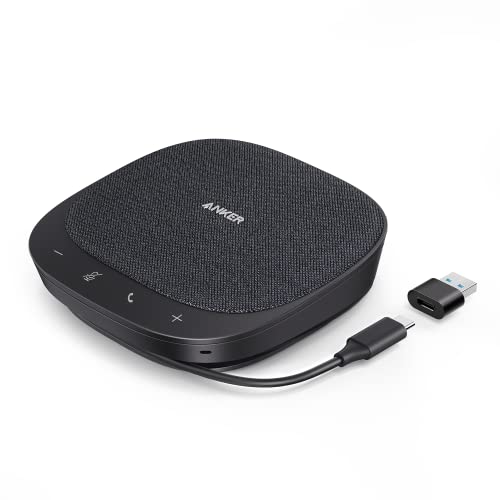
The Anker S330 emphasizes plug-and-play simplicity with USB-C connectivity, delivering 360° voice coverage for voices within about 3 meters. Its smart voice enhancement reduces background noise while sharpening voices, making it a reliable choice for home offices and small meeting rooms. Best for users who want a straightforward, stable USB setup without extra peripherals. Limitation: relies on USB connection; wireless options are limited compared to Bluetooth-enabled units.
AIRHUG Conference Speaker and Microphone

AIRHUG offers both Bluetooth and USB-C connections, enabling flexible setup in environments where multiple devices must stay in sync. Its 6 ft pickup range is suitable for small-to-medium conference rooms, and the device supports simultaneous Bluetooth and USB connections. This makes it a good pick for users who want to switch between wired stability and wireless convenience. Caution: simultaneous Bluetooth/USB use can require careful pairing to avoid cross-connection glitches.
PolaTab Q95mini USB Conference Microphone

The PolaTab Q95mini uses a 360° omnidirectional microphone with DSP-based noise suppression for clear audio in a compact form factor. It plugs in via USB for easy setup and is well-suited for small-to-mid conference spaces where a simple, reliable wired mic is preferred. Better for users who want a budget-friendly, no-frills USB option. Limitation: wired USB connection may limit placement flexibility compared to wireless solutions.
TONOR G11 USB Conference Microphone

The TONOR G11 is designed for plug-and-play operation with an omnidirectional pickup pattern and a 360° field for capturing voices across a room. It’s suitable for small to medium meetings and integrates easily with most PC setups. Choose this if you want a straightforward, affordable USB microphone that works well with common conferencing software. Caution: it’s a microphone-focused device, not a full speakerphone; audio playback may require a separate speaker.
Buying Guide
- Connectivity: Decide between USB, Bluetooth, or dual-mode devices. USB offers stable connections and easy compatibility with PCs, while Bluetooth provides wireless flexibility but can introduce intermittent latency or pairing issues.
- Pickup Coverage: Look for 360° omnidirectional mics to capture all participants. Room size matters; larger rooms may benefit from multiple mics or daisy-chain options.
- Noise Reduction: DSP, echo cancellation, and VoiceIA-like algorithms improve speech clarity in busy environments. For noisy offices, prioritize models with strong noise suppression.
- Speaker vs. Mic Focus: Some devices include built-in speakers for speakerphone capability; others are mic-only. If you need hands-free conferencing in one unit, pick a speakerphone with good full-duplex audio.
- Ease of Setup: Plug-and-play USB devices are fastest to deploy. USB-C is common on newer PCs; ensure your computer has compatible ports or adapters.
- expandability: For larger rooms, check if the device supports daisy chaining or pairing with other units to extend coverage.
Frequently Asked Questions
- What is the best wireless option for PC conference calls?
Wireless options like Bluetooth-enabled speakerphones work well for flexible placement, but wired USB devices usually offer more reliable, stable connections for PC meetings.
- Do I need a separate speaker when using a conference microphone?
It depends on the device. Some all-in-one speakerphones include built-in speakers; others are mic-only and require a separate speaker for audio playback.
- Can multiple devices be used in a single meeting room?
Yes. Some models support daisy chaining or simultaneous Bluetooth/USB connections to extend coverage or integrate with different rooms.
- What should I consider for a small home office vs. a larger conference room?
Small spaces benefit from compact USB mics with strong pickup; larger rooms may need multiple units or a model designed for wider coverage.
- Is 360° pickup necessary for conference calls?
360° pickup helps capture all participants with fewer adjustments, especially in round-table or group settings.
- Do these devices support common conferencing software?
Most listed models are designed to work with popular platforms like Zoom, Teams, Webex, and Google Meet, often via USB audio interfaces.