
Best Bass Guitar Input Jacks for Clean, Stable Signals
The best bass guitar input jacks deliver solid conductivity, reliable ground connections, and easy installation for players and technicians. This guide highlights top options suited for different needs—from quick replacements to custom wiring projects. Ideal buyers include DIY guitar/bass setups, stage technicians, luthiers, and musicians seeking durable, low-noise connections. Below are five well-matched products with practical pros, limitations, and who they’re best for. A quick buying table helps you compare at a glance.
| Product | Best For | Key Benefit |
|---|---|---|
| Pure Tone Full-contact Output Jack – 2 Pack | Durable, ready-to-mount jacks | Full-contact design for stable signal |
| Switchcraft 1/4″ Mono Input Jack | Standard replacements | Known compatibility with common plugs |
| KAISH 4-Pin Stereo/Mono Barrel Jack | Flexible wiring projects | 4 pins for versatile configurations |
| Generic 1/4″ Full-contact Output Jack | Budget, dual-ground designs | Dual grounding and dual tips for noise reduction |
| KAISH 3-Pin Brass Mono Barrel Jack | Simple, robust mono connections | Brass construction for durability |
Pure Tone Full-contact Output Jack – 2 Pack
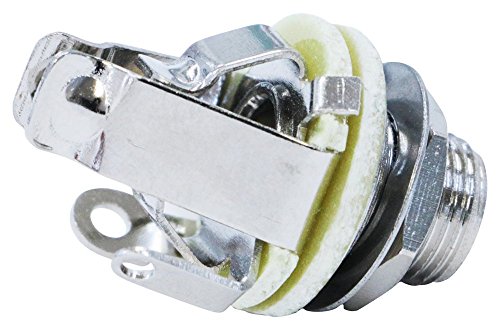
Product overview: This set includes two Pure Tone PTT1 mono full-contact output jacks with mounting hardware. It requires a 3/8 inch mounting hole and features two concave ground contacts and two concave hot leads. Best for technicians seeking reliable, surface-mitting performance and straightforward installation in instrument cavities.
Who it suits: Ideal for builders, luthiers, and players replacing worn jacks in custom bass guitars or guitar-bass hybrids. The full-contact design offers consistent contact across use, helping to minimize intermittent signal issues.
Why chosen: The pair provides spare or replacement value with consistent electrical contact and mounting compatibility for standard installations.
Caution/limitation: These jacks require precise 3/8 inch holes; if your cavity uses a different standard, a modification may be necessary. Ensure ground and hot lead alignment matches your wiring diagram.
Switchcraft 1/4″ Mono Input Jack – Long Bushing

Product overview: Switchcraft’s 1/4″ mono input jack is a standard solution that mates with typical 1/4″ plugs. Available with standard or long bushings, this mono two-conductor design is a dependable choice for many guitar and bass wiring setups.
Who it suits: Best for technicians performing routine replacements or front-panel installations in both guitars and basses where standard plug compatibility matters.
Why chosen: Switchcraft is known for reliable, industry-standard parts, ensuring compatibility with a wide range of cables and future replacements.
Caution/limitation: Open circuit design means it may reveal unconnected wiring if not installed with proper shielding or enclosure integrity. Verify the bushing length to fit your cavity depth.
KAISH Stereo Copper 1/4″ Barrel Jack – 4 Pins
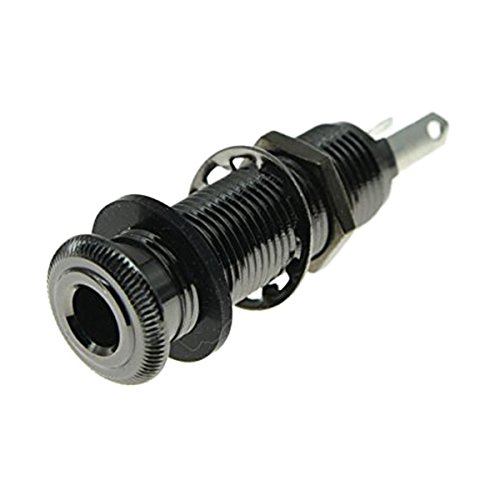
Product overview: KAISH’s stereo copper 1/4″ barrel jack features four pins and a robust copper construction. It is designed for flexible wiring configurations and works with standard 1/4″ jacks for guitars and basses.
Who it suits: Well-suited for DIY electronics projects or replacements in projects requiring stereo or mono options and a secure, durable connection.
Why chosen: The copper construction emphasizes conductivity and longevity, which is valuable for long-term signal integrity.
Caution/limitation: Ensure you’re wiring to the proper pin configuration for mono versus stereo use, as the four-pin arrangement supports multiple wiring schemes.
KAISH 6.35mm Brass Mono Barrel Jack – 3 Pins

Product overview: This KAISH mono barrel jack uses brass construction and a three-pin wiring design. It fits standard 6.35mm jacks and emphasizes ease of soldering and durable connections.
Who it suits: Suitable for players or technicians performing straightforward mono connections in bass or electric guitar setups, especially when ease of soldering is a priority.
Why chosen: Brass offers reliable conductivity and corrosion resistance, making it a solid, budget-friendly upgrade for output jacks.
Caution/limitation: The three-pin layout requires correct identification of hot, ground, and return connections to avoid miswiring a signal path.
Exircy 6.35mm Brass Mono Jack – 3 Pins

Product overview: This Exircy jack is a brass mono socket designed for 1/4″ jacks with three pins. It emphasizes durability and stable contact in electric guitars and basses.
Who it suits: Best for players seeking a simple, sturdy mono jack with robust brass construction and a compact footprint.
Why chosen: Brass construction supports consistent high-quality signal transmission and long-term reliability in performance environments.
Caution/limitation: As with other three-pin designs, correct pin orientation is essential to ensure proper ground and signal paths.
Xthrotsenk 6.35mm Mono Barrel Jack – 3 Pins

Product overview: This jack is a 6.35mm mono barrel with three pins and a durable brass body. It’s designed to fit standard instrument cables and provide solid performance in guitars and basses.
Who it suits: Ideal for players or technicians building or repairing 1/4″ instrument outputs, especially where a compact, durable mono jack is needed.
Why chosen: The combination of brass construction and a compact three-pin layout supports reliable, easy wiring and lasting use.
Caution/limitation: Check compatibility with your instrument’s cavity depth and ensure proper isolation to minimize noise.
Buying Guide
What should I consider before buying a bass guitar input jack?
Compatibility: Confirm the jack size (1/4″ / 6.35mm) and mounting hole dimensions match your guitar or bass cavity. Some require mounting hardware or specific hole diameters.
Construction material: Brass and copper jacks offer better conductivity and durability. Brass body jacks often provide reliable performance at a reasonable price.
Wiring configuration: Jacks come in mono or stereo variants with different pin counts. For most bass and electric guitar applications, mono with 2 or 3 pins is common. Four-pin designs support more complex wiring schemes, including balanced or stereo paths.
Grounding design: Dual grounding and ground contact design can reduce noise. Look for jacks advertised with multiple ground contacts or robust contact springs.
Installation ease: Long bushings, clear pin labeling, and included mounting hardware simplify installation and reduce wiring mistakes.
How to choose between brands and designs?
Brand reputation matters for durability and compatibility. Switchcraft is a long-standing standard for many players and technicians. KAISH offers versatile, multi-pin options for custom wiring. Generic and Exircy-style parts can provide cost-effective replacements, but verify build quality and fit.
What are common pitfalls to avoid?
Avoid jacks that don’t fit your cavity or require non-standard mounting methods. Mis-wired jacks can cause hum, noise, or signal loss. Always verify pin identification and wire accordingly before final assembly.
FAQ
- What is a full-contact output jack? A jack designed to make continuous, reliable contact with the plug, reducing resistance and signal drop at the connection.
- Do I need stereo or mono for my bass? Most bass guitars use mono jacks, but some setups with balanced or active electronics may benefit from stereo or multi-pin configurations.
- How do I choose the right mounting hole size? Measure the cavity’s hole diameter where the jack will mount and match it to the jack’s specified hole size (e.g., 3/8″ or standard sizes).
- Are brass jacks better than aluminum? Brass generally offers better conductivity and durability for signal transmission, with good corrosion resistance.
- Can I replace a jack without soldering? Some jacks are designed for simple plug-in replacement, but most require soldering or crimping for a secure, lasting connection.
- Will these jacks reduce hum? Yes, models featuring dual grounding and solid contact points can help minimize unwanted noise when properly installed.