
Best Behind-the-Head Bluetooth Headphones for Open-Ear Comfort
Looking for behind-the-head Bluetooth headphones that keep your ears open and your awareness intact? This guide spotlights open-ear and bone-conduction options ideal for workouts, commuting, and daily use. The top picks below are best for athletes who want breathable wear, hikers who value situational awareness, and casual listeners seeking all-day comfort. Each product is assessed for fit, durability, and audio clarity, with practical notes on when to choose or avoid. A quick buyer’s table follows to compare core strengths at a glance.
| Product | Best For | Key Benefit |
|---|---|---|
| Cevinily Superior Sound Bone Conduction Headphones | Sports & Outdoors | Open-ear design with IPX5 protection |
| RTUSIA Small Bluetooth Headphones Wrap Around Head (Black) | Minimalist On-The-Go | Over-ear fit, lightweight, easy pocketing |
| RTUSIA Small Bluetooth Headphones Wrap Around Head (Blue) | Minimalist On-The-Go | Same design, distinct color option |
| Ortizan Open Ear Headphones (Black) | Active Training | Air conduction with open-ear comfort |
| Bayhanc Bone Conduction Headphones | Long Sessions | 10+ hours battery for extended use |
Cevinily Superior Sound Bone Conduction Headphones

Best for athletes who want open-ear awareness and a secure light frame. The bone conduction setup channels audio through cheekbones, keeping ears free. Built with a flexible titanium neckband, these headphones sit snugly without squeezing, reducing long-wear fatigue. Open-ear design helps you hear surroundings during running, cycling, or commuting.
Why this pick: The combination of bone conduction technology, ultra-light construction, and IPX5 waterproofing suits outdoor workouts and travel. The built-in microphone supports hands-free calls, and Bluetooth 5.4 ensures faster pairing and stable connections. A practical choice for those sensitive to pressure from traditional earbuds.
Caution: As with many bone conduction devices, bass may be less pronounced than in-ears, and some users may need a brief acclimation period for the open-ear sound profile.
RTUSIA Small Bluetooth Headphones Wrap Around Head (Black)
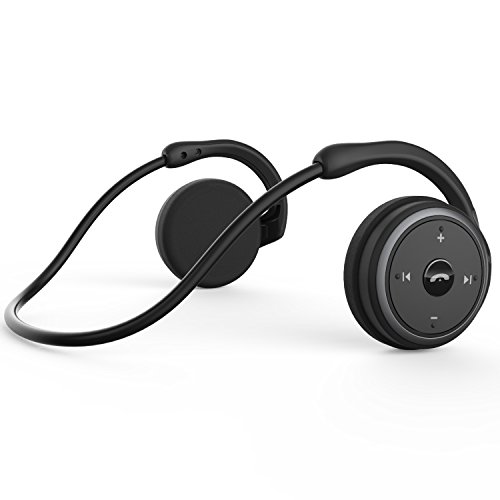
Best for listeners who dislike in-ear buds and wear glasses. This wrap-around design sits behind the head with comfortable over-ear ergonomics, making it stable during runs or gym workouts. The four-control hardware supports hands-free calls and music navigation, helping users stay connected on the move.
Why this pick: Lightweight and compact, it travels easily in a purse or pocket. The open-ear approach reduces ear fatigue and keeps you aware of surrounding sounds, which can be safer during outdoor activities.
Caution: The over-ear design may fit differently on larger heads; consider trying both black and blue variants for fit preference.
RTUSIA Small Bluetooth Headphones Wrap Around Head (Blue)
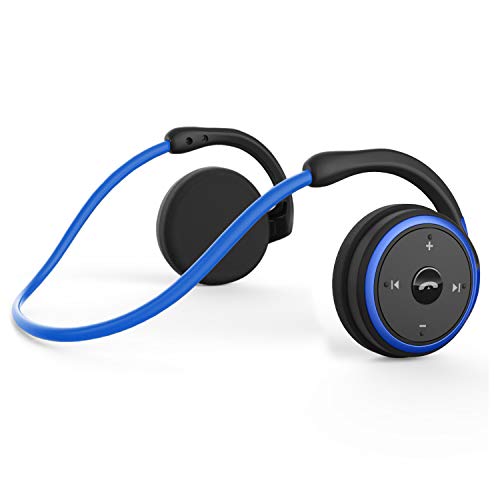
Best for color-coded preference and uniform fit. This Blue variant shares the same wrap-around, lightweight design and hands-free calling features as the black model. It remains a strong choice for runners who want consistent fit and easy transport.
Why this pick: The same four-button control layout aids on-the-go operation, and the overall design helps avoid ear canal fatigue while providing reliable stereo calls for daily commutes.
Caution: Color choice is cosmetic; fit and performance align with the Black variant—check head shape compatibility if needed.
Ortizan Open Ear Headphones

Best for active training with directional air-conduction sound. The open-ear design avoids canal pressure and uses 14.2 mm dynamic drivers to deliver immersive audio while maintaining situational awareness. IPX6 waterproofing supports sweaty workouts and light rain sessions.
Why this pick: Open-air sound with a lightweight build makes it suitable for long runs and cycling commutes. The wear feels natural during high-movement sessions, and the waterproof rating adds durability in outdoor conditions.
Caution: Some users may notice higher external sound leakage with the air-conduction approach; ensure this suits your listening environment.
Bayhanc Bone Conduction Headphones

Best for long listening sessions with extended battery life. These bone-conduction headphones emphasize comfort and all-day wear with a stated 10+ hours of playback on a full charge. The open-ear design supports continued environmental awareness during workouts and daily use.
Why this pick: The larger battery capacity makes it a practical option for multi-activity days, travel, or commutes without frequent recharging.
Caution: Battery life claims are device-rated; actual playback time can vary with volume and connectivity conditions.
Buying Guide
- Open-Ear vs. Bone Conduction: Open-ear headphones sit around or over the ear and may feel lighter, while bone conduction transmits sound through the cheekbones. Choose based on comfort preference and need for ambient awareness during activities.
- Fit And Stability: Behind-the-head designs require a secure stay-around fit. Consider neckband flexibility and weight when choosing for running or cycling.
- Waterproof and Sweat Resistance: IP ratings (IPX5, IPX6) matter for workouts and weather. Higher ratings protect against sweat and rain during intense sessions.
- Battery Life and Charging: Battery endurance impacts daily use. Look for fast charging options if you tend to recharge during short breaks.
- Call Quality And Microphone: Built-in mics influence hands-free calling. Consider background noise handling and mic placement for your typical environment.
- Sound Profile: Bone conduction often emphasizes mids and highs with less bass than conventional headphones. If bass is a priority, test or compare models with different tuning.
- Portability: If you travel light, choose compact, foldable or easily pocketable designs with minimal ear coverage.
Frequently Asked Questions
- Are behind-the-head Bluetooth headphones better for workouts? They can be more stable for movement and reduce ear fatigue, while keeping ears open to ambient sounds for safety.
- Do bone conduction headphones provide good bass? Bone conduction can offer clear mids and highs; bass is often less pronounced than in-ear or over-ear headphones.
- Will these work with all phones? Most use standard Bluetooth protocols (e.g., Bluetooth 5.3/5.4) and should pair with modern smartphones, tablets, and laptops.
- Is water resistance necessary for open-ear devices? For workouts and outdoor use, IP ratings help protect against sweat and rain, improving durability.
- How long do these last between charges? Battery life depends on model, usage, and volume. Expect several hours of playback in typical use; high volumes drain faster.
- Can I wear glasses with these? Several models are designed to accommodate glasses, but fit may vary; check product notes for comfort with eyewear.